Kirjojen hintavertailu. Mukana 12 390 323 kirjaa ja 12 kauppaa.

Kirjailija

Mark Stephen Jendrysik

Kirjat ja teokset yhdessä paikassa: 6 kirjaa, julkaisuja vuosilta 2002-2020, suosituimpien joukossa Modern Jeremiahs. Vertaile teosten hintoja ja tarkista saatavuus suomalaisista kirjakaupoista.

6 kirjaa

Kirjojen julkaisuhaarukka 2002-2020.

Modern Jeremiahs

Modern Jeremiahs

Mark Stephen Jendrysik

Lexington Books
2008
nidottu
One of the most enduring themes in American political discourse is the idea of decline. Since the very beginnings of the European settlement of North America there have been voices pointing to an inevitable regression of the people from the standards set by heroic ancestors. This discourse of decay has often taken the form of the jeremiad in which public intellectuals, pundits, and politicians point to the causes of decline and call for a return to older and nobler standards of conduct. The Jeremiad has seen a revival in the last 25 years. Jendrysik traces the history of this form of political discourse from its modern reinvention by Allan Bloom to its current uses by such figures as Bill O'Reilly and Hillary Clinton.
Utopia

Utopia

Mark Stephen Jendrysik

Polity Press
2020
sidottu
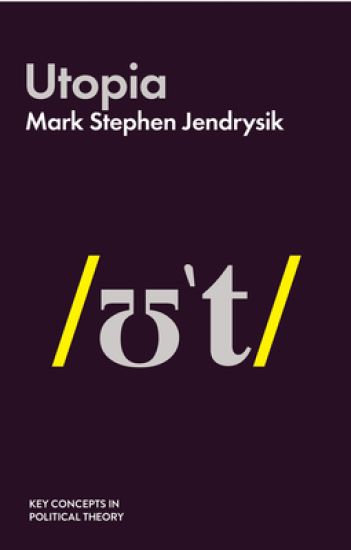
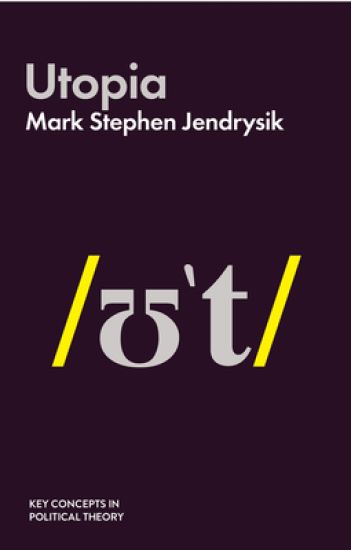
Human beings universally dream of a better world. For centuries they have expressed their yearning for ways of life that are free from oppression, want and fear, through philosophy, art, film and literature. In this concise and engaging book, Mark Jendrysik examines the multifarious ways utopians have posed the question of how human beings might establish justice and realize truly human values. Drawing upon a range of sources, from Plato’s Republic and Thomas More’s Utopia to Ursula Le Guin’s The Dispossessed, he argues that, though for many utopia means ‘demanding the impossible’, the goals that seemed out of reach for one generation are often realized in the next. Nonetheless, he shows that, while utopian thought points toward our most noble aspirations, it also illustrates the dangers of totalitarianism, of the surveillance state and of global climate change. This engaging book will be an invaluable guide for anyone seeking to understand how, for good or ill, utopian aspirations shape our lives, even in times that seem designed to close off dreams of a better world.
Utopia

Utopia

Mark Stephen Jendrysik

Polity Press
2020
nidottu
Human beings universally dream of a better world. For centuries they have expressed their yearning for ways of life that are free from oppression, want and fear, through philosophy, art, film and literature. In this concise and engaging book, Mark Jendrysik examines the multifarious ways utopians have posed the question of how human beings might establish justice and realize truly human values. Drawing upon a range of sources, from Plato’s Republic and Thomas More’s Utopia to Ursula Le Guin’s The Dispossessed, he argues that, though for many utopia means ‘demanding the impossible’, the goals that seemed out of reach for one generation are often realized in the next. Nonetheless, he shows that, while utopian thought points toward our most noble aspirations, it also illustrates the dangers of totalitarianism, of the surveillance state and of global climate change. This engaging book will be an invaluable guide for anyone seeking to understand how, for good or ill, utopian aspirations shape our lives, even in times that seem designed to close off dreams of a better world.
Modern Jeremiahs

Modern Jeremiahs

Mark Stephen Jendrysik

Lexington Books
2008
sidottu
One of the most enduring themes in American political discourse is the idea of decline. Since the very beginnings of the European settlement of North America there have been voices pointing to an inevitable regression of the people from the standards set by heroic ancestors. This discourse of decay has often taken the form of the jeremiad in which public intellectuals, pundits, and politicians point to the causes of decline and call for a return to older and nobler standards of conduct. The Jeremiad has seen a revival in the last 25 years. Jendrysik traces the history of this form of political discourse from its modern reinvention by Allan Bloom to its current uses by such figures as Bill O'Reilly and Hillary Clinton.
Explaining the English Revolution

Explaining the English Revolution

Mark Stephen Jendrysik

Lexington Books
2007
nidottu
As we search for greater understanding of the origins of liberalism, religious toleration, and modern democratic thought, Mark Jendrysik's timely work examines the political and religious ideals that buttressed the first 'modern' revolution. Explaining the English Revolution studies the years 1649 to 1653, from regicide to the establishment of the Cromwellian Commonwealth, during which time English writers 'took stock' of a disordered England stripped of the traditional ideas of political, moral, and social order and considered the possibilities for a politically and religiously reordered state. Jendrysik provides_through a rich comparative analysis of the work of Thomas Hobbes and his contemporaries Filmer, Winstanley, Cromwell, and Milton_a new understanding of the Civil War-era intelligentsia's assessment of the crisis in the body politic and their varied prescriptions and plans for a new post-revolutionary England.
Explaining the English Revolution

Explaining the English Revolution

Mark Stephen Jendrysik

Lexington Books
2002
sidottu
As we search for greater understanding of the origins of liberalism, religious toleration, and modern democratic thought, Mark Jendrysik's timely work examines the political and religious ideals that buttressed the first 'modern' revolution. Explaining the English Revolution studies the years 1649 to 1653, from regicide to the establishment of the Cromwellian Commonwealth, during which time English writers "took stock" of a disordered England stripped of the traditional ideas of political, moral, and social order and considered the possibilities for a politically and religiously reordered state. Jendrysik provides—through a rich comparative analysis of the work of Thomas Hobbes and his contemporaries Filmer, Winstanley, Cromwell, and Milton—a new understanding of the Civil War-era intelligentsia's assessment of the crisis in the body politic and their varied prescriptions and plans for a new post-revolutionary England.