Kirjojen hintavertailu. Mukana 12 595 353 kirjaa ja 12 kauppaa.

Kirjailija

Martha H. Patterson

Kirjat ja teokset yhdessä paikassa: 5 kirjaa, julkaisuja vuosilta 2005-2025, suosituimpien joukossa The Harlem Renaissance Weekly. Vertaile teosten hintoja ja tarkista saatavuus suomalaisista kirjakaupoista.

5 kirjaa

Kirjojen julkaisuhaarukka 2005-2025.

The Harlem Renaissance Weekly

The Harlem Renaissance Weekly

Martha H. Patterson

Cambridge University Press
2025
sidottu
Martha H. Patterson's The Harlem Renaissance Weekly offers a groundbreaking study of the Black literary renaissance that appeared in weekly Black newspapers in the 1920s. In her richly contexualized readings, she uncovers a popular Harlem Renaissance deeply committed to political and social issues: the fight against lynching, segregation, and anti-miscegenation laws and to the challenges posed by urban vice, infidelity, and family separation during the Great Migration. Through mostly romantic plots, Black newspaper fiction writers emphasized that the cabaret and church, white and black race leader, flapper and race mother could be bridged on behalf of racial well-being and civil rights justice. As the Ku Klux Klan grew increasingly powerful, this fiction offered readers not only entertainment, but also cautionary advice, political hope, and weekly affirmation of their full humanity. With a foreword by Henry Louis Gates, Jr., this powerful study revises understanding of an important dimension of the Harlem Renaissance.
The New Negro

The New Negro

Martha H. Patterson; Henry Louis Gates

PRINCETON UNIVERSITY PRESS
2025
pokkari
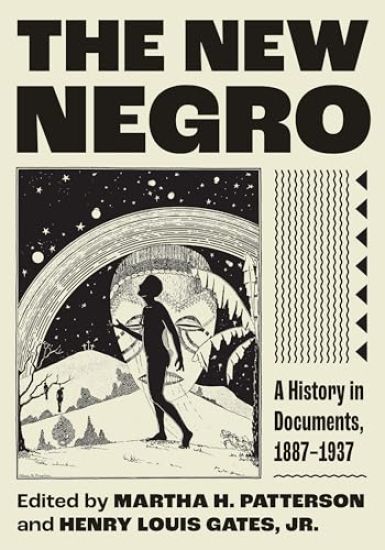
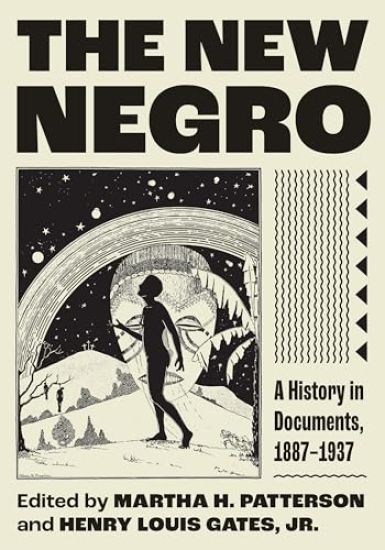
An authoritative anthology tracing the history of one of the most important concepts Black people drew on to challenge the brutal, totalizing system of Jim Crow racismThis book brings together a wealth of readings on the metaphor of the “New Negro,” charting how generations of thinkers debated its meaning and seized on its potency to stake out an astonishingly broad and sometimes contradictory range of ideological positions. It features dozens of newly unearthed pieces by major figures such as W. E. B. Du Bois, Charles S. Johnson, and Drusilla Dunjee Houston as well as writings from Cuba, the US Virgin Islands, Dominica, France, Sierra Leone, South Africa, colonial Zimbabwe, and the United States. Demonstrating how this evocative and supremely protean concept predates its popularization in Alain Locke’s 1925 anthology of the same name, The New Negro takes readers from its beginnings as a response to Henry Grady’s famous “New South” address in 1886 through the Harlem Renaissance and the New Deal.Opening a fascinating window into a largely unexplored chapter in African American, Afro-Latin American, and African intellectual history, this groundbreaking anthology includes writings by Gwendolyn Bennett, Marita Bonner, John Edward Bruce (“Bruce Grit”), Nannie Helen Burroughs, Charles W. Chesnutt, James Bertram Clarke (“José Clarana,” “Jaime Gil”), Anna Julia Cooper, Alexander Crummell, Countee Cullen, Alice Dunbar-Nelson, Marcus Garvey, Hubert Harrison, Langston Hughes, Zora Neale Hurston, D. Hamilton Jackson, Fenton Johnson, Claude McKay, Oscar Micheaux, Jeanne “Jane” Nardal, Jean Toomer, Gustavo Urrutia, Booker T. Washington, Dorothy West, Ruth Whitehead Whaley, Fannie Barrier Williams, Carter G. Woodson, and a host of others.
The New Negro

The New Negro

Martha H. Patterson; Henry Louis Gates

PRINCETON UNIVERSITY PRESS
2025
sidottu
An authoritative anthology tracing the history of one of the most important concepts Black people drew on to challenge the brutal, totalizing system of Jim Crow racismThis book brings together a wealth of readings on the metaphor of the “New Negro,” charting how generations of thinkers debated its meaning and seized on its potency to stake out an astonishingly broad and sometimes contradictory range of ideological positions. It features dozens of newly unearthed pieces by major figures such as W. E. B. Du Bois, Charles S. Johnson, and Drusilla Dunjee Houston as well as writings from Cuba, the US Virgin Islands, Dominica, France, Sierra Leone, South Africa, colonial Zimbabwe, and the United States. Demonstrating how this evocative and supremely protean concept predates its popularization in Alain Locke’s 1925 anthology of the same name, The New Negro takes readers from its beginnings as a response to Henry Grady’s famous “New South” address in 1886 through the Harlem Renaissance and the New Deal.Opening a fascinating window into a largely unexplored chapter in African American, Afro-Latin American, and African intellectual history, this groundbreaking anthology includes writings by Gwendolyn Bennett, Marita Bonner, John Edward Bruce (“Bruce Grit”), Nannie Helen Burroughs, Charles W. Chesnutt, James Bertram Clarke (“José Clarana,” “Jaime Gil”), Anna Julia Cooper, Alexander Crummell, Countee Cullen, Alice Dunbar-Nelson, Marcus Garvey, Hubert Harrison, Langston Hughes, Zora Neale Hurston, D. Hamilton Jackson, Fenton Johnson, Claude McKay, Oscar Micheaux, Jeanne “Jane” Nardal, Jean Toomer, Gustavo Urrutia, Booker T. Washington, Dorothy West, Ruth Whitehead Whaley, Fannie Barrier Williams, Carter G. Woodson, and a host of others.
Beyond the Gibson Girl

Beyond the Gibson Girl

Martha H. Patterson

University of Illinois Press
2008
nidottu
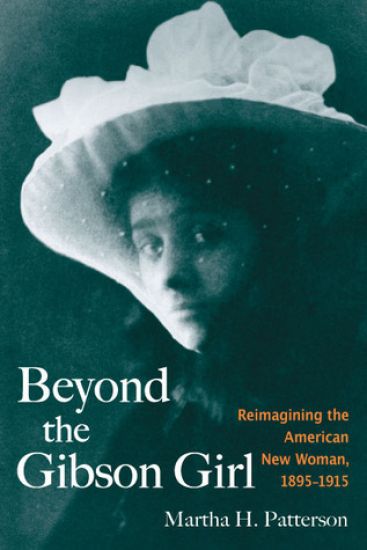
Challenging monolithic images of the New Woman as white, well-educated, and politically progressive, this study focuses on important regional, ethnic, and sociopolitical differences in the use of the New Woman trope at the turn of the twentieth century. Using Charles Dana Gibson's "Gibson Girls" as a point of departure, Martha H. Patterson explores how writers such as Pauline Hopkins, Margaret Murray Washington, Sui Sin Far, Mary Johnston, Edith Wharton, Ellen Glasgow, and Willa Cather challenged and redeployed the New Woman image in light of other "new" conceptions: the "New Negro Woman," the "New Ethics," the "New South," and the "New China." As she appears in these writers' works, the New Woman both promises and threatens to effect sociopolitical change as a consumer, an instigator of evolutionary and economic development, and (for writers of color) an icon of successful assimilation into dominant Anglo-American culture. Examining a diverse array of cultural products, Patterson shows how the seemingly celebratory term of the New Woman becomes a trope not only of progressive reform, consumer power, transgressive femininity, modern energy, and modern cure, but also of racial and ethnic taxonomies, social Darwinist struggle, imperialist ambition, assimilationist pressures, and modern decay.
Beyond the Gibson Girl

Beyond the Gibson Girl

Martha H. Patterson

University of Illinois Press
2005
sidottu
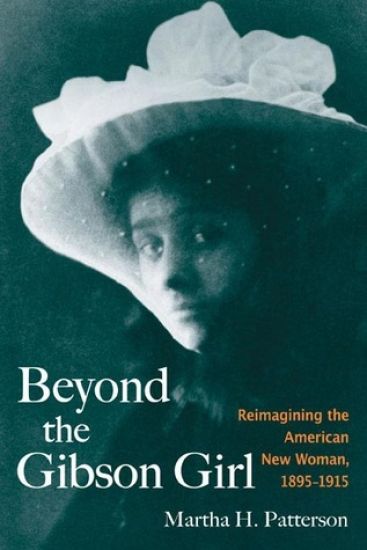
Challenging monolithic images of the New Woman as white, well-educated, and politically progressive, this study focuses on important regional, ethnic, and sociopolitical differences in the use of the New Woman trope at the turn of the twentieth century. Using Charles Dana Gibson's "Gibson Girls" as a point of departure, Martha H. Patterson explores how writers such as Pauline Hopkins, Margaret Murray Washington, Sui Sin Far, Mary Johnston, Edith Wharton, Ellen Glasgow, and Willa Cather challenged and redeployed the New Woman image in light of other "new" conceptions: the "New Negro Woman," the "New Ethics," the "New South," and the "New China." As she appears in these writers' works, the New Woman both promises and threatens to effect sociopolitical change as a consumer, an instigator of evolutionary and economic development, and (for writers of color) an icon of successful assimilation into dominant Anglo-American culture. Examining a diverse array of cultural products, Patterson shows how the seemingly celebratory term of the New Woman becomes a trope not only of progressive reform, consumer power, transgressive femininity, modern energy, and modern cure, but also of racial and ethnic taxonomies, social Darwinist struggle, imperialist ambition, assimilationist pressures, and modern decay.