Kirjojen hintavertailu. Mukana 12 166 055 kirjaa ja 12 kauppaa.

Kirjailija

Martin Bechthold

Kirjat ja teokset yhdessä paikassa: 6 kirjaa, julkaisuja vuosilta 2008-2015, suosituimpien joukossa Structures. Vertaile teosten hintoja ja tarkista saatavuus suomalaisista kirjakaupoista.

6 kirjaa

Kirjojen julkaisuhaarukka 2008-2015.

Keramische Bausysteme

Keramische Bausysteme

Martin Bechthold; Anthony Kane; Nathan King

Birkhauser
2015
sidottu
Jenseits der dekorativen Keramikfliesen hat sich eine reiche Kultur von teils experimentellen, teils marktgängigen Anwendungen keramischer Baumaterialien entwickelt: Aktuelle Errungenschaften aus Materialforschung, Fertigungstechnologie und digitalen Entwurfsmethoden sind für dieses traditionelle Material verfügbar, dessen historische Bedeutung in seiner faszinierenden Ausstrahlung präsent ist.Multifunktionale, hoch performative Produkte werden hier als ganzheitliches “Ökosystem” von der Materialgewinnung und Produktgestaltung über den Entwurfsprozess und die konstruktive Umsetzung bis hin zur Wiederverwendung dargestellt. Besonderes Augenmerk liegt auf der individuellen Zurichtung der Einzelelemente unter gleichzeitiger Massenfertigung und computergesteuerter Montage, wie sie heute immer wichtiger wird.Zahlreiche Beispiele, darunter aus dem deutschsprachigen Raum das Museum Brandhorst, das Museum der Kulturen Basel, das Jüdische Gemeindezentrum in Mainz und die Hamburger Behörde für Stadtentwicklung und Umwelt, machen die führende europäische Rolle auf diesem Gebiet anschaulich. Im Anhang: ein kommentiertes Produktverzeichnis.
Ceramic Material Systems

Ceramic Material Systems

Martin Bechthold; Anthony Kane; Nathan King

Birkhauser
2015
sidottu
Far beyond its long-standing decorative and protective use, architectural ceramics has matured into a material system of great potential. Triggered by material research, design computation and digital fabrication methods, the innovations in ceramic technology are enabling expanded applications for ceramics as a multi-functional, performative material system.Ceramic material systems comprise the full ecosystem from material extraction and processing to the assembly of construction elements and their eventual reuse and recycling. This book establishes the state of the art of this quickly emerging field, with a particular interest in presenting the knowledge needed for developing project-specific solutions that often involve custom ceramic elements. The authors provide a rigorous background of the materials and associated technologies as well as inspiration from the very best contemporary buildings using ceramic systems, along with an overview of emerging ceramic technologies and research.The main section of the book is supplemented with a descriptive and critically commented listing of the most interesting and innovative ceramic products on the market today, ranging from interior tile products to complex active façade systems and roof products.
Structures

Structures

Daniel Schodek; Martin Bechthold

Pearson
2013
sidottu
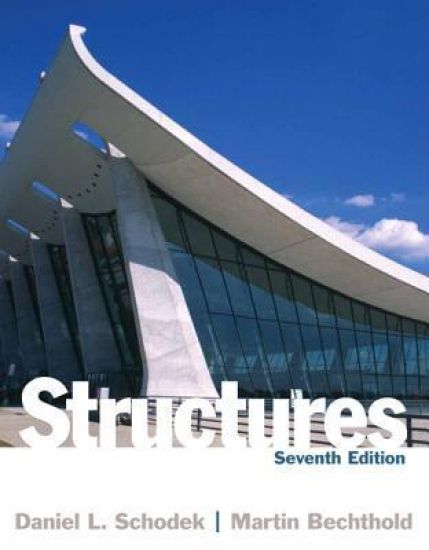
Structures, Seventh Edition, offers single-volume coverage of all major topics in structural analysis and design. Focusing on how structures really work, the text discusses concepts from both engineering and architectural perspectives, exploring structural behavior, structural analysis, and design within a building context.
Innovative Surface Structures

Innovative Surface Structures

Martin Bechthold

Taylor Francis Ltd
2008
sidottu
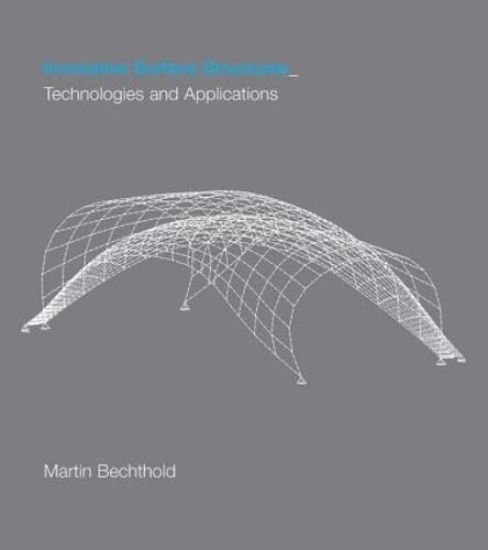
The book focuses on the recent innovations in computational techniques, material and digital fabrication technology that are revolutionizing the design, analysis and construction of surface structures. Powerful analysis tools now enable the accurate prediction of structural behaviour and manufacturing processes. Material innovations in the area of cementitious and other composites, glass, or smart materials, to just name a few, are challenging architects to find appropriate forms and applications. Digitally supported fabrication technology has taken a quantum leap since the time of the master shell builders 40 years ago, unfolding new potential to realize complex structural shapes in new and innovative ways. These innovations are presented in the context of an in-depth introduction to the fundamentals of surface structures providing the necessary knowledge for the successful design of shells and tensile systems in a broad variety of materials. Many of the principles are demonstrated using new material of some of the masterpieces in surface architecture.The book is structured into three parts. The first part familiarizes the reader with the topic of surface structures. It provides a historic overview and explains the underlying structural principles and traditional construction techniques. Part II introduces design methods, emphasizing recent developments in computational design and analysis that have greatly facilitated the design and construction of surface structures. Part III presents case studies demonstrating use of innovative and emerging materials.
Innovative Surface Structures

Innovative Surface Structures

Martin Bechthold

Taylor Francis Ltd
2008
nidottu
The book focuses on the recent innovations in computational techniques, material and digital fabrication technology that are revolutionizing the design, analysis and construction of surface structures. Powerful analysis tools now enable the accurate prediction of structural behaviour and manufacturing processes. Material innovations in the area of cementitious and other composites, glass, or smart materials, to just name a few, are challenging architects to find appropriate forms and applications. Digitally supported fabrication technology has taken a quantum leap since the time of the master shell builders 40 years ago, unfolding new potential to realize complex structural shapes in new and innovative ways. These innovations are presented in the context of an in-depth introduction to the fundamentals of surface structures providing the necessary knowledge for the successful design of shells and tensile systems in a broad variety of materials. Many of the principles are demonstrated using new material of some of the masterpieces in surface architecture.The book is structured into three parts. The first part familiarizes the reader with the topic of surface structures. It provides a historic overview and explains the underlying structural principles and traditional construction techniques. Part II introduces design methods, emphasizing recent developments in computational design and analysis that have greatly facilitated the design and construction of surface structures. Part III presents case studies demonstrating use of innovative and emerging materials.