Kirjailija
Martin Marix Evans
Kirjat ja teokset yhdessä paikassa: 16 kirjaa, julkaisuja vuosilta 1992-2017, suosituimpien joukossa D-Day and the Battle of Normandy - Italian. Vertaile teosten hintoja ja tarkista saatavuus suomalaisista kirjakaupoista.
Mukana myös kirjoitusasut: Martin Marix-Evans
16 kirjaa
Kirjojen julkaisuhaarukka 1992-2017.
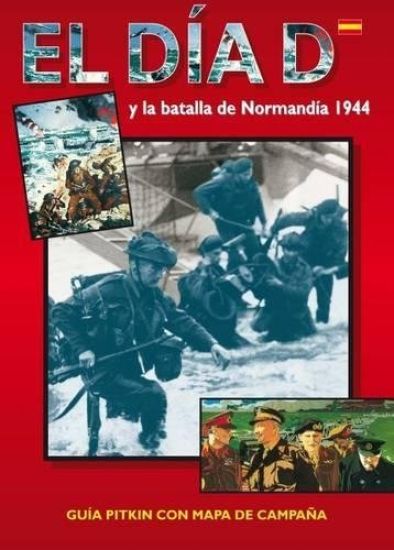
On 6 June the greatest landing force ever assembled began the Allied Liberation of France and Europe. In this Spanish translation of the Pitkin Guide, enhanced with many contemporary photographs and maps, visitors and veterans can visit the beaches, landmarks, museums and cemeteries of Normandy. Look out for more Pitkin Guides on the very best of British history, heritage and travel.
On 6 June the greatest landing force ever assembled began the Allied Liberation of France and Europe. In this Italian translation of the Pitkin Guide, enhanced with many contemporary photographs and maps, visitors and veterans can visit the beaches, landmarks, museums and cemeteries of Normandy. Look out for more Pitkin Guides on the very best of British history, heritage and travel.
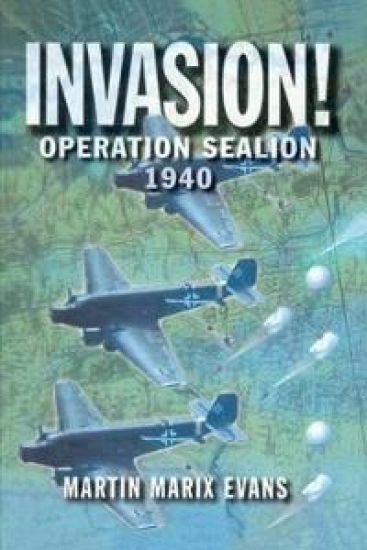
This terrifying alternative reality is actually based on historical facts. The book follows the real course of events up to1 September, including the planning in Britain and Germany, and the aerial war. The fictional story then supposes that the Germans halted their advance in France along the Seine and the Aisne after the fall of Paris and that Marshal Petain conceded an armistice at that point. The Panzer divisions are thus able to rest and re-equip in northern France…A brilliant blend of meticulous research and imagination, this book is bound to appeal to anyone with an interest in the causes and effects of historical events, and indeed to anyone interested in world war history itself.
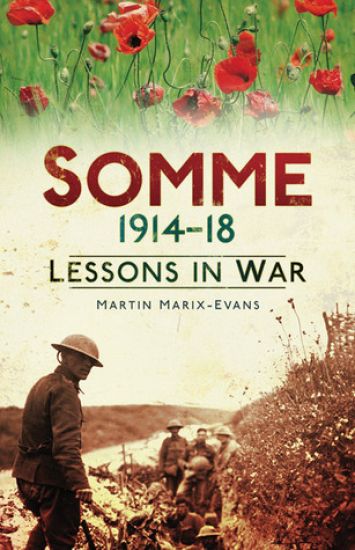
The Somme is a name with particular resonance for the people of Britain, for here, in 1916, the flower of her youth was cut down. Terrible though that day was, it takes its place in a wider story: the long, painful process of learning how to fight a new kind of war. From the war movement of 1914, when the French fought on the fields of the Somme, the conflict evolved to massive frontal assaults by the British and Allied troops in 1916. Here the first tank was first used in September 1916. Increasing sophistication in the terrifying use of artillery by the Germans broke the Allied lines in March 1918. Allied use of this same technology was then combined with other arms to create the fighting complex that inflicted the ‘Black Day’ on the German army in August and smashed the Hindenberg Line in September. Thus the British, Australian, Canadian, American and French forces defeated the German Army in the field at last. This book reveals how the Somme was the bloody classroom in which this new art of war was studied and it tells the story of the men who paid the price for this knowledge with their own blood.
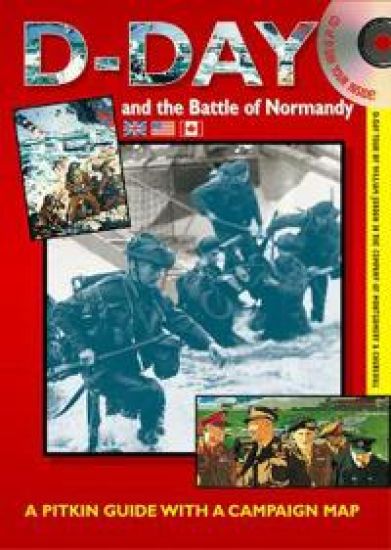
On 6 June the greatest landing force ever assembled began the Allied Liberation of France and Europe. In this classic Pitkin Guide, enhanced with many contemporary photographs and maps, visitors and veterans can visit the beaches, landmarks, museums and cemeteries of Normandy. This edition includes a CD of Mongomery and Churchill. Look out for more Pitkin Guides on the very best of British history, heritage and travel.
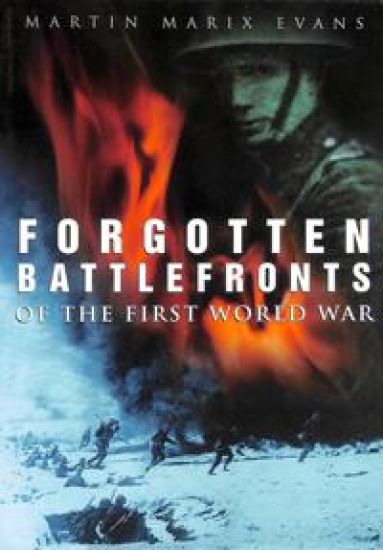
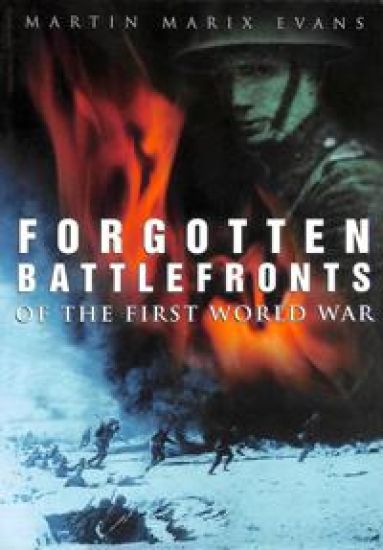
The struggle between Germany and the Allies along the Western Front is for many the most familiar element of World War I. However, many less well-known theatres of conflict, key to the overall progress and conduct of the war, hold as much relevance to both the traveller and the armchair enthusiast. In this work, the author sheds light on the fighting methods of the protagonists in less familiar settings, whether in the Italian Alps or in the cloying heat of the Greek coast.In the first weeks of fighting, stubborn Belgian resistance resulted in a desperate battle to stabilise the front and compelled the German advance to be diverted against the British at Ypres. French determination to win back Alsace-Lorraine plunged the Vosges region into fluid conflict for over a year from August 1914 before both sides realised the impossibility of a decisive success in this area. The three-year struggle between Italy and Austria across the alpine passes was to draw German, British and French forces into the region. Anglo-French assistance to the Serbs through Salonika produced a standoff between the Allies and the Central Powers which was only to be resolved in the last months of the war.
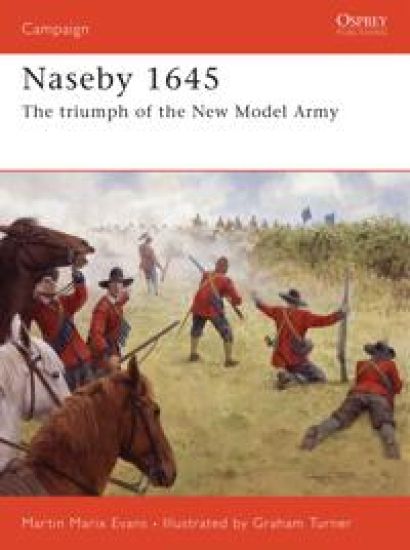
On the pivotal day of 14 June 1645 Charles I's Royalist Army and Parliament's New Model Army made battle at Naseby. Using first-hand accounts, Martin Marix Evans introduces the origins of the campaign, explores the strengths and weaknesses of the opposing armies, and vividly describes the engagement. The traditional condemnation of Prince Rupert's military strategy is undermined, and the significance of Okey's Dragoons in precipitating the action explained. He imparts his intimate knowledge of the terrain so crucial to the New Model Army's frontage, and uses archaeological and documentary evidence to piece together a remarkable blow-by-blow account of this devastating battle.
The struggle between Germany and the Allies along the Western Front is for many the most familiar element of World War I. However, many less well-known theatres of conflict, key to the overall progress and conduct of the war, hold as much relevance to both the traveller and the armchair enthusiast. In this work, the author sheds light on the fighting methods of the protagonists in less familiar settings, whether in the Italian Alps or in the cloying heat of the Greek coast.In the first weeks of fighting, stubborn Belgian resistance resulted in a desperate battle to stabilise the front and compelled the German advance to be diverted against the British at Ypres. French determination to win back Alsace-Lorraine plunged the Vosges region into fluid conflict for over a year from August 1914 before both sides realised the impossibility of a decisive success in this area. The three-year struggle between Italy and Austria across the alpine passes was to draw German, British and French forces into the region. Anglo-French assistance to the Serbs through Salonika produced a standoff between the Allies and the Central Powers which was only to be resolved in the last months of the war.
The only comprehensive encyclopedia on the Boer War available, this volume offers A–Z entries on the war's origins, military strategy and tactics, main battles and sieges, major political and military figures, weaponry, and other related topics.Comprehensive introductionMapsChronology, bibliography, and illustrations
Around Rhondda Fawr
Suzanne E. Evans; Martin Marix-Evans; Elaine Hawkins
NPI Media Group
1999
nidottu
This book is part of the Images of Wales series, which uses old photographs and archived images to show the history of various local areas in Wales, through their streets, shops, pubs, and people.
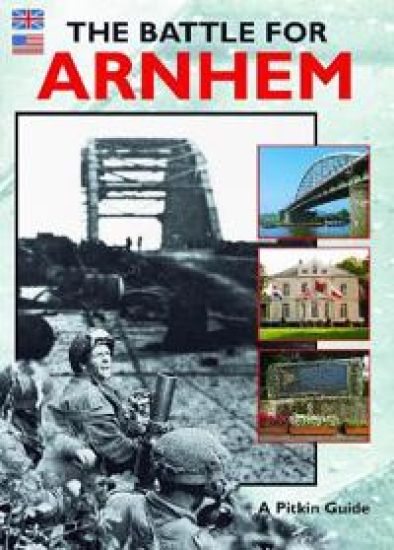
On 17 September 1944, during Operation Market Garden, the British Airborne Division was parachuted into the Netherlands to secure the bridge at Arnhem. This work presents an account of the part that UK and US troops played in their fight against German soldiers stationed in and around the city, in the Battle for Arnhem which ended on 25 September. Look out for more Pitkin Guides on the very best of British history, heritage and travel.
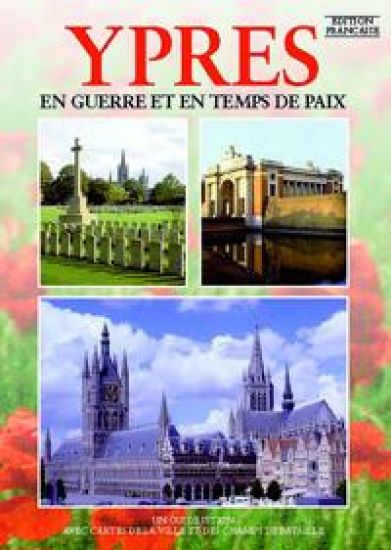
There are more languages available for this title: English, FlemishFor many, the name of Ypres invokes some of our most poignant poetry, written by soldiers at the front line. Reminders of the horrors and heroism of a terrible war await the visitor, but also the pleasures of discovering the richness of a heritage that stretches back over 800 years. Ypres in War and Peace provides not only a guide in French to events and memorials of the First World War, but also a revealing introduction to the fascination of an ancient and modern city - an ideal souvenir to take home. Look out for more Pitkin Guides on the very best of British and European history, heritage and travel.
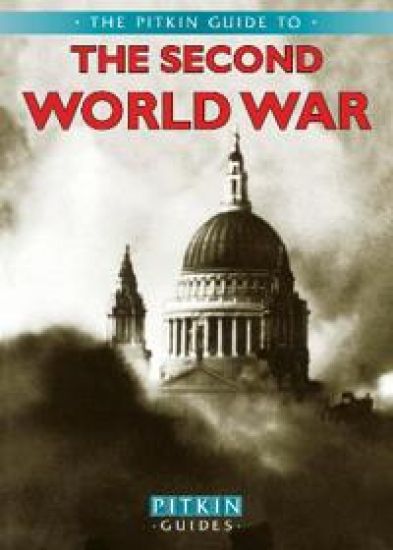
The Second World War was fought on land, in the air and at sea. It was indeed worldwide. This well-written short history looks at its causes and progress through to the allies' victory in 1945. Look out for more Pitkin Guides on the very best of British history, heritage and travel.
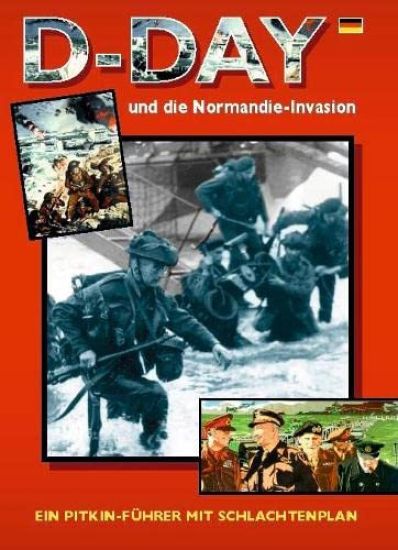
On 6 June the greatest landing force ever assembled began the Allied Liberation of France and Europe. In this German translation of the Pitkin Guide, enhanced with many contemporary photographs and maps, visitors and veterans can visit the beaches, landmarks, museums and cemeteries of Normandy. Look out for more Pitkin Guides on the very best of British history, heritage and travel.
There are more languages available for this title: French, English For many, the name of Ypres invokes some of our most poignant poetry, written by soldiers at the front line. Reminders of the horrors and heroism of a terrible war await the visitor, but also the pleasures of discovering the richness of a heritage that stretches back over 800 years. Ypres in War and Peace provides not only a guide to events and memorials of the First World War, but also a revealing introduction to the fascination of an ancient and modern city - an ideal souvenir to take home. Look out for more Pitkin Guides on the very best of British and European history, heritage and travel.
There are more languages available for this title: French, Flemish For many, the name of Ypres invokes some of our most poignant poetry, written by soldiers at the front line. Reminders of the horrors and heroism of a terrible war await the visitor, but also the pleasures of discovering the richness of a heritage that stretches back over 800 years. Ypres in War and Peace provides not only a guide to events and memorials of the First World War, but also a revealing introduction to the fascination of an ancient and modern city - an ideal souvenir to take home. Look out for more Pitkin Guides on the very best of British and European history, heritage and travel.