Kirjojen hintavertailu. Mukana 12 530 820 kirjaa ja 12 kauppaa.
Kirjailija
Mary Ann Clark
Kirjat ja teokset yhdessä paikassa: 5 kirjaa, julkaisuja vuosilta 2007-2018, suosituimpien joukossa The Baron's Box. Vertaile teosten hintoja ja tarkista saatavuus suomalaisista kirjakaupoista.
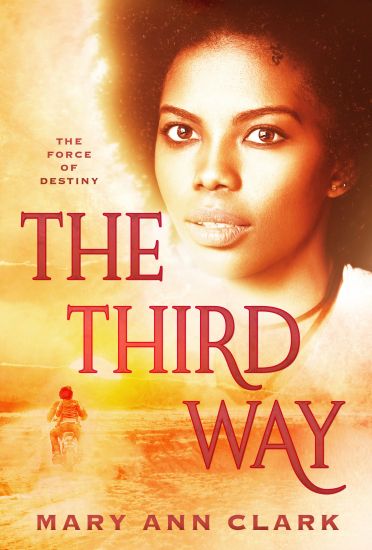
American Southwest is suffering from years of drought. Using good conservation practices, the people of Verdant Valley have been able to feed themselves and their people. And each year, they have fulfilled their contract for protection with the motorcycle gang known as the Demon Spawn. But this year the gang want more, much more. Giving them what they want will lead to starvation for Verdant Valley and the entire Babapupa Reserve. And it seems improbably that farmers can survive a firefight with bandits brandishing guns. Can a small group of market women and artisans find a way to save their people from both the slow death of starvation and the bloodbath of resistance?
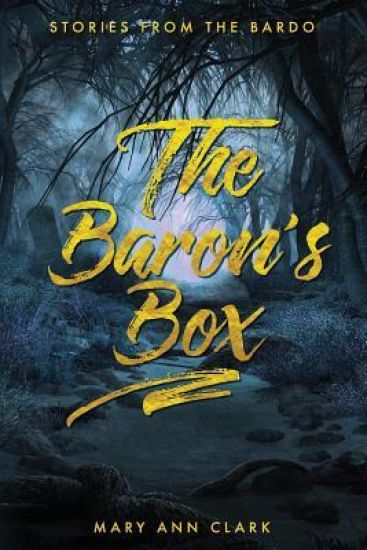
What would you do if you discovered yourself in an afterworld unlike any you'd ever imagined? When Sara wakes up on that shallow boat, she doesn't remember who she was or where she had been. Eventually, she discovers that she isn't lost and she hasn't been kidnapped. She is dead. But this afterlife is not what she expected. The Empyrean with its Guardians and that vile workshop full of moaning people isn't heaven. And the Nether Realm, full of wild animals, that dreadful wolf-headed Guardian and his lost ones, isn't hell. They call this the Bardo. But Sara doesn't know what that means. Remember, Release, Return is the motto of the Bardo but Sara remembers nothing. All she has is a body she doesn't recognize and a name that doesn't sound familiar. Besides, isn't death a one-way journey? How can she return to her previous life? Her only hope is to join with her companion, the one they call Sam, to complete The Baron Samedi's mission to deliver a coffin-shaped box Kore, the Queen of the Dead. And then, and then ... In this stunning debut novella, The Baron's Box: Stories from the Bardo, Mary Ann Clark invites us follow Sara on her journey through the afterlife. Will she remember enough of her life to understand why she and her compeer, Sam, were thrown together? Will they be able to work together to release the emotions of their lives and tragic deaths? Can they meet the challenges of the Bardo and fulfill their promises to each other? Fans of The Five People You Meet in Heaven and Lincoln in the Bardo will enjoy this imaginative new story.
You're making a difference Your purchase of this book helps benefit cancer research. Read below for more details. "Rags to riches to rags" - that saying has endured for centuries through many cultures because family success, whether fame, fortune, or otherwise, rarely survives through the third generation. In the United States, only 30 percent of family businesses make it through the second generation, while only 12 percent make it through the third. You Can't Spend Pride tells the story of one family business, Mister Kleen, that has defied the odds. Not only are three generations of the family working in the company, but Mister Kleen has grown to be a multi-million-dollar operation that ranks among the top 10 percent of businesses in its industry. Narrated as a first-person account by the co-founder, Mary Ann Clark, and her son and current company president, Ernie Clark Jr., You Can't Spend Pride tells the improbable story of how the family built their business from cleaning one client's office in the evenings to maintaining millions of square feet of high-security and commercial space throughout the Washington, D.C. area. And success certainly didn't happen overnight. The family fought through financial challenges, health issues, and many bad economic times over the course of decades to get the business on solid ground-now employing more than 400 people. You Can't Spend Pride is a must-read for anyone looking to start their own company, having difficulty growing their current company, and most certainly for anyone running a family business. Filled with stories and solid entrepreneurial advice, you'll find yourself immersed in the inspirational history of Mister Kleen as it rises from a home-based business in 1976 to the trusted leader in high-security and commercial cleaning in the Nation's Capital. All proceeds from the sale of this book go to the Cancer Research Institute For a minimum of one year, beginning May 20, 2014, Mister Kleen will donate to the Cancer Research Institute 100 percent of the proceeds ($3.53 for each paperback copy, $2.40 for each Kindle copy) of You Can't Spend Pride sold on Amazon.com. Your purchase of this book is making a difference by providing funding to one of the most significant organizations in the fight against cancer. The Cancer Research Institute (CRI) is the world's only nonprofit organization dedicated exclusively to harnessing the immune system's power to conquer all cancers. This important work has led to a promising new class of cancer treatments called cancer immunotherapy. These treatments mobilize, strengthen, and sustain the immune system's natural ability to destroy cancer cells, wherever they are in the body. CRI awards research grants and fellowships to support scientists at leading research universities and clinics around the world. To accomplish this, CRI relies on generous support from individuals, corporations, and foundations who have a desire to become partners in their effort to conquer cancer through immunology. Learn more at CancerResearch.org.
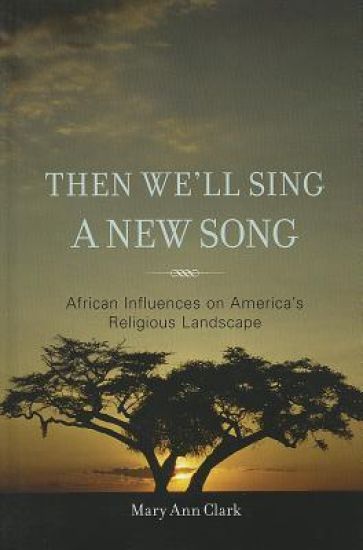
Then We'll Sing a New Song is a fascinating examination of how African religions have shaped belief and practices in America. Not just the story of the development of African American religions or the black church, this book tells the often-unrecognized, but important story of how African religions have shaped religion in America more broadly. Mary Ann Clark introduces readers to the cultures of three African kingdoms that contributed significant numbers of their population to the African slave trade, and also profoundly shaped religion in America—the Kingdom of Kongo, the Oyo Empire, and the Kingdom of Dahomey. Each of these groups has a unique history within the long history of the Atlantic slave trade and interacts with the Americas at a specific point in history. Clark shows how each may have had an influence on contemporary American beliefs and culture, sometimes in surprising ways. The book features a glossary, timeline, and maps.
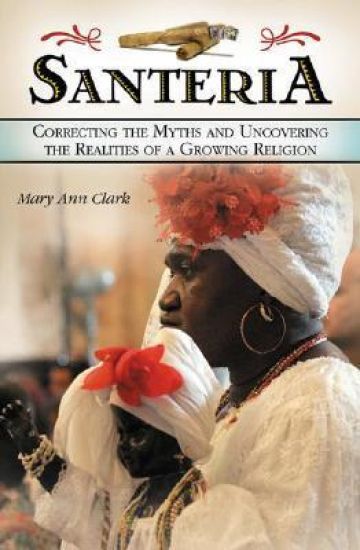
Santería, also known as Yoruba, Lukumi, or Orisha, was originally brought to the Americas from Africa by enslaved peoples destined for the Caribbean and South America. By the late 1980s it was estimated that more than 70 million African and American people participated in, or were familiar with, the various forms of Santeria, including traditional religions in Africa, Vodun in Haiti, Candomble in Brazil, Shango religion in Trinidad, Santeria in Cuba and, of course, variants of all of these in the U.S. Today there are practitioners around the world including Europe and Asia. Because of the secretive nature of the religion, it has been difficult to get accurate and objective information, but here, Clark introduces readers to the religion, explores the basic elements, including the Orisha, and answers the many questions Santeria arouses in observers and practitioners alike. Santería was brought to the United States in two principle waves, one in the early 1960s after the Cuban Revolution and later by the Marielitos who escaped from the island in the 1980s. Since then it has spread to the larger Hispanic community, to the African American community, and to other segments of society as well. Today, practitioners can be found in every state, and interest in Orisha and related traditions has gained popularity. As the number of practitioners has grown so has public awareness. In this compelling introduction, Clark answers such questions as where did this religion come from? What do practioners believe? Is it a cult? What takes place at a ritual event? How does it view death and the afterlife? Is there ritual sacrifice? Clark, a practitioner as well as a scholar of the faith, dispels the myths that surround this religious practice, and brings readers to a better understanding of this growing faith in America.