Kirjojen hintavertailu. Mukana 12 553 860 kirjaa ja 12 kauppaa.

Kirjailija

Mary Ann Smith

Kirjat ja teokset yhdessä paikassa: 5 kirjaa, julkaisuja vuosilta 2009-2020, suosituimpien joukossa Writing to Make an Impact. Vertaile teosten hintoja ja tarkista saatavuus suomalaisista kirjakaupoista.

5 kirjaa

Kirjojen julkaisuhaarukka 2009-2020.

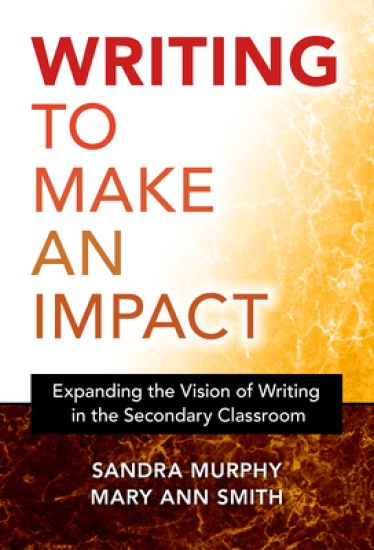
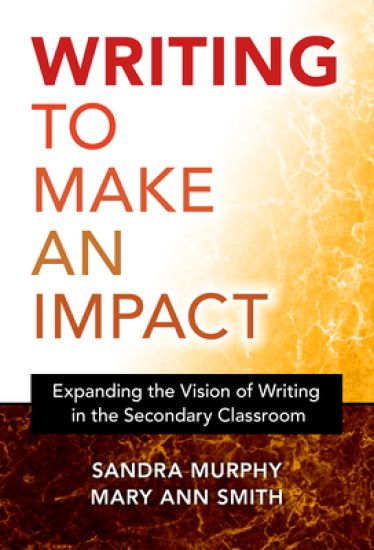
Writing to Make an Impact

Writing to Make an Impact

Sandra Murphy; Mary Ann Smith

Teachers' College Press
2020
nidottu
Through ideas and practices straight from the classrooms of outstanding teachers, this lively resource illustrates writing that makes an impact on a reader, a writer, or a cause—writing that everyone wants to read. The book is rich with student work that shows how writing can make things happen in the world. The authors provide ready-to-use lessons that include a full range of writing, including poetry, narrative, petitions, proposals, emails, self-reflections, long-term projects, and critical analyses.Book Features:Incorporates the voices and practices of many talented writing teachers.Employs an upbeat style with a clear, easy-to-follow framework.Encourages writing that changes minds, tells stories, calls for action, creates awareness or empathy, touches emotions, or promotes new thinking.Provides accessible teaching ideas, short exercises, and student models.Builds on students' experiences with social media and their interest in social issues.
Uncommonly Good Ideas

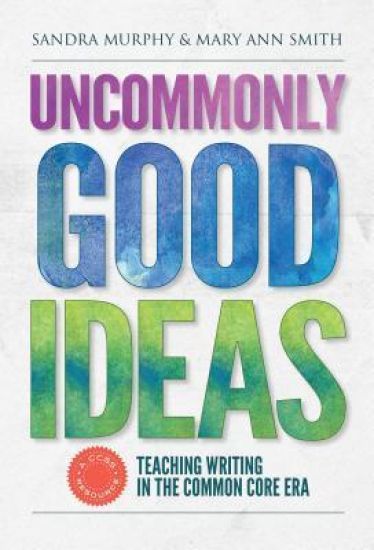
Uncommonly Good Ideas

Sandra Murphy; Mary Ann Smith

Teachers' College Press
2015
nidottu
This innovative resource provides teachers with a road map for designing a comprehensive writing curriculum that meets Common Core State Standards. The authors zero in on several big ideas that lead to and support effective practices in writing instruction, such as integrating reading, writing, speaking, and listening; teaching writing as a process; extending the range of students’ writing; spiraling and scaffolding a writing curriculum; and collaborating. These ideas are the cornerstone of best researched-based practices as well as the CCSS for writing. The first chapter offers a complete lesson designed around teaching narrative writing and illustrates tried-and-true practices for teaching writing as a process. The remaining chapters explore a broad range of teaching approaches that help students tackle different kinds of narrative, informational, and argumentative writing as well as complexities like audience and purpose. Each chapter focuses on at least one of the uncommonly good ideas and illustrates how to create curricula around it. Uncommonly Good Ideas includes model lessons and assignments, mentor texts, teaching strategies, student writing, and practical guidance for moving the ideas from the page into the classroom.
Writing to Make an Impact

Writing to Make an Impact

Sandra Murphy; Mary Ann Smith

Teachers' College Press
2020
sidottu
Through ideas and practices straight from the classrooms of outstanding teachers, this lively resource illustrates writing that makes an impact on a reader, a writer, or a cause-writing that everyone wants to read. The book is rich with student work that shows how writing can make things happen in the world. The authors provide ready-to-use lessons that include a full range of writing, including poetry, narrative, petitions, proposals, emails, self-reflections, long-term projects, and critical analyses.Book Features:Incorporates the voices and practices of many talented writing teachers.Employs an upbeat style with a clear, easy-to-follow framework.Encourages writing that changes minds, tells stories, calls for action, creates awareness or empathy, touches emotions, or promotes new thinking.Provides accessible teaching ideas, short exercises, and student models.Builds on students' experiences with social media and their interest in social issues.
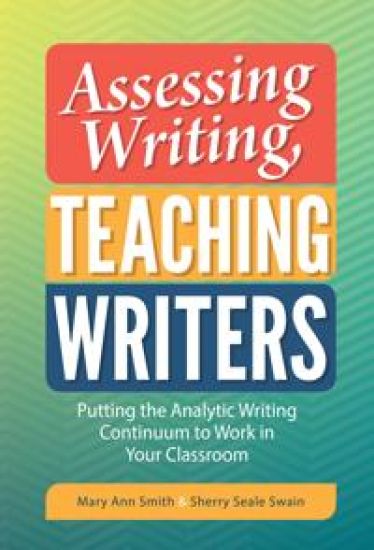
Assessing Writing, Teaching Writers

Assessing Writing, Teaching Writers

Mary Ann Smith; Sherry Seale Swain

Teachers' College Press
2016
nidottu
Many writing teachers are searching for a better way to turn student writing into teaching and learning opportunities without being crushed under the weight of student papers. This book introduces a rubric designed by the National Writing Project—the Analytic Writing Continuum (AWC)—that is making its way into classrooms across the country at all grade levels. The authors use sample student writing and multiple classroom scenarios to illustrate how teachers have adapted this flexible tool to meet the needs of their students, including using the AWC to teach revision, give feedback, direct peer-to-peer response groups, and serve as a formative assessment guide. This resource also discusses how to set up a local scoring session and how to use the AWC in professional development.