Kirjojen hintavertailu. Mukana 12 259 782 kirjaa ja 12 kauppaa.
Kirjailija
Mary Butler
Kirjat ja teokset yhdessä paikassa: 8 kirjaa, julkaisuja vuosilta 2008-2025, suosituimpien joukossa Apsara In The Bahamas. Vertaile teosten hintoja ja tarkista saatavuus suomalaisista kirjakaupoista.
Children can create exciting Easter scenes with more than 125 stickers! Use the numbered grid to place the stickers on the page to create the scenes, which include Easter eggs, spring flowers, an adorable bunny, Easter cupcakes, and more. Features fun facts on the back of every page and pull-out pages for display upon completion. Welcome to a world of coloring with stickers! Children can create pictures by matching the numbered stickers in the back of the book to the numbers on each picture. Each book in the Color with Stickers series includes more than 125 stickers to create exciting scenes!
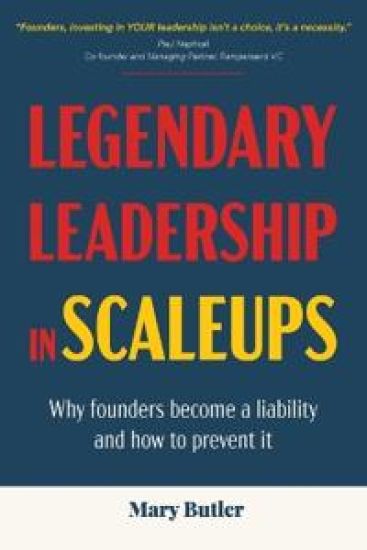
Are you a founder thinking, 'This used to be fun '?Are you stuck, thinking 'where to from here'? Are you overwhelmed and exhausted from trying to do it all, yet unsure of what you should (and shouldn't) be doing?It's time to enjoy this adventure again. You can be the best founder as leader to your team by shifting from doer to leader, and from operations to strategy.This essential book examines the importance of learning to let go. It matters for you, your team and your business.This book will help you to: - step away from the day-to-day and step up as a strategic leader- set boundaries, identify the work you should do, and let go of what you shouldn't- re-establish your reputation, internally and externally- build the best relationships and team to support you and your business.
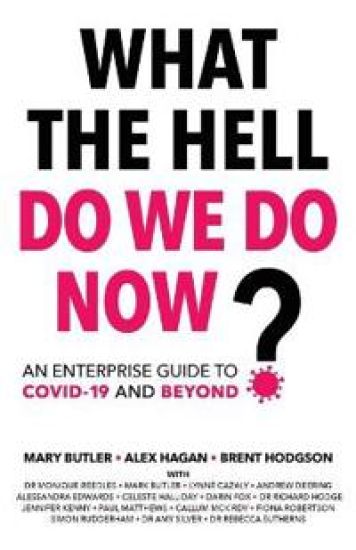
For all the talk of '2020 vision' over the past few years, it turns out we had some pretty big cataracts. What The Hell Do We Do Now?2020 has been a year of significant disruption to organisations all around the world. By the end of February, bushfires, protests, riots, drone strikes, impeachments, and stock market crashes had shocked the world. Britain left the European Union, and the COVID-19 pandemic shook business, the global economy, and society to its core. The events of 2020 have profoundly changed our priorities and operations. In these times where business, society, and the economy are being reshaped, we have also seen people and organisations step up and forge their path into the Next Normal.In What The Hell Do We Do Now?, 18 authors explore the tools and frameworks that can help you and your organisation navigate and emerge from crisis in better shape than when you entered it. The contributors draw on their own research across a wide range of domains including Psychology, Systems Thinking, Genetics, Strategic Foresight and Neurodiversity. The book follows the narrative arc of Victoria Lynn Schmidt's Heroine's Journey, a journey of being thrust into chaos and returning transformed through the challenges faced.If the events of 2020 have left you wondering 'What The Hell Do We Do Now', this book will serve as a blueprint to stepping confidently into our uncertain future.
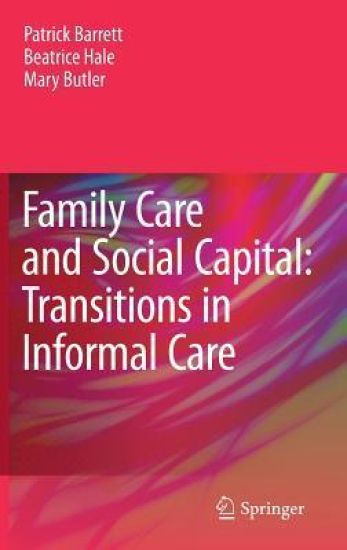
Becoming a caregiver is increasingly an inevitable experience for many people and, therefore, a likely life transition. Drawing on research and personal experiences of working with family caregivers, this book examines a range of family caregiving situations from across the life course. It seeks to capture the dynamics of caregiving in a number of common situations: caregiving during infancy, for adults who acquire a disability through accidents or illness, for older people with age-related issues, and caregiving by children and adolescent carers and grandparent carers. In drawing attention to key moments of vulnerability faced by family and informal caregivers, and by suggesting how to assist ‘reconnection’ at these moments, the book provides a guide for those working in the area of health, disability and care. Informal care is conceptualised as occurring with the context of personal interrelationships, these being nested within wider kin networks and linked with wider professional formal care networks. Informal care is seen both as an expression of social capital and as an activity that builds social capital. It is an indicator of resources of mutual support within social networks, and it has the effect of adding to the stock of social resources. The book makes a case, therefore, for facilitating the development of social capital by strengthening the capacity of informal caregivers and caregiver groups, and by improving the linkages with formal care organisations.
Becoming a caregiver is increasingly an inevitable experience for many people and, therefore, a likely life transition. Drawing on research and personal experiences of working with family caregivers, this book examines a range of family caregiving situations from across the life course. It seeks to capture the dynamics of caregiving in a number of common situations: caregiving during infancy, for adults who acquire a disability through accidents or illness, for older people with age-related issues, and caregiving by children and adolescent carers and grandparent carers. In drawing attention to key moments of vulnerability faced by family and informal caregivers, and by suggesting how to assist ‘reconnection’ at these moments, the book provides a guide for those working in the area of health, disability and care. Informal care is conceptualised as occurring with the context of personal interrelationships, these being nested within wider kin networks and linked with wider professional formal care networks. Informal care is seen both as an expression of social capital and as an activity that builds social capital. It is an indicator of resources of mutual support within social networks, and it has the effect of adding to the stock of social resources. The book makes a case, therefore, for facilitating the development of social capital by strengthening the capacity of informal caregivers and caregiver groups, and by improving the linkages with formal care organisations.