Kirjojen hintavertailu. Mukana 12 595 353 kirjaa ja 12 kauppaa.
Kirjailija
Mary E. Wilkins
Kirjat ja teokset yhdessä paikassa: 92 kirjaa, julkaisuja vuosilta 2004-2025, suosituimpien joukossa Pembroke. A NOVEL by: Mary E. Wilkins ( Biographical Edition ). Vertaile teosten hintoja ja tarkista saatavuus suomalaisista kirjakaupoista.
Mary Eleanor Wilkins Freeman (October 31, 1852 - March 13, 1930) was a prominent 19th-century American author.Freeman was born in Randolph, Massachusetts on October 31, 1852, to Eleanor Lothrop and Warren Edward Wilkins, who originally baptized her "Mary Ella". Freeman's parents were orthodox Congregationalists, bestowing a very strict childhood. Religious constraints play a key role in some of her works. In 1867, the family moved to Brattleboro, Vermont, where Freeman graduated from the local high school before attending, Mount Holyoke College (then, Mount Holyoke Female Seminary) in South Hadley, Massachusetts, for one year, from 1870-71. She later finished her education at Glenwood Seminary in West Brattleboro. When the family's dry goods business in Vermont failed in 1873, the family returned to Randolph, Massachusetts. Freeman's mother died three years later, and she changed her middle name to "Eleanor" in her memory. Freeman's father died suddenly in 1883, leaving her without any immediate family and an estate worth only $973. She moved in with a friend and began writing as her only source of income.During a visit to Metuchen, New Jersey in 1892, she met Dr. Charles Manning Freeman, a non-practicing medical doctor seven years younger than she. After years of courtship and delays, the two were married on January 1, 1902. Immediately after, she firmly established her name as "Mary E. Wilkins Freeman", which she asked Harper's to use on all of her work. The couple built a home in Metuchen, where Freeman became a local celebrity for her writing, despite having occasionally published satirical fictional representations of her neighbors. Her husband suffered from alcoholism and an addiction to sleeping powders. He also had a reputation for driving fast horses, and womanizing.
Mary Eleanor Wilkins Freeman (October 31, 1852 - March 13, 1930) was a prominent 19th-century American author.Freeman was born in Randolph, Massachusetts on October 31, 1852, to Eleanor Lothrop and Warren Edward Wilkins, who originally baptized her "Mary Ella". Freeman's parents were orthodox Congregationalists, bestowing a very strict childhood. Religious constraints play a key role in some of her works. In 1867, the family moved to Brattleboro, Vermont, where Freeman graduated from the local high school before attending, Mount Holyoke College (then, Mount Holyoke Female Seminary) in South Hadley, Massachusetts, for one year, from 1870-71. She later finished her education at Glenwood Seminary in West Brattleboro. When the family's dry goods business in Vermont failed in 1873, the family returned to Randolph, Massachusetts. Freeman's mother died three years later, and she changed her middle name to "Eleanor" in her memory. Freeman's father died suddenly in 1883, leaving her without any immediate family and an estate worth only $973. She moved in with a friend and began writing as her only source of income.During a visit to Metuchen, New Jersey in 1892, she met Dr. Charles Manning Freeman, a non-practicing medical doctor seven years younger than she. After years of courtship and delays, the two were married on January 1, 1902. Immediately after, she firmly established her name as "Mary E. Wilkins Freeman", which she asked Harper's to use on all of her work.
Mary Eleanor Wilkins Freeman (October 31, 1852 - March 13, 1930) was a prominent 19th-century American author She was born in Randolph, Massachusetts on October 31, 1852, to Eleanor Lothrop and Warren Edward Wilkins, who originally baptized her as "Mary Ella". Freeman's parents were orthodox Congregationalists, causing her to have a very strict childhood. Religious constraints play a key role in some of her works. LIST OF STORIES. A New England nun.--A village singer.--A gala dress.--The twelfth guest.--Sister Liddy.--Calla-lilies & Hannah.--Wayfaring couple.--A poetess.--Christmas Jenny.--Pot of gold.--Scent of the roses.--A solitary.--Gentle ghost.--A discovered pearl.--A village Lear.--Amanda & love.--Up Primrose hill.--Stolen Christmas.--Life everlastin'.--Innocent gamester. Louisa.--Church mouse.--Kitchen colonel.--The revolt of "Mother She was born in Randolph, Massachusetts on October 31, 1852, to Eleanor Lothrop and Warren Edward Wilkins, who originally baptized her as "Mary Ella". Freeman's parents were orthodox Congregationalists, causing her to have a very strict childhood.Religious constraints play a key role in some of her works. In 1867, the family moved to Brattleboro, Vermont, where Freeman graduated from the local high school before attending attended Mount Holyoke College (then, Mount Holyoke Female Seminary) in South Hadley, Massachusetts, for one year, from 1870-71. She later finished her education at Glenwood Seminary in West Brattleboro. When the family's dry goods business in Vermont failed in 1873, the family returned to Randolph, Massachusetts. Freeman's mother died three years later, and she changed her middle name to "Eleanor" in her memory. Freeman's father died suddenly in 1883, leaving her without any immediate family and an estate worth only $973. She moved in with a friend and began writing as her only source of income. During a visit to Metuchen, New Jersey in 1892, she met Dr. Charles Manning Freeman, a non-practicing medical doctor seven years younger than she. After years of courtship and delays, the two were married on January 1, 1902. Immediately after, she firmly established her name as "Mary E. Wilkins Freeman", which she asked Harper's to use on all of her work.The couple built a home in Metuchen, where Freeman was known as a local celebrity for her writing, despite having occasionally published satirical fictional representations of her neighbors. Her husband, who suffered from alcoholism and an addiction to sleeping powders, was committed to the New Jersey State Hospital for the Insane in Trenton, and the two legally separated a year later.After his death in 1923, he left the majority of his wealth to his chauffeur and only one dollar to his former wife. In April 1926, Freeman became the first recipient of the William Dean Howells Medal for Distinction in Fiction from the American Academy of Arts and Letters. She suffered a heart attack and died in Metuchen on March 15, 1930, at age 77. She was interred in Hillside Cemetery in Scotch Plains, New Jersey. Freeman began writing stories and verse for children while still a teenager to help support her family and was quickly successful. When the supernatural caught her interest, the result was a group of short stories which combined domestic realism with supernaturalism and these have proved very influential. Her best known work was written in the 1880s and 1890s while she lived in Randolph. She produced more than two dozen volumes of published short stories and novels. She is best known for two collections of stories, A Humble Romance and Other Stories (1887) and A New England Nun and Other Stories (1891). Her stories deal mostly with New England life and are among the best of their kind. Freeman is also remembered for her novel Pembroke (1894), and she contributed a notable chapter to the collaborative novel The Whole Family (1908).
Mary Eleanor Wilkins Freeman (October 31, 1852 - March 13, 1930) was a prominent 19th-century American author. She was born in Randolph, Massachusetts on October 31, 1852, to Eleanor Lothrop and Warren Edward Wilkins, who originally baptized her as "Mary Ella". Freeman's parents were orthodox Congregationalists, causing her to have a very strict childhood.Religious constraints play a key role in some of her works. In 1867, the family moved to Brattleboro, Vermont, where Freeman graduated from the local high school before attending attended Mount Holyoke College (then, Mount Holyoke Female Seminary) in South Hadley, Massachusetts, for one year, from 1870-71. She later finished her education at Glenwood Seminary in West Brattleboro. When the family's dry goods business in Vermont failed in 1873, the family returned to Randolph, Massachusetts. Freeman's mother died three years later, and she changed her middle name to "Eleanor" in her memory. Freeman's father died suddenly in 1883, leaving her without any immediate family and an estate worth only $973. She moved in with a friend and began writing as her only source of income. During a visit to Metuchen, New Jersey in 1892, she met Dr. Charles Manning Freeman, a non-practicing medical doctor seven years younger than she. After years of courtship and delays, the two were married on January 1, 1902. Immediately after, she firmly established her name as "Mary E. Wilkins Freeman", which she asked Harper's to use on all of her work.The couple built a home in Metuchen, where Freeman was known as a local celebrity for her writing, despite having occasionally published satirical fictional representations of her neighbors. Her husband, who suffered from alcoholism and an addiction to sleeping powders, was committed to the New Jersey State Hospital for the Insane in Trenton, and the two legally separated a year later.After his death in 1923, he left the majority of his wealth to his chauffeur and only one dollar to his former wife. In April 1926, Freeman became the first recipient of the William Dean Howells Medal for Distinction in Fiction from the American Academy of Arts and Letters. She suffered a heart attack and died in Metuchen on March 15, 1930, at age 77. She was interred in Hillside Cemetery in Scotch Plains, New Jersey. Freeman began writing stories and verse for children while still a teenager to help support her family and was quickly successful. When the supernatural caught her interest, the result was a group of short stories which combined domestic realism with supernaturalism and these have proved very influential. Her best known work was written in the 1880s and 1890s while she lived in Randolph. She produced more than two dozen volumes of published short stories and novels. She is best known for two collections of stories, A Humble Romance and Other Stories (1887) and A New England Nun and Other Stories (1891). Her stories deal mostly with New England life and are among the best of their kind. Freeman is also remembered for her novel Pembroke (1894), and she contributed a notable chapter to the collaborative novel The Whole Family (1908).
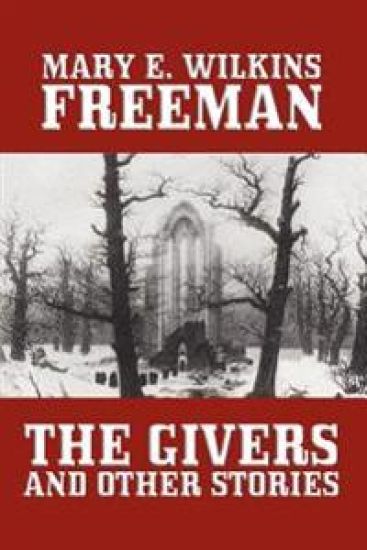
This 1904 collection of Mary E. Wilkins Freeman's short stories contains: "The Givers," "The Revolt of Sophia," "Lucy," "Eglantina," "Joy," "The Reign of the Doll," "The Chance of Araminta," "The Butterfly," and "The Last Gift."
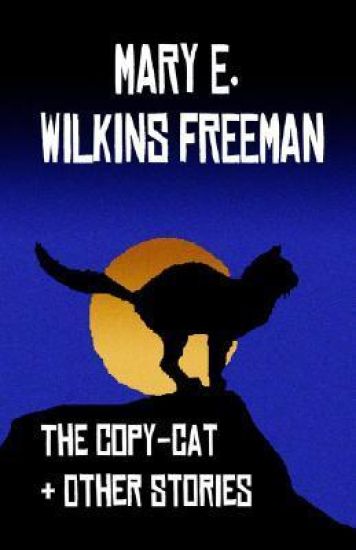
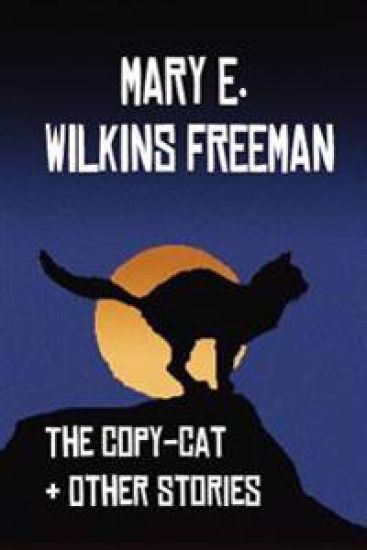
This great short story collection includes twelve of Mary E. Wilkins Freeman's best stories: "The Copy-Cat," "The Cock of the Walk," "Johnny-In-The-Woods," "Daniel and Little Dan'l," "Big Sister Solly," "Little Lucy Rose," "Noblesse," "Coronation," "The Amethyst Comb," "The Umbrella Man," "The Balking of Christopher," and "Dear Annie."
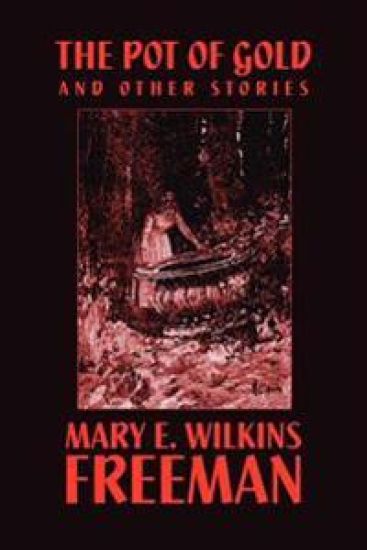
This fine collection includes sixteen of Mary E. Wilkins Freeman's classic stories: "The Pot of Gold," "The Cow with the Golden Horns," "The Christmas Monks," "The Silver Hen," and many more.
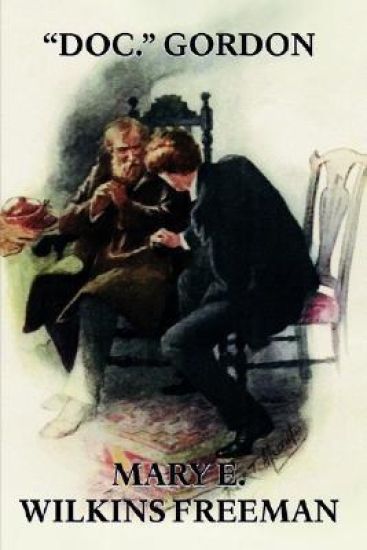
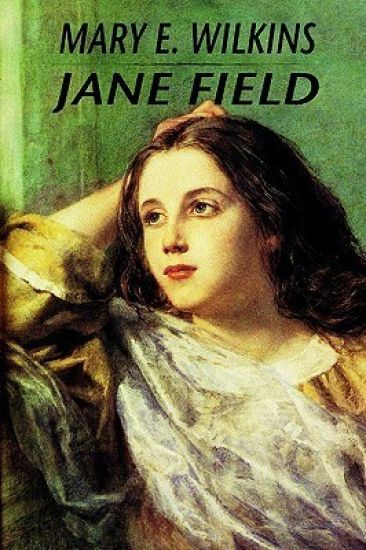
Originally published in 1936, here is a charming novel of a rural doctor's life, trials, and tribulations. Barter, conniving horse traders, and more face "Doc." Gordon! MARY E. WILKINS FREEMAN (1852-1930) was born in Randolph, Massachusetts and died in Metuchen, New Jersey. Among her published regional short fiction and novels are A Humble Romance and Other Stories, A New England Nun and Other Stories, Jane Field, and The Portion of Labor. In 1926 she received the William Dean Howells Medal of the American Academy of Arts and Letters for distinction in fiction. That same year, she and Edith Wharton were among the first women to be elected to membership in the National Institute of Arts and Letters.
This fine short story collection includes twelve of Mary E. Wilkins Freeman's finest stories: "The Copy-Cat," "The Cock of the Walk," "Johnny-In-The-Woods," "Daniel and Little Dan'l," "Big Sister Solly," "Little Lucy Rose," "Noblesse," "Coronation," "The Amethyst Comb," "The Umbrella Man," "The Balking of Christopher," and "Dear Annie."
Originally published in 1936, here is a charming novel of a rural doctor's life, trials, and tribulations. Barter, conniving horse traders, and more face "Doc." Gordon on his rural rounds! MARY E. WILKINS FREEMAN (1852-1930) was born in Randolph, Massachusetts and died in Metuchen, New Jersey. Among her published regional short fiction and novels are A Humble Romance and Other Stories, A New England Nun and Other Stories, Jane Field, and The Portion of Labor. In 1926 she received the William Dean Howells Medal of the American Academy of Arts and Letters for distinction in fiction. That same year, she and Edith Wharton were among the first women to be elected to membership in the National Institute of Arts and Letters.