Kirjojen hintavertailu. Mukana 12 410 768 kirjaa ja 12 kauppaa.
Kirjailija
Mary Ellen Snodgrass
Kirjat ja teokset yhdessä paikassa: 60 kirjaa, julkaisuja vuosilta 1991-2026, suosituimpien joukossa Gary Paulsen. Vertaile teosten hintoja ja tarkista saatavuus suomalaisista kirjakaupoista.
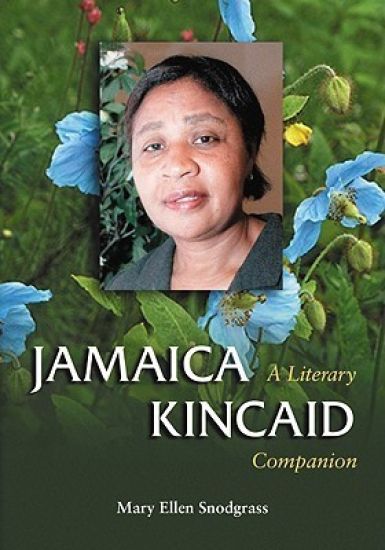
Changing her name early in her career because her parents disapproved of her writing, Jamaica Kincaid crossed audiences to embrace feminist, American, postcolonial and world literature. This book offers an introduction and guided overview of her characters, plots, humor, symbols, and classic themes. Designed for students, fans, librarians, and teachers, the 84 A-to-Z entries combine commentary from interviewers, feminist historians, and book critics with numerous citations from primary and secondary sources and comparative literature. The companion features a chronology of Kincaid's life, West Indies heritage and works, and includes a character name chart.
What is a corrido? What is the difference between a tanka, a choka and a renga? What does it mean when you're doing the dozens? What is a Bildungsroman? This dictionary of literary terms provides the student, scholar, librarian, or researcher with definitions, explanations, and models of the styles and forms of works of literature. Along with novel, tone, tragedy, and scansion are haiku, noh, griot, and other terms that derive from works long undervalued by the literary world. The examples come from a very broad field of authors--reflecting a spirit of inclusion of all people, races and literary traditions. The editors have elected to quote from literary examples that students are likely to have read and to which they most readily relate (for instance, Angelou's I Know Why the Caged Bird Sings was preferred over a work such as Paradise Lost, which fewer students have read and understand). Included is a listing of poets laureate to the Library of Congress, literature winners of the Pulitzer and Nobel prizes, Booker McConnell Prize winners, a time line of world literature and an index.
Walter Dean Myers, preeminent author of teen fiction biography and verse, refines the image of black characters that are frequently trivialized or vilified in juvenile literature, advertising, television, and film. From his saga The Glory Field to his novel The Young Landlords, Myers's canon surveys the complex realm of the teen years as colliding settings in home, school, and the street. This volume introduces readers to both the writer and his work, with an emphasis on the characters, dates, events, motifs, and themes from the books. Myers's 101 A-to-Z entries offer concise, analytical discussion on all topics and include generous citations from primary and secondary sources. Each entry concludes with a selected bibliography on such subjects as segregation, Malcolm X, urbanism, writing, metafiction, drugs and alcohol, slavery, and the Vietnam War. Appendices offer a timeline of historical events in Myers's writings and forty topics for group or individual projects, oral analysis, background material, and theme development. A map of Harlem (where many of the stories are set), genealogical diagrams for characters, and an author chronology contribute to a comprehensive presentation.
Much diversity exists among the beaches and shores of the world. Some have features as unique as fingerprints, from the cliff divers of Acapulco to the Samoan herbalists of Ofu Island. In Vietnam, Halong Bay charged aboriginal imaginations with its sea corridors, rock spindles, and sculpted tors. At Punta Espinosa, Ferdinanda, life's clear model of biological engineering influenced the scientific philosophy of Charles Darwin. This reference work begins with an introduction expressing the significance of beaches and shores to human history, religion, philosophy, and eco-awareness. Each entry begins with a topographical description and contacts for the region, discusses topics such as mythical and tribal stories, artistry, religious meanings and pilgrimages, activism, conquests and the slave trade, piracy, human development, and tourism, and concludes with a summary of coastal activities available today. The work also includes a glossary, appendices of beaches and shores arranged by country, and selected literary works and films arranged alphabetically and chronologically. From "Nukey Poo," the Antarctic nuclear reactor, to sandcastle contests at Woolacombe, Devon, this encyclopedia covers fascinating aspects of the world's coasts.
A space common to all peoples, the kitchen embodies the cultural history of domestic life: how people around the world acquire, prepare, cook, serve, eat, preserve, and store food; what foods we eat and why and when; what utensils, cutlery, decorations, furnishings, and appliances we create and use; what work, play, chores, services, and celebrations we perform. The history of the kitchen reflects human ingenuity solving problems posed by daily necessity and the human desire for social comfort and continuity. Kitchen history also tells us much about our interaction with others and with other cultures as well. From the history of beer, cooking stones, ergonomics, medieval kitchens, Roman cookery, pasta, and chopsticks to inventors such as Nils Dalén and George Washington Carver and cookbook authors such as Isabella Beeton and Julia Child, this A-Z Encyclopedia presents almost 300 wide-ranging entries that detail the culinary history of each topic. The Encyclopedia of Kitchen History features: *See Alsos which lead the reader to pertinent entries *Useful Sources section at the end of entries that compiles a list of books, CDs, journals, newspapers, and online databases and news sources for further research *An appendix of Common Sources- the most helpful resources on domestic histories *Numerous illustrations that explain and communicate the vibrancy of domestic culture *Thorough, analytic index that directs the reader to the people, writings, recipes, inventions, processes, and foodstuffs that make up kitchen history. From the discovery of fire to the latest space mission, the Encyclopedia of Kitchen History brings together the rich diversity of kitchen history in one accessible volume. Students, researchers, scholars, and culinary aficionados- from beginners to experts- will find this Encyclopedia to be a fascinating look into the history of the kitchen from the foodstuffs prepared to the tools and implements used as well as the innovators who shaped its function and utility.
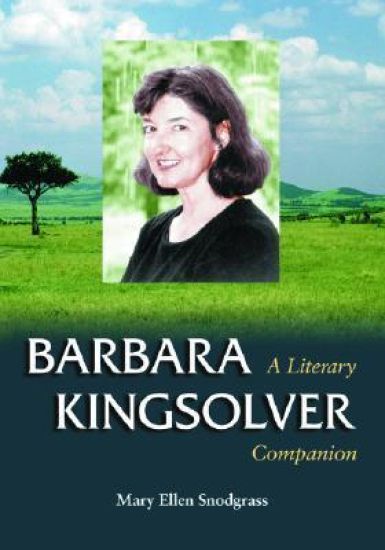
Barbara Kingsolver--a writer of fiction, documentary, verse and essay--supports entertaining stories with profound themes of ecological responsibility and defense of human rights. This work is an introduction and overview of the author's literary achievements, opening with an annotated chronology of Kingsolver's life, activism, works, and awards, followed by a family tree. The 122 alphabetical entries in the main text provide data and analysis on characters, dates, historical figures and events, allusions, literary motifs, and themes from Kingsolver's works, combining insights with generous citations from primary and secondary sources. Each entry concludes with a selected bibliography. Appendices include a timeline of events in The Poisonwood Bible, a list of 46 writing and research topics, a bibliography, and a comprehensive index.
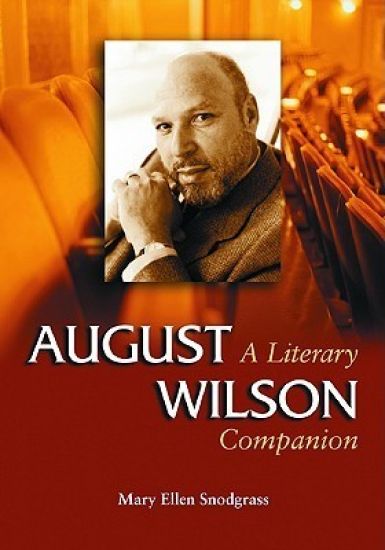
Award-winning African-American playwright August Wilson created a cultural chronicle of black America through such works as Ma Rainey's Black Bottom, Fences, Joe Turner's Come and Gone, The Piano Lesson, and Two Trains Running. The authentic ring of wit, anecdote, homily, and plaint proved that a self-educated Pittsburgh ghetto native can grow into a revered conduit for a century of black achievement. He forced readers and audiences to examine the despair generated by poverty and racism by exploring African-American heritage and experiences over the course of the twentieth century. This literary companion provides the reader with a source of basic data and analysis of characters, dates, events, allusions, staging strategies and themes from the work of one of America's finest playwrights. The text opens with an annotated chronology of Wilson's life and works, followed by his family tree. Each of the 166 encyclopedic entries that make up the body of the work combines insights from a variety of sources along with generous citations; each concludes with a selected bibliography on such relevant subjects as the blues, Malcolm X, irony, roosters, and Gothic mode. Charts elucidate the genealogies of Wilson's characters, the Charles, Hedley, and Maxson families, and account for weaknesses in Wilson's female characters. Two appendices complete the generously cross-referenced work: a timeline of events in Wilson's life and those of his characters, and a list of 40 topics for projects, composition, and oral analysis.
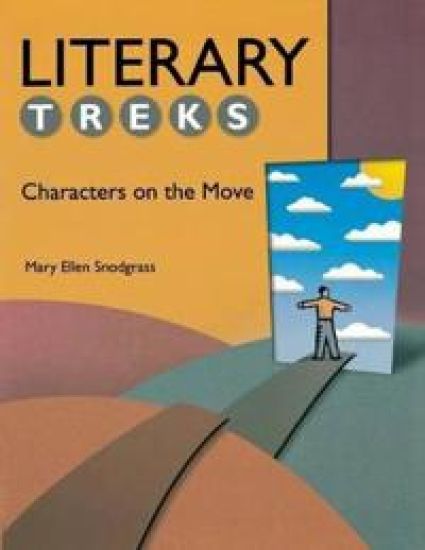
Offering a wealth of maps and geographic routes for 28 books, this guide illustrates how to teach with literary maps, taking students on a journey through real and imaginary terrains. Entries span a range of genres and literary formats (including novels, dramas, and diaries); each follows a book's protagonist through space and time, covering places visited as well as historical figures, customs, cultures, and events.Geographic summaries, itemized itineraries, and detailed maps help students trace each character's journey and comprehend the geographic scale of action. As a prelude to reading, the maps can help disadvantaged readers better understand the stories and settings of a book, which will significantly enhance any student's reading experience. Instruction on marking maps with notes and arrows will help students prepare for college-level classes as they organize their work, simplify confusing elements, outline chronology, and incorporate additional reading and research.
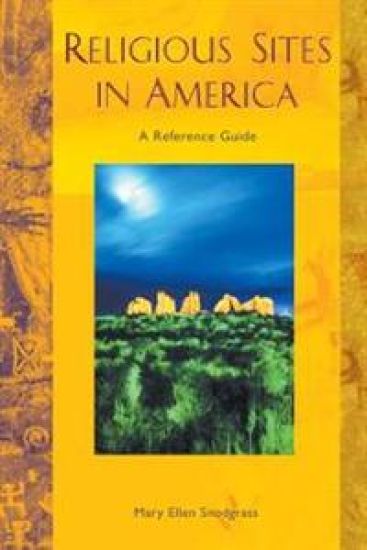
Ranging over the incredibly diverse American religious expression, Religious Sites in America explores more than 160 worship sites as representative examples of individual beliefs and practices.Religious Sites in America examines the location, origin, and history of each site, its size and accessibility, and its purpose and influence. Entries examine uniquely American worship: a passion play enacted by the Hermanos Penitentes, high holy days celebrated over the Internet, and peyotism, one of the oldest worship practices indigenous to the continent.Because all sites are active religious centers, entries detail site supervision, location, and layout, and include telephone and fax numbers and e-mail and Web addresses. In addition to a site's significance, history, and architecture, the coverage also summarizes its religious activities and outreach programs.A detailed timeline charts the growth of widespread religious expression in America. A glossary, an extensive bibliography, a subject index, and illustrations complete the coverage.Detailed timeline charts the growth of widespread religious expression in AmericaGlossary, extensive bibliography, subject index, and illustrations included
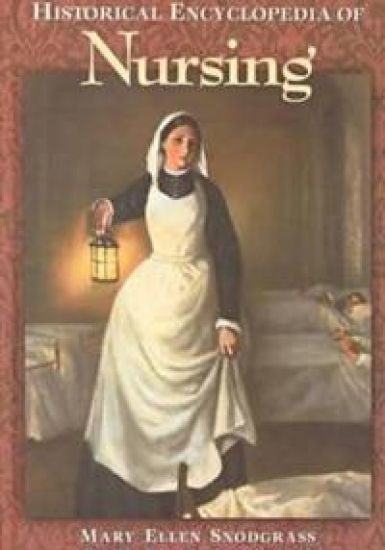
This unique reference work traces the story of nursing from Roman times to the present, including the evolution of military nursing. The book's numerous biographies of health care pioneers include many first-person narratives and eyewitness accounts, from Mother Teresa to Walt Whitman. A timeline of landmarks in nursing offers a concise overview of the profession, and the book also includes a detailed bibliography and index.
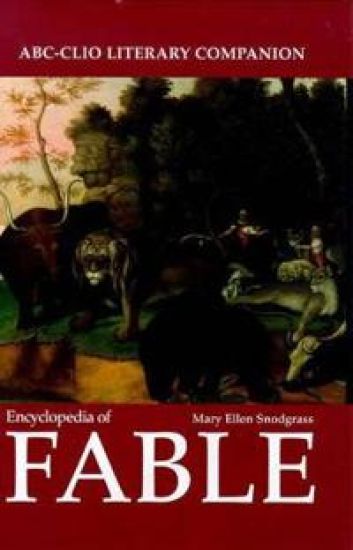
Fable is one of the most interesting genres of world literature. From ancient times to the present, fabulists have sought to convey moral points through tales which typically involve animals. This text presents a guide to the subject, covering major works, characters and situations as well as the genre's creators, collectors and illustrators. The book includes a listing of the world's most prominent fables; biographies of famous fabulists, adapters and translators; and definitions of terms such as wisdom lore, allegorical proverb, Horatian fables and griot. M.E. Snodgrass also discusses cycles of fables, such as Anansi the spider; the impact of fables on children's literary classics such as Winnie the Pooh, Peter Rabbit and the books of Dr Seuss; and fables as a component of storytelling, drama, fiction and cinema.
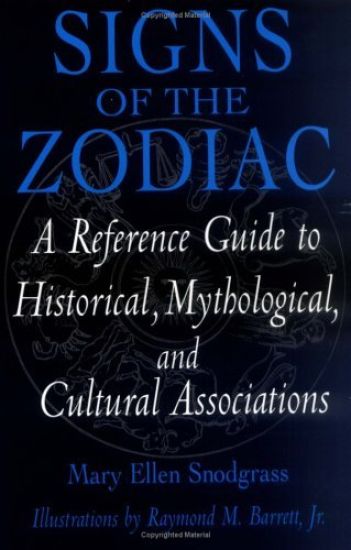
The zodiacal signs impact art, advertising, literature, history, mythology, psychology, health, and language with their evocative imagery, symbols and scientific and religious lore. This fact-filled reference guide pulls together applications of the zodiacal signs in those fields and others. Each sign is explicated in a separate chapter which discusses its origin and importance in diverse cultures, including its history, artistic applications, traditions, literary and religious interpretations, psychological significance, and application to notable historical and contemporary figures. An organized overview with cross-references and indexing allows the zodiac to be studied from numerous points of view. Artistic representations of each of the 12 houses accompany the text.Introductory chapters on the origins of the zodiacal signs, the historical foundation of astrology, the zodiac in the first millennium A.D., and the zodiac in the arts and sciences provide a thorough overview and comparative examination of the influence of the zodiac in human history and thought. A detailed timeline synchronizes discoveries and development of zodiacal associations and thought around the world. Appendices list planetary correspondences in jewels, metals, herbs, color, flavor, form, shapes, food preferences, and senses, and the symptoms and pathologies associated with birth signs. The work also contains an extensive bibliography and index.
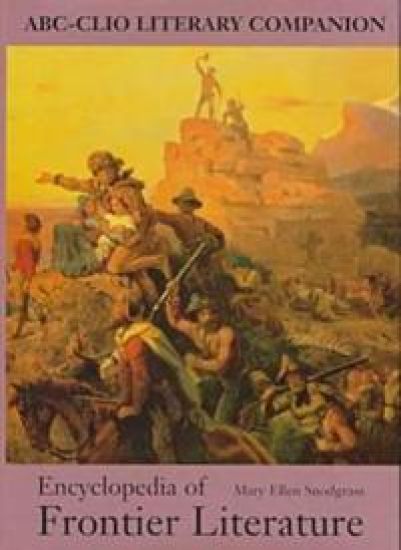
The Encyclopedia of Frontier Literature surveys 400 years of North American frontier literature. Within this literary context, the roles of women and minorities are given special attention, as is the expansion of the American West. The sheer scope of frontier literature is striking; this genre belongs as much to Henry Wadsworth Longfellow and James Fenimore Cooper as it does to Willa Cather and Jessamyn West. From novels, short stories, and poetry to theater, oratory, outdoor dramas, songs, biographies, diaries, journals, and logbooks, frontier literature is characterized and unified by its rich expression of human experience. In the 94 alphabetized entries in this volume, readers will find dozens of authors and hundreds of works represented, as well as biographies, key concepts, terms, geographic locations, literary motifs, and dominant themes, including Explorers of the Frontier, Law and Order, Native Americans in Literature, Naturalists, and Poetry of the Frontier.
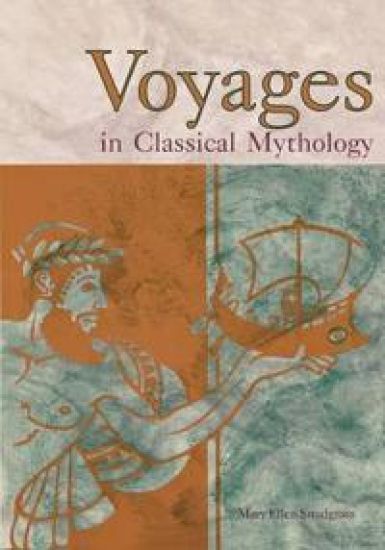
Voyages in Classical Mythology takes 44 great classical adventure tales of mythology and exploration and retells them in this beautifully written volume.Organized by character or traveler's name, each entry includes a description of the voyager's life, their journey, alternate versions of the story, symbolism, cross-references, and a list of ancient sources. Each entry in Voyages in Classical Mythology is accompanied by a map, helping readers trace the routes of heroes and deities whose quests took them to such faraway destinations as Egypt, Sparta, Troy, and the Black Sea.Tales include some of mythology's greatest moments, including Daedalus's trip to Crete, his entrapment in the labyrinth he designed, and the fateful flight back to Italy with his son, Icarus; Helen's voyage from Greece to Troy and back again; and Orpheus's journey to the Underworld to retrieve his bride. Voyages in Classical Mythology also includes a convenient glossary of relevant terms from Greek and Roman Mythology and a detailed index. The eloquent text makes the complex themes of classical scholarship accessible to a wide range of readers. Students and nonspecialists of any age will thoroughly enjoy these fascinating journeys.Well-illustrated, each entry is accompanied by a map, helping readers trace the routes of heroes and deitiesIncludes a convenient glossary of relevant terms from Greek and Roman MythologyProvides a detailed index for easy access to entries
What is a babiche? A cradleboard? Who are the Athapascans and the Black Indians? What was the Battle of Little Big Horn? This compendium of vocabulary, people, places, and events is designed to assist the reader in understanding a variety of terms and important events from Native American history that are included in works of classic literature and nonfiction sources. Offering a balanced approach to multicultural study, the text strives to convey a sense of the normal rhythms of Indian life by discussing the daily work and lifestyles of women and children as well as hunters and warriors. It covers North American, Caribbean, and Central and South American Indian groups and Canadian and Alaskan Inuit, including well-known tribes (e.g., Apache, Cherokee, and Sioux) and less familiar ones (e.g., Carrier, Inuit, Pomo, and Kwakiutl). Each entry contains a pronunciation guide, definition, examples, and an illustrative sentence from the literature. Organized alphabetically with frequent cross-references a
This biographical treasury portrays 40 notable achievers-all of whom blossomed late in life and succeeded in a variety of fields, from literature to politics and from business and industry to art. Emphases are on how obstacles were overcome and the character traits that helped these diverse individuals find ways to succeed. All Levels.