Kirjojen hintavertailu. Mukana 12 390 323 kirjaa ja 12 kauppaa.
Kirjailija
Mary K. Greer
Kirjat ja teokset yhdessä paikassa: 19 kirjaa, julkaisuja vuosilta 1996-2026, suosituimpien joukossa Le Tarot de A.E. Waite et P. Colman Smith. Vertaile teosten hintoja ja tarkista saatavuus suomalaisista kirjakaupoista.
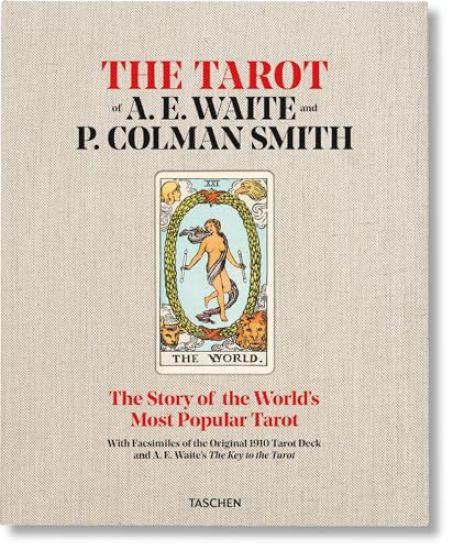
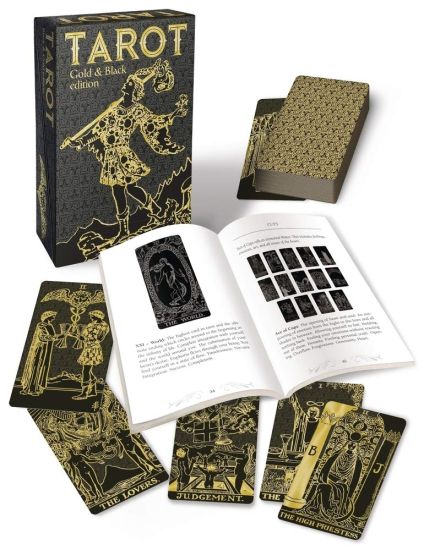
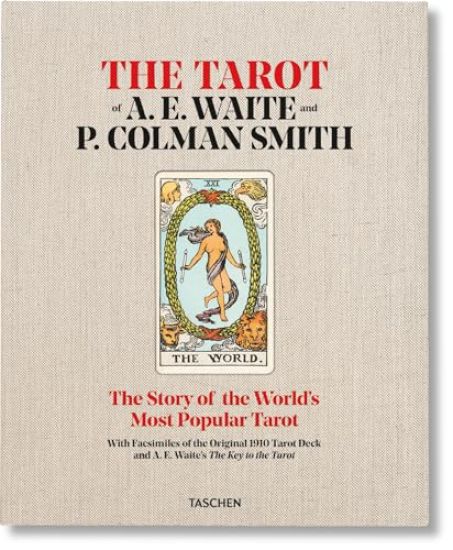
A unique edition of bright texts, brilliant images, and historic reprints, this kit provides everything that both beginners and advanced Tarot users might need and want to read cards for themselves and to study and experience this cultural gem in all its beauty and significance.The valuable collector’s box includes a complete deck of the Waite Smith Tarot cards and Waite’s famous companion book The Key to the Tarot. In this illustrated book, with texts and images compiled by Johannes Fiebig, the Tarot cards become psychological mirrors and signposts leading toward new answers and personal solutions. The fact that this works well can be attributed to certain advantages inherent to the Waite-Smith cards, and these points are illuminated in an essay by Rachel Pollack.All 78 cards are presented individually and in detail. The explanatory texts provide several dimensions and levels of interpretation, including concrete practical tips. Further, the book offers a new feature: the quick check. This presents a concise hint regarding the meaning of each card in each possible position of all the spread patterns featured in the book.When Arthur E. Waite and Pamela Colman Smith developed their Tarot deck in London in 1909, nobody could have predicted that it would have an overwhelming renaissance starting around 60 years later. What were the lives, works, and passions of these creators like? Pamela Colman Smith and Arthur E. Waite are brought vividly back to life in essays by Mary K. Greer and Robert A. Gilbert.
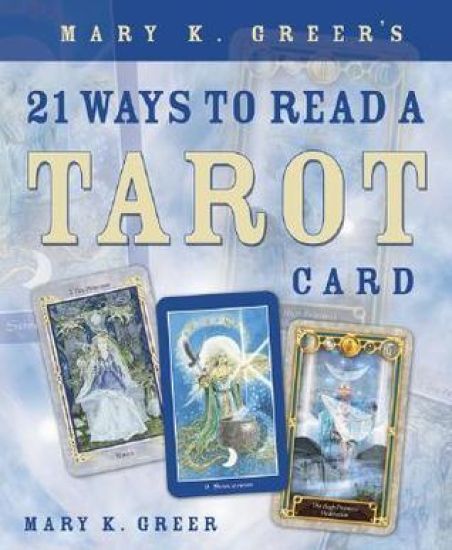
Drawing on nearly forty years of tarot experience, Mary K. Greer has developed a new energizing approach-made up of twenty-one stimulating techniques to interpret or deepen your understanding of each card. Just as the twenty-six letters of the alphabet can be combined to form billions of words, Greer's twenty-one methods can be used in any combination for gaining amazing new insights and perspectives. Emphasizing both traditional and personal methods of interpretation, Greer's techniques involve storytelling, sketching, symbols, metaphors, dialogues, acting, and other imaginative exercises. Designed to bring about interaction, transformation, and empowerment, this twenty-one-pronged approach to tarot can help readers expand standard interpretations and evolve new ways of connecting to the cards. COVR Award Winner or Best Divination Book
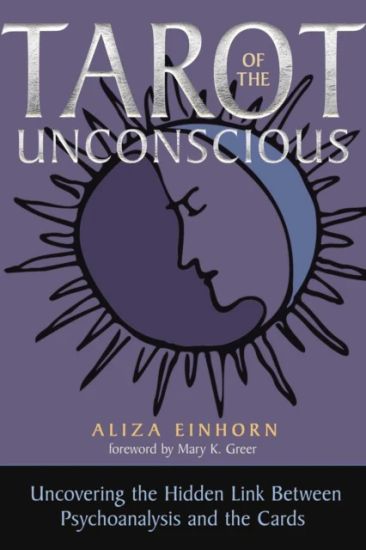
When author and longtime tarot reader and teacher Aliza Einhorn returned to school in order to become a psychoanalyst, she thought that she would have to put divination behind her. Instead, she discovered new insights regarding tarot and intuition. The result is Tarot of the Unconscious: Uncovering the Hidden Link Between Psychoanalysis and the Cards. Inspired by Sigmund Freud and the deep-diving talk therapy of psychoanalysis, Tarot of the Unconscious is a unique exploration of the seventy-eight cards of the tarot. Einhorn probes the uncanny correspondences between the mysterious tarot and the groundbreaking ideas of Freud, the father and inventor of psychoanalysis. Psychoanalysis is the origin of all talk therapy known today. Freud popularized the concept of the unconscious: the idea that we don’t know why we do what we do and that our motivations are often hidden from us. Numerous tarot and other spiritual books examine the teachings of Carl Jung, but Tarot of the Unconscious uniquely draws connections between tarot and Freud. Tarot of the Unconscious features seventy-eight new tarot spreads that Einhorn created especially for this book. She also teaches readers to bravely create their own spreads. Einhorn writes, “In this book, we have Tarot for your Melancholia, Tarot for the Journey Home, Tarot for Not Getting Out of Bed, Tarot for Your Dark Night of the Soul. You get the picture. Tarot, like life, is not all love and light and neither is psychoanalysis, and neither is any real healing or creative process.” Einhorn offers interpretations of each of the seventy-eight cards but also teaches readers how to interpret cards, as well as how to hone and rely upon their intuition. Tarot of the Unconscious is suitable for tarot readers of any level. It will help transform nervous tarot novices into confident, creative tarot practitioners and will offer new thought-provoking perspectives to seasoned tarot experts as well.
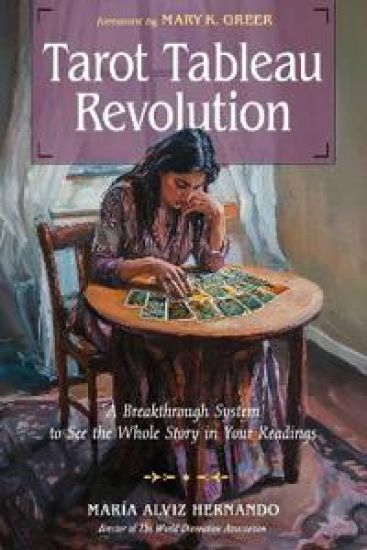
A modern twist on a classic method of reading tarot that enables readers to consistently interpret the cards with accuracy and confidence. The first documented evidence of tarot cards as we know them today derives from early fifteenth century Italy, where they were used in a card game known as Tarocco. Transported to France, the name of the game became Tarot. By the late eighteenth century, there is documented evidence from France that the cards were being used for divination. In the twenty-first century, various spreads, such as the three-card spread or the Celtic Cross, are familiar to most readers. However, among the very earliest methods of divining with tarot cards involved the tableau. Some of the earliest paintings depicting tarot readers show them seated at a table with the cards arranged in a tableau. The French word tableau literally means a “picture” or an “arrangement.” The tarot tableau technique involves laying out cards in a square or rectangular shape and interpreting them in the way that one might interpret a painting. Cards are read in relationship to one another. Different tableaus utilize different numbers of cards. The tarot tableau blends traditional tarot and European cartomantic techniques, resulting in a system that aims to make tarot effective, useful, and to the point. Over the centuries, the tableau technique fell into obscurity, but it remains recognized as among the most accurate ways of reading and interpreting tarot. Although the system survived in Europe, the technique was less well known in North America, until María Alviz Hernando began teaching and demonstrating it at tarot conferences. Tarot Tableau Revolution, the first book from author María Alviz Hernando, codirector of the World Divination Association, revives this method for a modern audience, offering tips and techniques for mastery of this system. Tarot tableau reading has become María's signature spread; her presentations and classes have been met with acclaim. Tarot Tableau Revolution covers an entire system, teaching readers to read tarot based on classic cartomantic techniques. These techniques give any reader a very strong foundation with which to work. Readers go on a journey that begins with narrative readings of three or five cards, building up to the nine-card tableau (the flagship of the system), and then expanding into the five-by-five tableau or the Tarot Grand Tableau. No dot is left unconnected in this system! Readers learn how the cards interact on different levels: elemental, directional, relational. This way, they can easily commit to a concrete answer in their readings—the multiple elements allow them to substantiate their interpretation. The goal with the tarot tableau, as taught in Tarot Tableau Revolution, is to understand a method of reading so solid that on your worst, most uninspired day you can still offer the best guidance.
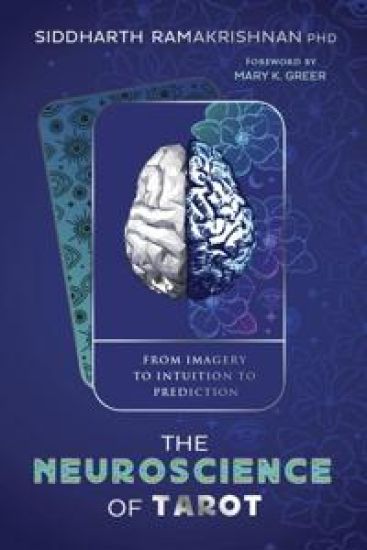
What happens inside your brain when you look at a tarot card? How do you attribute significance to symbols? In this book, Siddharth Ramakrishnan answers these questions and more as he explores the neuroscience behind intuition and proves that tarot readers aren't just making up their results. Learn how your body and brain work together to process images, attach meaning, and elicit emotional responses, laying the groundwork for prediction. Filled with digestible explanations and dozens of exercises, this full-color, illustrated book teaches you what intuition is scientifically and how to enhance it for more accurate readings. 'The Neuroscience of Tarot brilliantly bridges scientific rigor and mystical intuition. This unique and important book demystifies the complexities of neuroscience, presenting them in a manner accessible to all readers.' Mat Auryn, author of Psychic Witch and Mastering Magic.
A unique edition of bright texts, brilliant images, and historic reprints, this kit provides everything that both beginners and advanced Tarot users might need and want to read cards for themselves and to study and experience this cultural gem in all its beauty and significance.The valuable collector’s box includes a complete deck of the Waite Smith Tarot cards and Waite’s famous companion book The Key to the Tarot. In this illustrated book, with texts and images compiled by Johannes Fiebig, the Tarot cards become psychological mirrors and signposts leading toward new answers and personal solutions. The fact that this works well can be attributed to certain advantages inherent to the Waite-Smith cards, and these points are illuminated in an essay by Rachel Pollack.All 78 cards are presented individually and in detail. The explanatory texts provide several dimensions and levels of interpretation, including concrete practical tips. Further, the book offers a new feature: the quick check. This presents a concise hint regarding the meaning of each card in each possible position of all the spread patterns featured in the book.When Arthur E. Waite and Pamela Colman Smith developed their Tarot deck in London in 1909, nobody could have predicted that it would have an overwhelming renaissance starting around 60 years later. What were the lives, works, and passions of these creators like? Pamela Colman Smith and Arthur E. Waite are brought vividly back to life in essays by Mary K. Greer and Robert A. Gilbert.
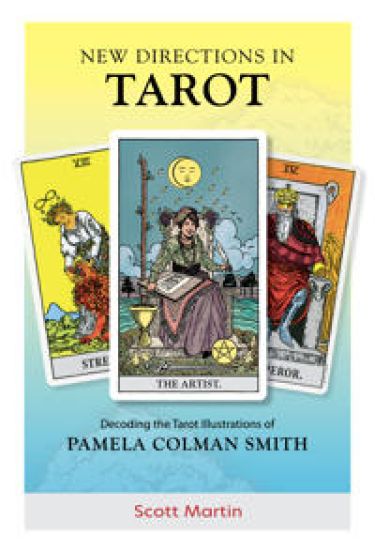
A look at how Pamela Colman Smith's theatrical knowledge and experience came into play when she drew the iconic cards of the Rider-Waite-Smith deck. The “secrets” in this book have been known all along, and they work in all who read Tarot on a subconscious level. This insightful book delves deeply into the images Pamela Colman Smith created for the Rider-Waite-Smith Tarot, and reminds us of what we may have known intuitively but had not been aware of on a conscious level. • A brand-new approach that focuses on how, in her images, Smith utilized a sense of direction, body movement, posture, gait, facial expression, and more • Compares the Tarot Minors to technical elements of theater, including plot, conflict, elements of a play, thought/theme, dialogue, music, and actors’ positions on stage • Provides powerful tools for interpreting the cards and discovering new meanings that the reader can make their own • Includes thought-provoking exercises that guide the reader in the mastery of these new insights The result is a fresh take on Tarot that brings new meanings to light and enables the reader to evaluate what the Tarot provides like never before.
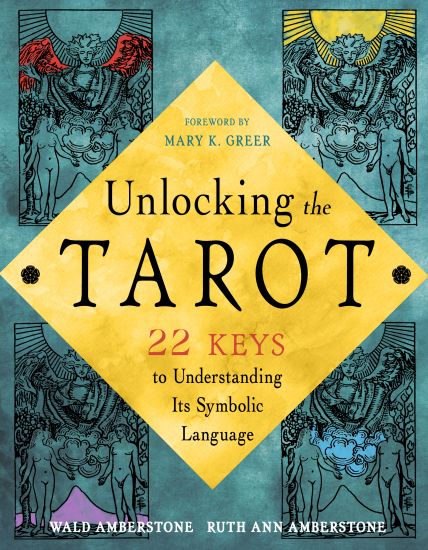
Reveals the hidden current of symbolic meanings and connections between the 22 major cards; a must-have for any serious tarot reader that is written in accessible language for the novice as well. Unlocking the Tarot sets itself apart from other tarot books by teaching readers how to translate the pictorial symbolism from one deck to another, strengthening the reader's ability to recognize specific icons in any deck and in the world around them. It can be used as both a reference book and as a series of guided meditations on the individual symbols. Each of the seven chapters contain a set of symbols that share a common theme. Extensive research provides readers with the lore and mythological meanings of the symbols to help foster intuitive powers. The explanation of imagery is both insightful and eclectic. Unlocking the Tarot reveals a hidden current of understanding and connection between the 22 majors of the tarot deck. Each chapter ends with an Integration Lesson and a special Symbol Spread to deepen an understanding of the cards. Unlocking the Tarot brings imagery and intuition into a course of study of the tarot. Unlocking the Tarot was previously published in 2008 as The Secret Language of the Tarot (9781578634163).
A unique edition of bright texts, brilliant images, and historic reprints, this kit provides everything that both beginners and advanced Tarot users might need and want to read cards for themselves and to study and experience this cultural gem in all its beauty and significance.The valuable collector’s box includes a complete deck of the Waite Smith Tarot cards and Waite’s famous companion book The Key to the Tarot. In this illustrated book, with texts and images compiled by Johannes Fiebig, the Tarot cards become psychological mirrors and signposts leading toward new answers and personal solutions. The fact that this works well can be attributed to certain advantages inherent to the Waite-Smith cards, and these points are illuminated in an essay by Rachel Pollack.All 78 cards are presented individually and in detail. The explanatory texts provide several dimensions and levels of interpretation, including concrete practical tips. Further, the book offers a new feature: the quick check. This presents a concise hint regarding the meaning of each card in each possible position of all the spread patterns featured in the book.When Arthur E. Waite and Pamela Colman Smith developed their Tarot deck in London in 1909, nobody could have predicted that it would have an overwhelming renaissance starting around 60 years later. What were the lives, works, and passions of these creators like? Pamela Colman Smith and Arthur E. Waite are brought vividly back to life in essays by Mary K. Greer and Robert A. Gilbert.
Arthur E. Waite, a modern mystic, created together with Pamela Colman Smith the most influential Tarot deck. With a selection of more than 800 images and texts, the pioneer of Tarot history, Johannes Fiebig contextualizes this unique deck. The kit includes facsimiles of the 1910 original edition of the cards and of A. E. Waiteâ??s Key to the Tarot.
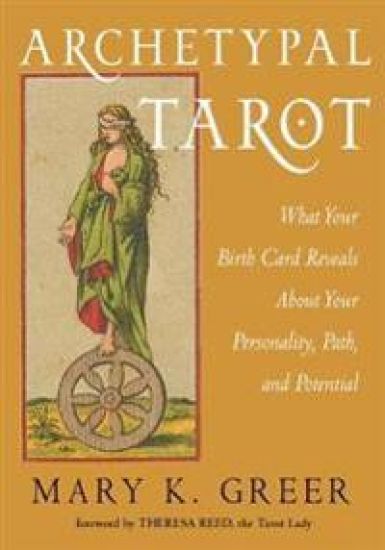
"A fantastic book that gives deep insights into your personality, life, and journey based on your birth card." --Theresa Reed The tarot cards associated with your birth date and name form a pattern of personal destiny. They describe the theme of your life--the challenges and the gifts. In Archetypal Tarot, popular tarot practitioner and astrologer Mary Greer connects astrology and numerology to the tarot to create an in-depth personality profile that anyone can use for self-realization and personal harmony. Greer takes readers on a personal exploration of how the tarot can be used as a tool for learning more about themselves and others. The book includes: Detailed instructions, charts, and exercises on how to determine your soul and personality cardsHow to determine your year card and name cardThe opportunities and challenges you will faceJournaling and exploratory exercisesArchetypal Tarot is a valuable tool for anyone wishing to learn how to use the tarot to interpret their strengths, challenges, and innermost desires. All you need is a pen and your date of birth and you can learn to cast your own tarot chart.
A Weiser Classics edition of this occult classic--celebrating its 90th publishing anniversary--includes a new introduction by Mary K. Greer and other new material. After finding herself the subject of a powerful psychic attack in the 1930s, famed British occultist Dion Fortune wrote this detailed instruction manual on protecting oneself from paranormal attack. This classic psychic self-defense guide explains how to understand the signs of a psychic attack, vampirism, hauntings, and methods of defense. Everything you need to know about the methods, motives, and physical aspects of a psychic attack and how to overcome it is here, along with a look at the role psychic elements play in mental illness and how to recognize them. This is one of the best guides to detection and defense against psychic attack from one of the leading occult writers of the twentieth century.
The tarot classic that first promoted the practice of reading the cards not just for others but for one's own personal insight and self-transformation"Tarot for Your Self was ground-breaking when this book was first published and is still radically significant today." --Benebell Wen, author of Holistic Tarot"Deciding to work with the Tarot is like embarking on a long, inward journey."--Mary K. GreerThis tarot classic by Mary K. Greer was the first book to promote reading the cards for your own insight, revolutionizing tarot through a combined emphasis on self-teaching techniques and personal growth. Tarot for Your Self uses meditations, rituals, spreads, mandalas, visualizations, dialogues, charts, affirmations, and other activities to help you establish your own relationship with the cards. All the information is presented using the best in traditional knowledge and know-how. This powerful breakthrough process will turn all your readings into truly transformative experiences. Tarot for Your Self covers interpretations for the major and minor arcana, reversed card meanings for all 78 cards, and enlightening information on your shadow/teacher cards.Replaces ISBN 978-1-56414-588-8
This highly innovative work presents a piercing interpretation of the tarot in terms of Jungian psychology. Through analogies to the humanities, mythology, and the graphic arts, the significance of the cards is related to personal growth and what Jung termed "individuation."
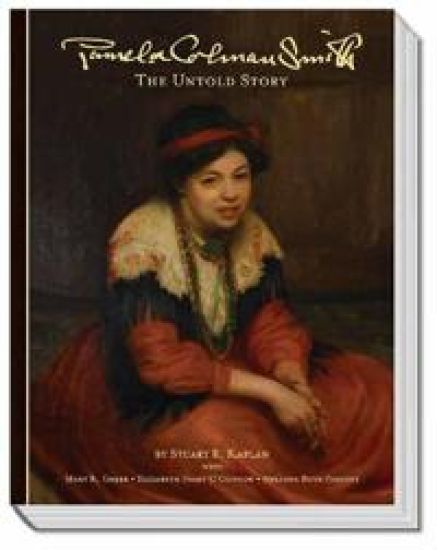
Pamela Colman Smith: The Untold Story brings together the work of four distinguished scholars who have devoted years of research to uncover the life and artistic accomplishments of Pamela Colman Smith. Known to millions as the creator of the Rider-Waite Tarot deck, Pamela Colman Smith (1878""1951) was also a stage and costume designer, folklorist, poet, author, illustrator of ballads and folktales, suffragette, and publisher of books and broadsheets. This collaborative work presents: a richly illustrated biography of Pamela's life with essays on the events and people that influenced her including Jack Yeats, Ellen Terry, Alfred Stieglitz, Bram Stoker and William Gillette. There is also a chronological survey of her folktales, art and poetry and an exploration of her lasting legacy. Over 400 color images of Pamela's non-tarot art have been curated from her publications including A Broad Sheet, The Green Sheaf, Blue Beard, Annancy stories, Russian ballet, costumes, stage designs, Iri
Just who are those kings, queens, knights, and pages in the Tarot deck? Generally considered the most difficult part of the Tarot to interpret, they actually represent different characters or personalities that are aspects of ourselves. Two esteemed Tarot scholars unmask the court cards with details not found in any other book. They bring the Tarot court cards to life, showing their full human possibilities.
These four remarkable women, core members of the Hermetic Order of the Golden Dawn, left a lasting imprint on the politics, literature, and theater of 19th-century Europe. Less well-known than the famous men in their lives, including Yeats and Shaw, their stories are now told.