Kirjojen hintavertailu. Mukana 12 595 353 kirjaa ja 12 kauppaa.

Kirjailija

Mary Klages

Kirjat ja teokset yhdessä paikassa: 8 kirjaa, julkaisuja vuosilta 1999-2017, suosituimpien joukossa Literary Theory: The Complete Guide. Vertaile teosten hintoja ja tarkista saatavuus suomalaisista kirjakaupoista.

8 kirjaa

Kirjojen julkaisuhaarukka 1999-2017.

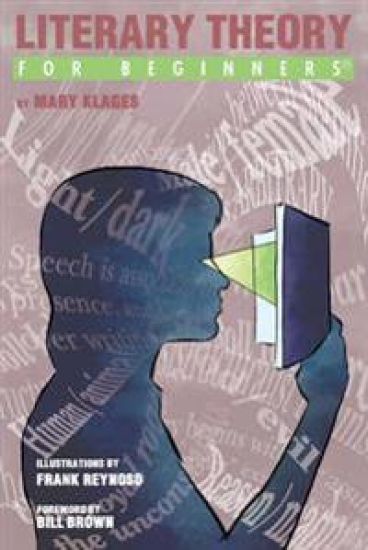
Literary Theory for Beginners

Literary Theory for Beginners

Mary Klages; Bill Brown

For Beginners
2017
nidottu
Have you heard the terms structuralism and deconstruction and postmodernism but aren't really sure what they mean? Have you taken a whole course on literary criticism but are still feeling lost? Here's the book you need to sort it all out--and enjoy doing so In Literary Theory For Beginners, Mary Klages takes you into her classroom, cuts through the jargon, and explains the ABCs (and the DEFs as well) in terms you can get your head around. Her breadth of knowledge, her unique skills as a teacher, and the delightful illustrations of Frank Reynoso help us understand why literature matters, how it affects us, and how it reflects history, culture, and diversity. Here are ways of thinking about literature--not just reading it--methods of study and frameworks of interpretation from classical humanism all the way up to psychoanalysis, gender and queer theory, race, postcolonialism, and, yes, postmodernismWith wit and wisdom, Klages takes on the two most frequently asked questions about literature and makes it all fun: What does the work MEAN? (What is the deeper, hidden, or symbolic meaning? Did the author intend all these meanings? Are any and all meanings present in the text? Are all meanings equally valid?)What does the work DO? (Why is literature important? What effect does it have on the reader? How can literature be a force for social change?)So sit back, relax, and take it all in
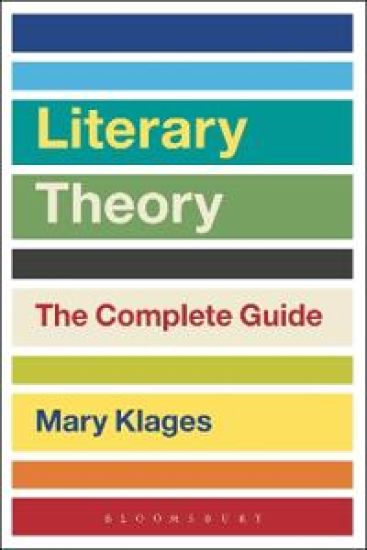
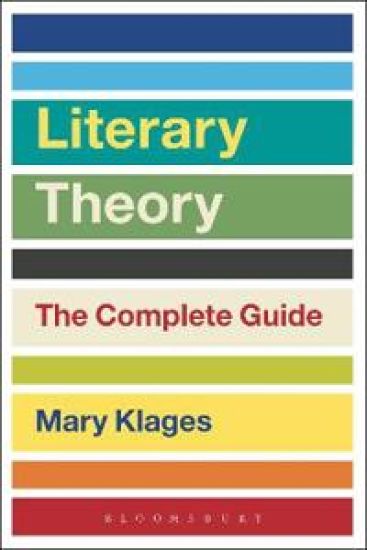
Literary Theory: The Complete Guide

Literary Theory: The Complete Guide

Mary Klages

Bloomsbury Academic
2017
nidottu
Bringing together Mary Klages’s bestselling introductory books Literary Theory: A Guide for the Perplexed and Key Terms in Literary Theory into one fully integrated and substantially revised, expanded and updated volume, this is an accessible and authoritative guide for anyone entering the often bewildering world of literary theory for the first time. Literary Theory: The Complete Guide includes: · Accessible chapters on all the major schools of theory from deconstruction through psychoanalytic criticism to Marxism and postcolonialism · New chapters introducing ecocriticism and biographies · Expanded and updated guides to feminist theory, queer theory, postmodernism and globalization · New and fully integrated extracts of theoretical and literary texts to guide students through their use of theory · Accessible coverage of major theorists such as Saussure, Freud, Lacan, Foucault, Cixous, Deleuze and Guattari and BhabhaEach chapter now includes reflection questions for class discussion or independent study and a cross-referenced glossary of key terms covered, as well as updated guides to further reading on each topic. Literary Theory: The Complete Guide is an essential starting point for students of critical theory.
Literary Theory: The Complete Guide

Literary Theory: The Complete Guide

Mary Klages

Bloomsbury Academic
2017
sidottu
Bringing together Mary Klages’s bestselling introductory books Literary Theory: A Guide for the Perplexed and Key Terms in Literary Theory into one fully integrated and substantially revised, expanded and updated volume, this is an accessible and authoritative guide for anyone entering the often bewildering world of literary theory for the first time. Literary Theory: The Complete Guide includes: · Accessible chapters on all the major schools of theory from deconstruction through psychoanalytic criticism to Marxism and postcolonialism · New chapters introducing ecocriticism and biographies · Expanded and updated guides to feminist theory, queer theory, postmodernism and globalization · New and fully integrated extracts of theoretical and literary texts to guide students through their use of theory · Accessible coverage of major theorists such as Saussure, Freud, Lacan, Foucault, Cixous, Deleuze and Guattari and BhabhaEach chapter now includes reflection questions for class discussion or independent study and a cross-referenced glossary of key terms covered, as well as updated guides to further reading on each topic. Literary Theory: The Complete Guide is an essential starting point for students of critical theory.
Key Terms in Literary Theory

Key Terms in Literary Theory

Mary Klages

Continuum Publishing Corporation
2012
sidottu
Students of literature, film and cultural studies need to understand key theoretical terms and concepts but often find it hard to get to grips with exactly what they mean. This book provides precise definitions of terms and concepts in literary theory, along with explanations of the major movements and figures in literary and cultural theory and an extensive bibliography. It is designed for the student who needs to know what a particular term means, how it is used, and where it comes from, and enables them to apply the terms and concepts to their own investigations. The three part structure provides clear definitions of key terms and ideas, introductions to major figures including biographical and historical overviews and an annotated guide to important works. This invaluable resource provides readers with an easily accessible and comprehensive reference guide to literary and cultural theory.
Key Terms in Literary Theory

Key Terms in Literary Theory

Mary Klages

Continuum Publishing Corporation
2012
nidottu
This is a guide to key terms in literary theory - designed to make difficult terms, concepts and theorists accessible and understandable. Students of literature, film and cultural studies need to understand key theoretical terms and concepts but often find it hard to get to grips with exactly what they mean. This book provides precise definitions of terms and concepts in literary theory, along with explanations of the major movements and figures in literary and cultural theory and an extensive bibliography. It is designed for the student who needs to know what a particular term means, how it is used, and where it comes from, and enables them to apply the terms and concepts to their own investigations. The three part structure provides clear definitions of key terms and ideas, introductions to major figures including biographical and historical overviews and an annotated guide to important works. This invaluable resource provides readers with an easily accessible and comprehensive reference guide to literary and cultural theory. "The Key Terms series" offers undergraduate students clear, concise and accessible introductions to core topics. Each book includes a comprehensive overview of the key terms, concepts, thinkers and texts in the area covered and ends with a guide to further resources.
Literary Theory

Literary Theory

Mary Klages

BLOOMSBURY PUBLISHING PLC
2006
sidottu
Continuum's Guides for the Perplexed are clear, concise and accessible introductions to thinkers, writers and subjects that students and readers can find especially challenging. Concentrating specifically on what it is that makes the subject difficult to fathom, these books explain and explore key themes and ideas, guiding the reader towards a thorough understanding of demanding material. This Guide provides an advanced introduction to literary theory from basic information and orientation for the uninformed leading on to more sophisticated readings. It engages directly with the difficulty many students find intimidating, asking 'What is "Literary Theory"?' and offering a clear, concise, accessible guide to the major theories and theorists, including: humanism; structuralism; poststructuralism; psychoanalytic approaches; feminist approaches; queer theory; ideology and discourse; new historicism; race and postcolonialism; postmodernism. The final chapter points to new directions in literary and cultural theory.
Literary Theory: A Guide for the Perplexed

Literary Theory: A Guide for the Perplexed

Mary Klages

Continuum International Publishing Group Ltd.
2006
nidottu
This "Guide for the Perplexed" provides an advanced introduction to literary theory from basic information and orientation for the uninformed leading on to more sophisticated readings. It engages directly with the difficulty many students find intimidating, asking 'What is "Literary Theory"?' and offering a clear, concise, accessible guide to the major theories and theorists, including: humanism; structuralism; poststructuralism; psychoanalytic approaches; feminist approaches; queer theory; ideology and discourse; new historicism; race and postcolonialism; and postmodernism. The final chapter points to new directions in literary and cultural theory.
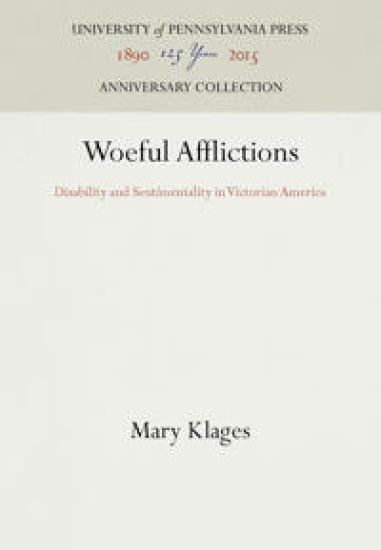
Woeful Afflictions

Woeful Afflictions

Mary Klages

University of Pennsylvania Press
1999
sidottu
From Tiny Tim to Helen Keller, disabled people in the nineteenth century were portrayed in sentimental terms, as afflicted beings whose sufferings afforded ablebodied people opportunities to practice empathy and compassion. In all kinds of representations of disability, from popular fiction to the reports of institutions established for the education and rehabilitation of disabled people, the equation of disability and sentimentality served a variety of social functions, from ensuring the continued existence of a sympathetic sensibility in a hard-hearted, market-driven world, to asserting the selfhood and equality of disabled adults. Unique in its focus on blindness and its examination of the interplay between institutional discourse and popular literature, Woeful Afflictions offers a detailed historical analysis of the types of cultural work performed by sentimental representations of disability in public reports and lectures, exhibitions, novels, stories, poems, autobiographical writings, and popular media portrayals from the 1830s through the 1890s in the United States. Woeful Afflictions combines contemporary scholarship on sentimentalism with the most recent works on the cultural meanings of disability to argue that sentimentalism, with its emphasis on creating emotional identifications between texts and readers, both reinforces existing associations between disability and otherness and works to rewrite those associations in portraying disabled people, in their emotional capacities, as no different from the ablebodied. This book will interest anyone concerned with disability studies and the social construction of the body, with the history of education and of public institutional care in the United States, and with autobiographical writings.