Kirjojen hintavertailu. Mukana 12 519 577 kirjaa ja 12 kauppaa.

Kirjailija

Mary Mudd

Kirjat ja teokset yhdessä paikassa: 5 kirjaa, julkaisuja vuosilta 2018-2022, suosituimpien joukossa The Lion and The Scorpion. Vertaile teosten hintoja ja tarkista saatavuus suomalaisista kirjakaupoista.

5 kirjaa

Kirjojen julkaisuhaarukka 2018-2022.

The Lion and The Scorpion

The Lion and The Scorpion

Mary Mudd

Omnibook Co.
2022
pokkari
Twice married and twice divorced: could the Roman emperor Tiberius have had a third liaison about which no information exists? Certain nuances in extant historical evidence lend credence to this possibility.Presented as an autobiography of Tiberius' fictitious third wife, The Lion and the Scorpion offers a rousing and often saucy tale of self-discovery and fulfillment; of life-threatening dangers; of bereavement and forgiveness; of marital romance and commitment; of familial conflicts, woes and tragedies, mitigated and overruled by affection and loyalty. Written by a Ph.D. specialist of the historical period, it alters neither the genuine historical record nor modern scholars' assessment of the actual persons represented. Let this literary adventure transport you to the dawning of the Roman Empire, and into the milieu of the First Family of that regime.
The Lion and The Scorpion

The Lion and The Scorpion

Mary Mudd

Omnibook Co.
2022
sidottu
Twice married and twice divorced: could the Roman emperor Tiberius have had a third liaison about which no information exists? Certain nuances in extant historical evidence lend credence to this possibility.Presented as an autobiography of Tiberius' fictitious third wife, The Lion and the Scorpion offers a rousing and often saucy tale of self-discovery and fulfillment; of life-threatening dangers; of bereavement and forgiveness; of marital romance and commitment; of familial conflicts, woes and tragedies, mitigated and overruled by affection and loyalty. Written by a Ph.D. specialist of the historical period, it alters neither the genuine historical record nor modern scholars' assessment of the actual persons represented. Let this literary adventure transport you to the dawning of the Roman Empire, and into the milieu of the First Family of that regime.
I, Livia

I, Livia

Mary Mudd

Omnibook Co.
2022
pokkari
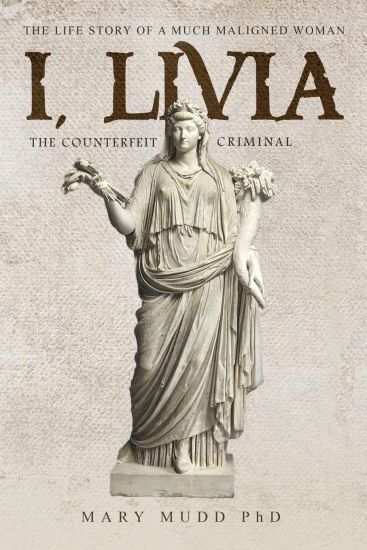
A historical tradition of Roman origin represents Livia Drusilla, the third and much-beloved wife of Caesar Augustus, as a conniving, Borgia-like criminal. This view of Livia maintains that to promote the political career of her son by her former husband, Livia killed or incapacitated Augustus' descendants through his previous wife. Author Robert Graves, in his famous novel, I, Claudius, based his fictitious rendering of Livia upon this malevolent representation of her. The conceit is patently wrong, and essentially all modern scholars of Roman history reject it. But thanks to Graves' immensely entertaining book, and the British Broadcasting Corporation adaptation of it for television, the image of Livia as a devious dynastic murderess prevails in the popular mind.I, Livia: The Counterfeit Criminal aspires to correct the misconception, and present an accurate assessment of this much-maligned woman. The study's comfortably readable style is intended for general audiences. The first three chapters present a biographical sketch, focused upon Livia's public life. Livia was accepted as an extraordinarily visible, dynamic and influential political personage, by a society and culture which maintained women must confine their activities childrearing and other domestic pursuits. The following two chapters demonstrate the absurdity of Livia's criminal reputation, and offer explanation for its development. Three subsequent chapters seek Livia's private side - her habits, tastes, and interpersonal relationships. Livia (who suffered from colds and chronic arthritis) was an amiable soul with a self-deprecating sense of humor. She was a loving, supportive, forbearant wife and mother, an intellectual with profound political insights, an enthusiastic traveller, a connoisseur of art. Although generally patient and demure, she could also be impulsive, assertive, opinionated and, especially in later life, petulant. The final chapter examines how Livia became, and remained, a symbol of Roman imperial power. The brief epilogue describes the physical appearances of Livia and the members of her family. Also included are relevant appendices, a comprehensive bibliography, and color images of surviving wall paintings from her homes.
I, Livia

I, Livia

Mary Mudd

Omnibook Co.
2018
pokkari
A historical tradition of Roman origin represents Livia Drusilla, the third and much beloved wife of Caesar Augustus, as a conniving, Borgia-like criminal. This view of Livia maintains, that to promote the political career of her son by her former husband, Livia killed or incapacitated Augustus' descendants through his previous wife. Author Robert Graves, in his famous novel, I, Claudius, based his fictitious rendering of Livia upon this malevolent representation of her. The conceit is patently wrong, and essentially all modern scholars of Roman history reject it. But thanks to Graves' immensely entertaining book, and the British Broadcasting Corporation adaptation of it for television, the image of Livia as a devious dynastic murderess prevails in the popular mind.I, Livia: The Counterfeit Criminal aspires to correct the misconception, and present an accurate assessment of this much-maligned woman. The study's comfortably readable style is intended for general audiences.The first three chapters present a biographical sketch, which focuses on Livia's public life. Livia was accepted as an extraordinarily visible, dynamic and influential political personage, by a society and culture which maintained women must confine their activities childrearing and other domestic pursuits. The following two chapters demonstrate the absurdity of Livia's criminal reputation, and offer explanation for its development.Three subsequent chapters seek Livia's private side -- her habits, tastes, and interpersonal relationships. Livia (who suffered from colds and chronic arthritis) was an amiable soul, with a self-deprecating sense of humor. She was a loving, supportive, forbearant wife and mother, an intellectual with profound political insights, an enthusiastic traveller, a connoisseur of art. Although generally patient and demure, she could also be impulsive, assertive, opinionated and, especially in later life, petulant.The final chapter examines how Livia became, and remained, a symbol of Roman imperial power. The brief epilogue describes the physical appearances of Livia and the members of her family. Also included are relevant appendices, a comprehensive bibliography, and color images of surviving wall paintings from her homes.
I, Livia

I, Livia

Mary Mudd

Omnibook Co.
2018
sidottu
The Counterfeit Criminal aspires to correct the misconception, and present an accurate assessment of this much-maligned woman. The study's comfortably readable style is intended for general audiences. The first three chapters present a biographical sketch, which focuses on Livia's public life. Livia was accepted as an extraordinarily visible, dynamic and influential political personage, by a society and culture which maintained women must confine their activities childrearing and other domestic pursuits. The following two chapters demonstrate the absurdity of Livia's criminal reputation, and offer explanation for its development. Three subsequent chapters seek Livia's private side -- her habits, tastes, and interpersonal relationships. Livia (who suffered from colds and chronic arthritis) was an amiable soul, with a self-deprecating sense of humor. She was a loving, supportive, forbearant wife and mother, an intellectual with profound political insights, an enthusiastic traveler, a connoisseur of art. Although generally patient and demure, she could also be impulsive, assertive, opinionated and, especially in later life, petulant. The final chapter examines how Livia became, and remained, a symbol of Roman imperial power. The brief epilogue describes the physical appearances of Livia and the members of her family. Also included are relevant appendices, a comprehensive bibliography, and color images of surviving wall paintings from her homes.