Kirjojen hintavertailu. Mukana 12 595 353 kirjaa ja 12 kauppaa.

Kirjailija

Matilda Mroz

Kirjat ja teokset yhdessä paikassa: 6 kirjaa, julkaisuja vuosilta 2012-2022, suosituimpien joukossa Remembering Katyn. Vertaile teosten hintoja ja tarkista saatavuus suomalaisista kirjakaupoista.

6 kirjaa

Kirjojen julkaisuhaarukka 2012-2022.

Remembering Katyn

Remembering Katyn

Alexander Etkind; Rory Finnin; Uilleam Blacker; Julie Fedor; Simon Lewis; Maria Mälksoo; Matilda Mroz

Polity Press
2012
sidottu
Katyn– the Soviet massacre of over 21,000 Polish prisoners in 1940 – has come to be remembered as Stalin’s emblematic mass murder, an event obscured by one of the most extensive cover-ups in history. Yet paradoxically, a majority of its victims perished far from the forest in western Russia that gives the tragedy its name. Their remains lie buried in killing fields throughout Russia, Ukraine and, most likely, Belarus. Today their ghosts haunt the cultural landscape of Eastern Europe. This book traces the legacy of Katyn through the interconnected memory cultures of seven countries: Belarus, Poland, Russia, Ukraine, and the Baltic States. It explores the meaning of Katyn as site and symbol, event and idea, fact and crypt. It shows how Katyn both incites nationalist sentiments in Eastern Europe and fosters an emerging cosmopolitan memory of Soviet terror. It also examines the strange impact of the 2010 plane crash that claimed the lives of Poland’s leaders en route to Katyn. Drawing on novels and films, debates and controversies, this book makes the case for a transnational study of cultural memory and navigates a contested past in a region that will define Europe’s future.

Remembering Katyn

Remembering Katyn

Alexander Etkind; Rory Finnin; Uilleam Blacker; Julie Fedor; Simon Lewis; Maria Mälksoo; Matilda Mroz

Polity Press
2012
nidottu
Katyn– the Soviet massacre of over 21,000 Polish prisoners in 1940 – has come to be remembered as Stalin’s emblematic mass murder, an event obscured by one of the most extensive cover-ups in history. Yet paradoxically, a majority of its victims perished far from the forest in western Russia that gives the tragedy its name. Their remains lie buried in killing fields throughout Russia, Ukraine and, most likely, Belarus. Today their ghosts haunt the cultural landscape of Eastern Europe. This book traces the legacy of Katyn through the interconnected memory cultures of seven countries: Belarus, Poland, Russia, Ukraine, and the Baltic States. It explores the meaning of Katyn as site and symbol, event and idea, fact and crypt. It shows how Katyn both incites nationalist sentiments in Eastern Europe and fosters an emerging cosmopolitan memory of Soviet terror. It also examines the strange impact of the 2010 plane crash that claimed the lives of Poland’s leaders en route to Katyn. Drawing on novels and films, debates and controversies, this book makes the case for a transnational study of cultural memory and navigates a contested past in a region that will define Europe’s future.
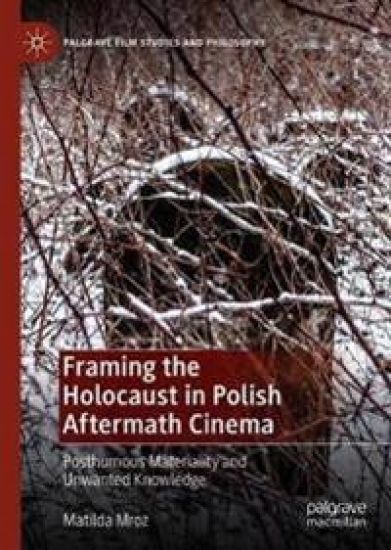
Framing the Holocaust in Polish Aftermath Cinema
This book offers a unique perspective on contemporary Polish cinema’s engagement with histories of Polish violence against their Jewish neighbours during the Holocaust. Moving beyond conventional studies of historical representation on screen, the book considers how cinema reframes the unwanted knowledge of violence in its aftermaths. The book draws on Derridean hauntology, Didi-Huberman’s confrontations with art images, Levinasian ethics and anamorphosis to examine cinematic reconfigurations of histories and memories that are vulnerable to evasion and formlessness. Innovative analyses of Birthplace (Lozinski, 1992), It Looks Pretty From a Distance (Sasnal, 2011), Aftermath (Pasikowski, 2012), and Ida (Pawlikowski, 2013) explore how their rural filmic landscapes are predicated on the radical exclusion of Jewish neighbours, prompting archaeological processes of exhumation. Arguing that the distressing materiality of decomposition disturbs cinematic composition, the book examines how Poland’s aftermath cinema attempts to recompose itself through form and narrative as it faces Polish complicity in Jewish death.
Framing the Holocaust in Polish Aftermath Cinema
This book offers a unique perspective on contemporary Polish cinema’s engagement with histories of Polish violence against their Jewish neighbours during the Holocaust. Moving beyond conventional studies of historical representation on screen, the book considers how cinema reframes the unwanted knowledge of violence in its aftermaths. The book draws on Derridean hauntology, Didi-Huberman’s confrontations with art images, Levinasian ethics and anamorphosis to examine cinematic reconfigurations of histories and memories that are vulnerable to evasion and formlessness. Innovative analyses of Birthplace (Lozinski, 1992), It Looks Pretty From a Distance (Sasnal, 2011), Aftermath (Pasikowski, 2012), and Ida (Pawlikowski, 2013) explore how their rural filmic landscapes are predicated on the radical exclusion of Jewish neighbours, prompting archaeological processes of exhumation. Arguing that the distressing materiality of decomposition disturbs cinematic composition, the book examines how Poland’s aftermath cinema attempts to recompose itself through form and narrative as it faces Polish complicity in Jewish death.
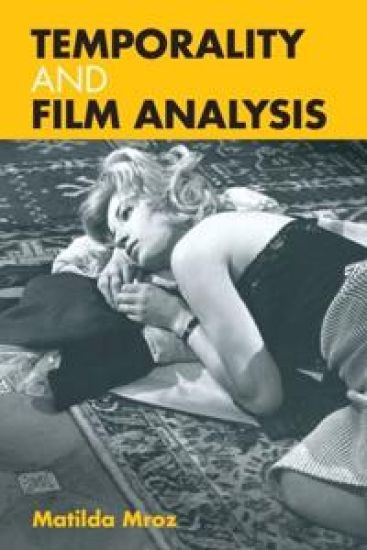
Temporality and Film Analysis

Temporality and Film Analysis

Matilda Mroz

Edinburgh University Press
2013
nidottu
This book places the concept of duration at the centre of an understanding of cinema and spectatorship. The process of aesthetic imaging in time is a unique and fascinating characteristic of cinema. Why, then, has temporality, and specifically duration, received so little attention in theoretical accounts of film experience? This book makes the concept of duration the central tenet in an understanding of cinema and spectatorship. From this vantage point, the book reviews two major strands of film theory: embodied viewing and the senses, and the film-philosophy of Gilles Deleuze. Unlike much contemporary film theory, Mroz's book emphasises the necessity of considering the close relationship between intellectual comprehension and sensual apprehension, as mediated through film aesthetics. In the duration of the film experience, sensual responses to filmed textures and the interpretive contexts that we inevitably bring to bear on films are continually interacting. Exactly how this occurs is demonstrated in detailed case studies of films by Antonioni (L'Avventura), Tarkovsky (Mirror) and Kieslowski (The Decalogue).
Temporality and Film Analysis

Temporality and Film Analysis

Matilda Mroz

Edinburgh University Press
2012
sidottu
This book presents a new approach to the issue of temporality in film. Matilda Mroz argues that cinema provides an ideal opportunity to engage with ideas of temporal flow and change. Temporality, however, remains an underexplored area of film analysis, which frequently discusses images as though they were still rather than moving. This book traces the operation of duration in cinema, and argues that temporality should be a central concern of film scholarship. In close readings of Michelangelo Antonioni's "L'Avventura", Andrei Tarkovsky's "Mirror", and the ten short films that make up Krzysztof Kieslowski's "Decalogue" series, Mroz highlights how film analysis must consider both particular moments in cinema which are critically significant, and the way in which such moments interrelate in temporal flux. She explores the concepts of duration and rhythm, resonance and uncertainty, affect, sense and texture, to bring a fresh perspective to film analysis and criticism. Essential reading for students and scholars in Film Studies, this engaging study will also be a valuable resource for critical theorists.