Kirjojen hintavertailu. Mukana 12 595 353 kirjaa ja 12 kauppaa.

Kirjailija

Matjaz Ursic

Kirjat ja teokset yhdessä paikassa: 2 kirjaa, julkaisuja vuosilta 2020-2021, suosituimpien joukossa Creativity in Tokyo. Vertaile teosten hintoja ja tarkista saatavuus suomalaisista kirjakaupoista.

2 kirjaa

Kirjojen julkaisuhaarukka 2020-2021.

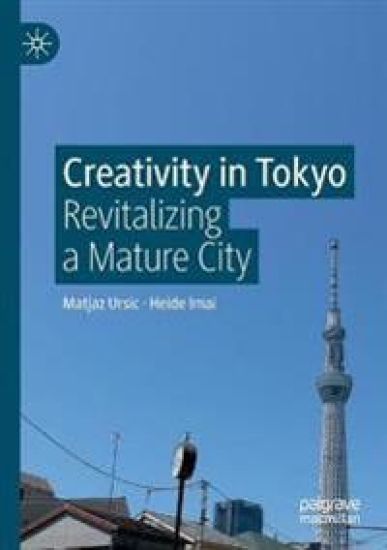
Creativity in Tokyo

Creativity in Tokyo

Matjaz Ursic; Heide Imai

SPRINGER VERLAG, SINGAPORE
2021
nidottu
This book focuses on overlooked contextual factors that constitute the urban creative climate or innovative urban milieu in contemporary cities. Filled with reflections based on interviews with a diverse range of creative actors in various local neighborhoods in Tokyo, it offers a rare glimpse into the complex set of elements that provide long-term, physical, and sociocultural support to urban creativity. Ursic and Imai highlight the interplay between physical and soft (social) factors in the process of place-making and explore how a city’s creativity is influenced by financial support and accessible infrastructure, as well as the sets of informal networks, services, and tacit, locally embedded knowledge that provide the basic layers of stimuli needed for creativity to fully develop. The authors show how the future development of creativity and the overall development of a city depend not only on the (top-down) planning strategies of formal authorities, but also on the appropriate (bottom-up) inclusion of heterogeneous elements that are provided and embedded within the small, hidden context of city spaces.
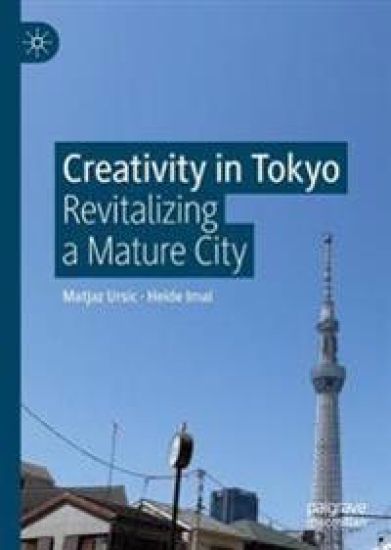
Creativity in Tokyo

Creativity in Tokyo

Matjaz Ursic; Heide Imai

Springer Verlag, Singapore
2020
sidottu
This book focuses on overlooked contextual factors that constitute the urban creative climate or innovative urban milieu in contemporary cities. Filled with reflections based on interviews with a diverse range of creative actors in various local neighborhoods in Tokyo, it offers a rare glimpse into the complex set of elements that provide long-term, physical, and sociocultural support to urban creativity. Ursic and Imai highlight the interplay between physical and soft (social) factors in the process of place-making and explore how a city’s creativity is influenced by financial support and accessible infrastructure, as well as the sets of informal networks, services, and tacit, locally embedded knowledge that provide the basic layers of stimuli needed for creativity to fully develop. The authors show how the future development of creativity and the overall development of a city depend not only on the (top-down) planning strategies of formal authorities, but also on the appropriate (bottom-up) inclusion of heterogeneous elements that are provided and embedded within the small, hidden context of city spaces.