Kirjojen hintavertailu. Mukana 12 390 323 kirjaa ja 12 kauppaa.

Kirjailija

Matthew C. Bagger

Kirjat ja teokset yhdessä paikassa: 3 kirjaa, julkaisuja vuosilta 1999-2009, suosituimpien joukossa The Uses of Paradox. Vertaile teosten hintoja ja tarkista saatavuus suomalaisista kirjakaupoista.

3 kirjaa

Kirjojen julkaisuhaarukka 1999-2009.

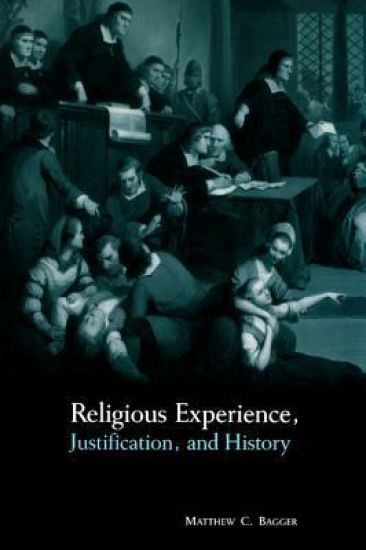
Religious Experience, Justification, and History

Religious Experience, Justification, and History

Matthew C. Bagger

Cambridge University Press
2009
pokkari
Many philosophers of religion have sought to defend the rationality of religious belief by shifting the burden of proof onto the critic of religious belief. Some have appealed to extraordinary religious experience in making their case. Religious Experience, Justification and History restores neglected explanatory and historical considerations to the debate. Through a study of William James, it contests the accounts of religious experience offered in recent works. Through reflection on the history of philosophy, it also unravels the philosophical use of the term 'justification'. Matthew Bagger argues that the commitment to supernatural explanations implicit in the religious experiences employed to justify religious belief contradicts the modern ideal of human flourishing. For contrast, and to demonstrated the indispensability of history, he includes a study of Teresa of Avila's mystical theology. The controversial supernatural explanations implicit in extraordinary religious experience places the burden of proof on the believer.
The Uses of Paradox

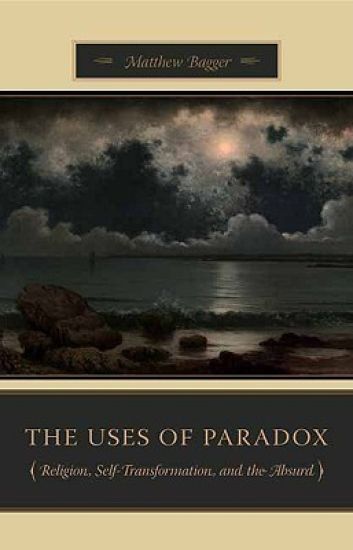
The Uses of Paradox

Matthew C. Bagger

Columbia University Press
2007
sidottu
In this groundbreaking comparative study, Matthew Bagger investigates the role of paradox in Western and Asian religious discourse. Drawing on both philosophy and social scientific theory, he offers a naturalistic explanation of religion's oft-noted propensity to sublime paradox and argues that religious thinkers employ intractable paradoxes as the basis for various techniques of self-transformation. Considering the writings of Kierkegaard, Pseudo-Dionysus, St. John of the Cross, N?g?rjuna, and Chuang-tzu, among others, Bagger identifies two religious uses of paradox: cognitive asceticism, which wields the psychological discomfort of paradox as an instrument of self-transformation, and mysticism, which seeks to transform the self through an alleged extraordinary cognition that ineffably comprehends paradox. Bagger contrasts these techniques of self-transformation with skepticism, which cultivates the appearance of contradiction in order to divest a person of beliefs altogether. Bagger further contends that a thinker's social attitudes determine his or her response to paradox. Attitudes concerning crossing the boundary of a social group prefigure attitudes concerning supposed truths that lie beyond the boundaries of understanding. Individuals who fear crossing the boundary of their social group and would prohibit them tend to use paradox ascetically, while individuals who find the controlled incorporation of outsiders enriching commonly find paradox revelatory. Although scholars have long noted that religious discourse seems to cultivate and perpetuate paradox, their scholarship tends to ratify religious attitudes toward paradox instead of explaining the unusual reaction paradox provokes. A vital contribution to discussions of mystical experience, The Uses of Paradox reveals how much this experience relies on social attitudes and cosmological speculation.
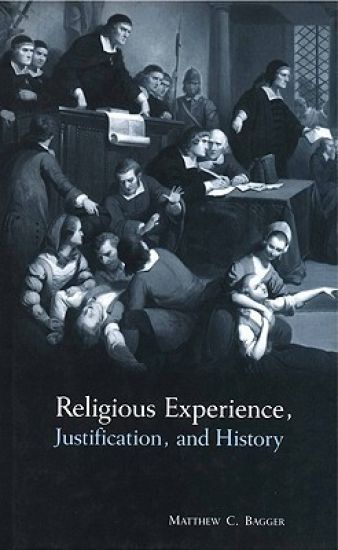
Religious Experience, Justification, and History

Religious Experience, Justification, and History

Matthew C. Bagger

Cambridge University Press
1999
sidottu
Recently, many philosophers of religion have sought to defend the rationality of religious belief by shifting the burden of proof onto the critic of religious belief. Some have appealed to extraordinary religious experience in making their case. Religious Experience, Justification, and History restores neglected explanatory and historical considerations to the debate. Through a study of William James, it contests the accounts of religious experience offered in recent works. Through reflection on the history of philosophy, it also unravels the philosophical use of the term justification. Matthew Bagger argues that the commitment to supernatural explanations implicit in the religious experiences employed to justify religious belief contradicts the modern ideal of human flourishing. For contrast, and to demonstrate the indispensability of history, he includes a study of Teresa of Avila's mystical theology. The controversial supernatural explanations implicit in extraordinary religious experience place the burden of proof on the believer.