Kirjojen hintavertailu. Mukana 12 390 323 kirjaa ja 12 kauppaa.

Kirjailija

Matthew C. Waxman

Kirjat ja teokset yhdessä paikassa: 7 kirjaa, julkaisuja vuosilta 1999-2026, suosituimpien joukossa Confronting Iraq. Vertaile teosten hintoja ja tarkista saatavuus suomalaisista kirjakaupoista.

Mukana myös kirjoitusasut: Matthew C Waxman

7 kirjaa

Kirjojen julkaisuhaarukka 1999-2026.

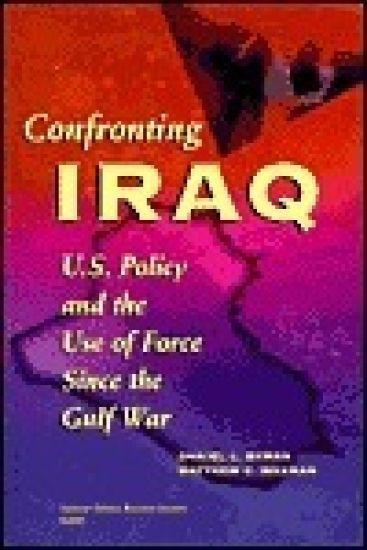
Confronting Iraq

Confronting Iraq

Daniel L. Byman; Matthew C. Waxman

RAND
2000
pokkari
This text explores the history of relations between Iraq and the US during the 1990s to derive lessons for future confrontations and for coercive diplomacy in general. It examines the nature of Iraq as an adversary, US objectives in the Gulf region, and the record of attempts to coerce Iraq.
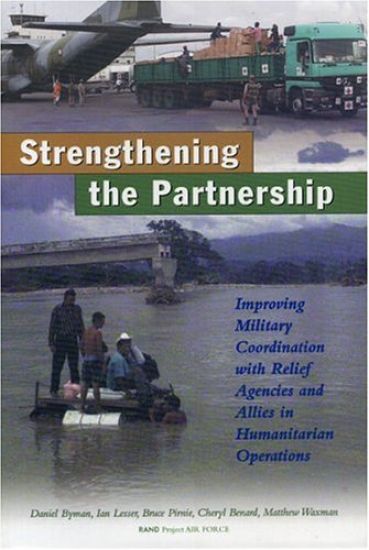
A Stronger Partnership

A Stronger Partnership

Daniel L. Byman; Ian Lesser; Bruce R. Pirnie; Cheryl Benard; Matthew C. Waxman

RAND
2000
pokkari
This report explores how the US military might improve co-ordination with relief agencies and with European allies in such operations. It examines the dynamics of complex contingency operations, provides an overview of the relief community, and delineates barriers to better co-operation.
Aerospace Operations in Urban Environments

Aerospace Operations in Urban Environments

Alan Vick; John W. Stillion; David R. Frelinger; Joel S Kvitky; Benjamin S. Lambeth; Jefferson P. Marquis; Matthew C. Waxman

RAND
2000
pokkari
This title examines how the urban physical, social, and political environment constrains aerospace operations; identifies key operational tasks that aerospace forces can help accomplish; and discusses strategies and technologies that can improve success in urban operations.
Air Power as a Coercive Instrument

Air Power as a Coercive Instrument

Daniel L. Byman; Matthew C. Waxman; Eric V. Larson

RAND
1999
pokkari
Coercion--the use of threatened force to induce an adversary to change its behavior--is a critical function of the U.S. military. U.S. forces have recently fought in the Balkans, the Persian Gulf, and the Horn of Africa to compel recalcitrant regimes and warlords to stop repression, abandon weapons programs, permit humanitarian relief, and otherwise modify their actions. Yet despite its overwhelming military might, the United States often fails to coerce successfully. This report examines the phenomenon of coercion and how air power can contribute to its success. Three factors increase the likelihood of successful coercion: (1) the coercer's ability to raise the costs it imposes while denying the adversary the chance to respond (escalation dominance); (2) an ability to block an adversary's military strategy for victory; and (3) an ability to magnify third-party threats, such as internal instability or the danger posed by another enemy. Domestic political concerns (such as casualty sensitivity) and coalition dynamics often constrain coercive operations and impair the achievement of these conditions. Air power can deliver potent and credible threats that foster the above factors while neutralizing adversary countercoercive moves. When the favorable factors are absent, however, air power--or any other military instrument--will probably fail to coerce. Policymakers' use of coercive air power under inauspicious conditions diminishes the chances of using it elsewhere when the prospects of success would be greater.