Kirjojen hintavertailu. Mukana 12 595 353 kirjaa ja 12 kauppaa.

Kirjailija

Matthew D. H. Clark

Kirjat ja teokset yhdessä paikassa: 2 kirjaa, julkaisuja vuodelta 2010, suosituimpien joukossa Augustus, First Roman Emperor. Vertaile teosten hintoja ja tarkista saatavuus suomalaisista kirjakaupoista.

2 kirjaa

Augustus, First Roman Emperor

Augustus, First Roman Emperor

Matthew D. H. Clark

Bristol Phoenix Press
2010
sidottu
Rome's first emperor, Augustus, the adopted son of Julius Caesar, has probably had the most lasting effect on history of all rulers of the classical world. This book focuses on his rise to power and on the ways in which he then maintained authority throughout his reign. It is often assumed that the close relationship between power and presentation, popularly known as 'spin', is a modern phenomenon. Augustus, however, emerges as consummate master of the political process, using propaganda to fashion his own historical legacy. Clark examines the importance of his chief political advisor Maecenas, the patron of Horace and Virgil; and of his military commander Agrippa. He also considers the contrasting fates of the main poets of Augustus' reign, Virgil and Ovid, and the public monuments that - as much as poetry -– served to shape his reputation.
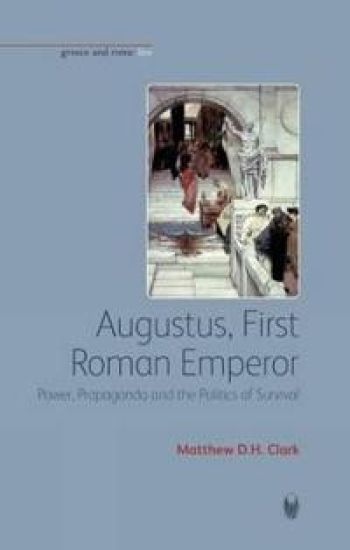
Augustus, First Roman Emperor

Augustus, First Roman Emperor

Matthew D. H. Clark

Bristol Phoenix Press
2010
nidottu
Rome's first emperor, Augustus, the adopted son of Julius Caesar, has probably had the most lasting effect on history of all rulers of the classical world. This book focuses on his rise to power and on the ways in which he then maintained authority throughout his reign. It is often assumed that the close relationship between power and presentation, popularly known as 'spin', is a modern phenomenon. Augustus, however, emerges as consummate master of the political process, using propaganda to fashion his own historical legacy. Clark examines the importance of his chief political advisor Maecenas, the patron of Horace and Virgil; and of his military commander Agrippa. He also considers the contrasting fates of the main poets of Augustus' reign, Virgil and Ovid, and the public monuments that - as much as poetry -– served to shape his reputation.