Kirjojen hintavertailu. Mukana 12 390 323 kirjaa ja 12 kauppaa.

Kirjailija

Matthew Reeves

Kirjat ja teokset yhdessä paikassa: 8 kirjaa, julkaisuja vuosilta 2003-2023, suosituimpien joukossa Mindfulness. Vertaile teosten hintoja ja tarkista saatavuus suomalaisista kirjakaupoista.

8 kirjaa

Kirjojen julkaisuhaarukka 2003-2023.

Mindfulness

Mindfulness

Matthew Reeves

Matthew Reeves
2023
pokkari
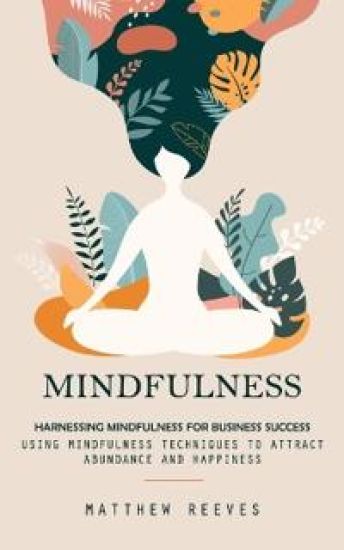
In this book, you will explore the depths of your being and learn valuable techniques to cultivate mindfulness and self-compassion. Discover how to live in the present moment, align your thoughts and actions with your core values, and unleash your true potential.With practical exercises and empowering affirmations, you will develop a solid foundation of self-awareness and self-acceptance. Gain the tools to navigate life's challenges with kindness and understanding, fostering a deep sense of self-love and empowerment. Highlights of the book: Mindfulness for business success: discover how mindfulness can enhance your decision-making, problem-solving, and overall business performance. Learn how to leverage mindfulness to thrive in the face of challenges and uncertainty.Practical strategies and techniques: explore a wide range of practical techniques and strategies that you can immediately apply to your entrepreneurial journey.Creating a mindful work culture: learn how to foster a mindful work environment that promotes employee well-being, collaboration, and creativity.Readers will learn the fundamental principles of mindfulness meditation and various techniques to incorporate into their daily practice. The book guides finding the right time and place to meditate, overcoming common challenges, dealing with distractions, and staying motivated. It also explores how mindfulness meditation can be applied to specific situations, such as work and relationships, and daily activities like mindfully eating.
The Medieval Body

The Medieval Body

Jana Gajdošová; Matthew Reeves

SAM FOGG
2022
nidottu
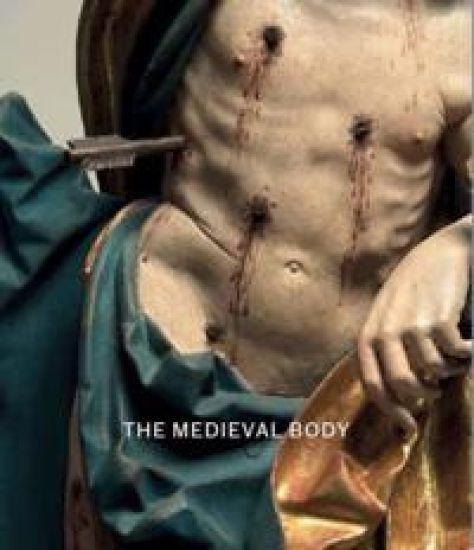
This fascinating and richly illustrated book accompanies The Medieval Body, the third in a series of vanguard exhibitions that places medieval masterpieces within a contemporary context. The title of the exhibition refers to both a literal thread of figuration that runs throughout the works in the presentation, as well as the complex and often shifting symbolism of the human body in the medieval period. For thinkers and artists of that time, the human body served as a rich source of religious and philosophical significance, one that was in a constant state of flux between idealism and disfigurement. While the early Middle Ages reserved representations of suffering bodies to the margins of their world, the later Middle Ages displayed wounded bodies in the most central spaces of public life. The crucified body of Christ and the wounded bodies of saints assumed important positions as they were displayed on altars, in processions, and on the exteriors of churches. The Medieval Body tells a unique story about the human form as both a physical entity and a recognizable metaphor. Presenting works spanning the course of a thousand years, this exhibition offers insight into the body as an essential imagemaking tool with far-reaching implications for the development of art in the European Middle Ages.
Gothic Spirit

Gothic Spirit

Jada Gajdošová; Matthew Reeves

Sam Fogg
2020
pokkari
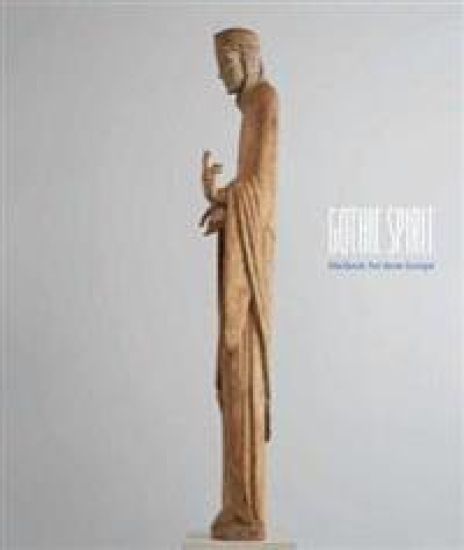
This publication brings together 27 works of art made across western Europe between the 12th and 16th centuries, a period spanning the Middle Ages and Renaissance. They represent some of the finest examples of sculpture, metalwork, painting and stained glass still in private hands, and together offer a startling insight into the period’s rich artistic achievements.
Late-Medieval and Renaissance Textiles

Late-Medieval and Renaissance Textiles

Rosamund Garrett; Matthew Reeves

Paul Holberton Publishing
2018
pokkari
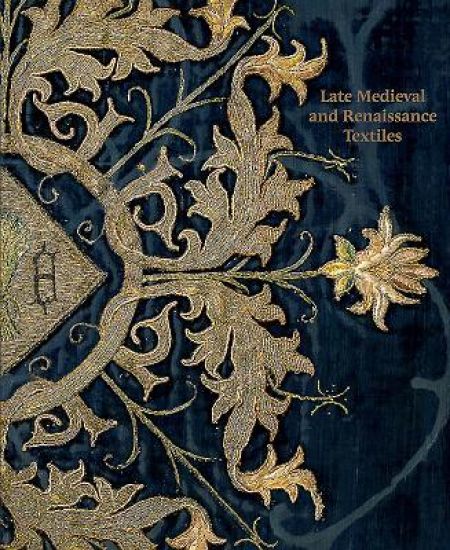
This publication, the first of its kind in many decades, draws together thirty-six rare and sumptuous European textiles created between the late fourteenth and late sixteenth centuries. Incorporating objects made both for secular and liturgical use, it explores the contexts of their creation, their functions and purpose, and their changing fortunes over the course of the subsequent centuries. After goldsmiths' work, tapestries and embroideries were among the costliest art forms of the Middle Ages, due to their precious materials and the countless hours required to produce them. Whether hung on the wall or worn about the person, textiles provided a potent display of their owners’ wealth and status. Their vivid decoration also provided the perfect backdrop for courtly pageants, royal ceremonies, and liturgical festivals. Even the quickest glance at late medieval paintings shows just how forcefully textiles shaped the visual texture of the occasions they depict. Though always the works of specialist craftsmen, in the later Middle Ages textiles were often made following designs supplied by the leading painters and designers of their age. Yet only a tiny fraction of what was made has survived. The fragility of the fabrics, light damage and insects, together with alterations of use, have made this material extremely rare. This catalog includes thirty-six late medieval and Renaissance textiles, many published for the first time, that together span a period of almost two hundred years. They are organized by country, starting with otherwise unrecorded examples of ‘opus anglicanum’ made in English workshops between around 1400 and the eve of the Reformation. They are followed by textiles from France, the Netherlands, Germany, Italy, and Spain. Different materials and classes of textile are grouped together within each of these regional divisions. For instance, liturgical vestments and altar hangings sit side by side with sumptuous velvets and delicately embroidered tablecloths. Together, they encapsulate the incredible breadth of Europe’s flourishing textile industries during this period. Rosamund Garrett and Matthew Reeves have carefully recorded the physical structure, processes of manufacture, and condition of these remarkable and sometimes complex works, and have situated them within the wider contexts of their production and the cultural climate in which they were made.
Of Earth and Heaven

Of Earth and Heaven

Matthew Reeves

Sam Fogg
2018
pokkari
This publication brings together 27 objects that were made in Europe during the Middle Ages, between the 11th and the early 16th centuries. They represent some of the finest examples of sculpture, metalwork, painting, drawing, and stained glass still in private hands, and together offer a startling insight into the period’s rich artistic achievements.
Late Medieval Panel Paintings. Volume 2

Late Medieval Panel Paintings. Volume 2

Nicholas Herman; Nicola Jennings; Anna Koopstra; Matthew Reeves

Paul Holberton Publishing
2015
pokkari
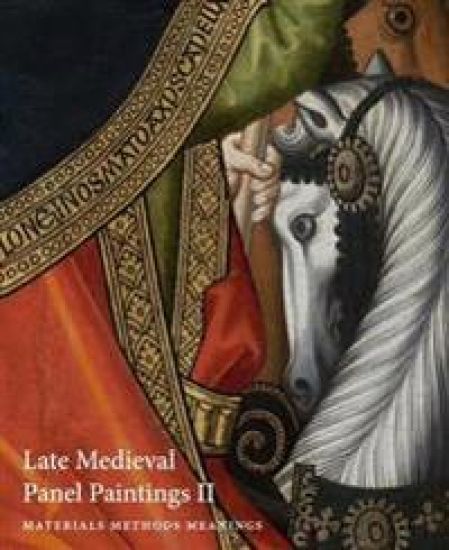
This beautiful and extensively illustrated catalogue presents in-depth case studies of twenty-four rare and remarkable Late Medieval panel paintings, many from the German-speaking regions of Europe, but also from Spain, France and the Southern Netherlands. These works – often fragments of larger altarpieces designed for liturgical performance and communal or private devotion – can be monumental and dramatic or small and intimate, but all on close examination prove to be rich in meaning – even in cases where the painters remain anonymous, and the precise contexts of their creation have become obscured or fragmented. The collected essays will encompass a broad spectrum of artistic styles, techniques, and interests, including in some instances the works’ original frames, and the attendant meanings they give to the imagery housed within. The group will also be augmented by a rare and important small-scale tapestry altarpiece with close links to panel painting. The inclusion of such a piece, one of the many newly resurfaced works to be included in the catalogue, will offer an innovative approach to the scholarship of Medieval paintings, and enrich our understanding of the cross-pollination of ideas between mediums and the role played by painters in tapestry production at the turn of the sixteenth century. The book, a follow-up to Susie Nash’s important 2011 catalogue, considers the physical history, original form, condition and technique of the assembled works, using wood analysis and dendrochronology, paint samples, infrared, x-rays and macro photography to document the materials and methods involved in their making and the alterations and transformations they have undergone with time. This new information is combined with close readings of their imagery and its presentation to explore issues of meaning, creative process, patronal intervention and artistic intention, leading in many cases to new reconstructions, attributions, dates and iconographic readings. The text is extensively illustrated with a series of images of all of the works, along with technical photographs and comparative material.
Pains on Trains

Pains on Trains

Andrew Holmes; Matthew Reeves

Capstone Publishing Ltd
2003
nidottu
Pains on Trains is a wonderfully funny, relentlessly satirical, laugh-out-loud read aimed at giving long-suffering commuters everywhere a weapon to fight back with. Its the perfect antidote for nightmarish travelling companions everywhere! Each character within the book is illustrated by a hilarious cartoon caricature as well as a 'pain spotting' description which covers: · General characteristics, which will describe the 'pain' · Annoyance value, which rates the 'pain' from 1 (limited annoyance) to 10 (extreme annoyance) · Rarity, which rates the pain from 1 (exceptionally rare) to 10 (very common) · Seasonal variations, which identifies any seasonal changes to the pain and their severity/rarity · Avoidance/revenge strategies Pains on Trains is the perfect way to take the tedium out of commuting, guaranteed to become as indispensable to the seasoned traveller as the blow-up pillow or water sterilising tablets.