Kirjojen hintavertailu. Mukana 12 390 323 kirjaa ja 12 kauppaa.

Kirjailija

Mavis Sika Okyere

Kirjat ja teokset yhdessä paikassa: 6 kirjaa, julkaisuja vuosilta 2018-2025, suosituimpien joukossa Gas Pipeline Integrity Management. Vertaile teosten hintoja ja tarkista saatavuus suomalaisista kirjakaupoista.

6 kirjaa

Kirjojen julkaisuhaarukka 2018-2025.

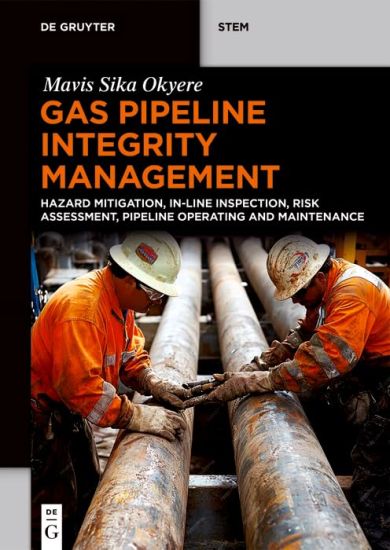
Gas Pipeline Integrity Management

Gas Pipeline Integrity Management

Mavis Sika Okyere

De Gruyter
2025
isokokoinen pokkari
Petroleum and pipeline engineers know that repairing and inspecting gas pipelines can be a costly process. To ensure that the system's strength and integrity are maintained, proper training is essential. "Gas Pipeline Integrity Management" is an exceptional guide that offers engineers the latest techniques in the field. The book is easy to understand, comprehensive, and filled with illustrations, calculations, and data tables. "Gas Pipeline Integrity Management" equips engineers with the knowledge and skills needed to safeguard gas pipeline investments securely and effectively. It covers risk assessment, management of change, hazard mitigation, integrity assessment, inspection, monitoring and repair, records and data management and communication.
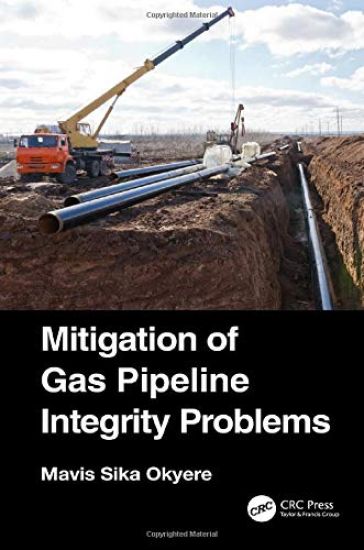
Mitigation of Gas Pipeline Integrity Problems

Mitigation of Gas Pipeline Integrity Problems

Mavis Sika Okyere

TAYLOR FRANCIS LTD
2024
nidottu
Mitigation of Gas Pipeline Integrity Problems presents the methodology to enable engineers, experienced or not, to alleviate pipeline integrity problems during operation. It explains the principal considerations and establishes a common approach in tackling technical challenges that may arise during gas production. Covers third-party damage, corrosion, geotechnical hazards, stress corrosion cracking, off-spec sales gas, improper design or material selection, as-built flaws, improper operations, and leak and break detection Details various hazard mitigation options Offers tested concepts of pipeline integrity blended with recent research results, documented in a scholarly fashion to make it simple to the average readerThis practical work serves the needs of advanced students, researchers, and professionals working in pipeline engineering and petrochemical industries.
Mitigation of Gas Pipeline Integrity Problems
Mitigation of Gas Pipeline Integrity Problems presents the methodology to enable engineers, experienced or not, to alleviate pipeline integrity problems during operation. It explains the principal considerations and establishes a common approach in tackling technical challenges that may arise during gas production. Covers third-party damage, corrosion, geotechnical hazards, stress corrosion cracking, off-spec sales gas, improper design or material selection, as-built flaws, improper operations, and leak and break detection Details various hazard mitigation options Offers tested concepts of pipeline integrity blended with recent research results, documented in a scholarly fashion to make it simple to the average readerThis practical work serves the needs of advanced students, researchers, and professionals working in pipeline engineering and petrochemical industries.
Corrosion Protection for the Oil and Gas Industry
Corrosion Protection for the Oil and Gas Industry: Pipelines, Subsea Equipment, and Structures summarizes the main causes of corrosion and requirements for materials protection, selection of corrosion-resistant materials and coating materials commonly used for corrosion protection, and the limitations to their use, application, and repair. This book focuses on the protection of steels against corrosion in an aqueous environment, either immersed in seawater or buried. It also includes guidelines for the design of cathodic protection systems and reviews of cathodic protection methods, materials, installation, and monitoring. It is concerned primarily with the external and internal corrosion protection of onshore pipelines and subsea pipelines, but reference is also made to the protection of other equipment, subsea structures, risers, and shore approaches. Two case studies, design examples, and the author’s own experiences as a pipeline integrity engineer are featured in this book. Readers will develop a high quality and in-depth understanding of the corrosion protection methods available and apply them to solve corrosion engineering problems.This book is aimed at students, practicing engineers, and scientists as an introduction to corrosion protection for the oil and gas industry, as well as to overcoming corrosion issues.
Corrosion Protection for the Oil and Gas Industry
Corrosion Protection for the Oil and Gas Industry: Pipelines, Subsea Equipment, and Structures summarizes the main causes of corrosion and requirements for materials protection, selection of corrosion-resistant materials and coating materials commonly used for corrosion protection, and the limitations to their use, application, and repair. This book focuses on the protection of steels against corrosion in an aqueous environment, either immersed in seawater or buried. It also includes guidelines for the design of cathodic protection systems and reviews of cathodic protection methods, materials, installation, and monitoring. It is concerned primarily with the external and internal corrosion protection of onshore pipelines and subsea pipelines, but reference is also made to the protection of other equipment, subsea structures, risers, and shore approaches. Two case studies, design examples, and the author’s own experiences as a pipeline integrity engineer are featured in this book. Readers will develop a high quality and in-depth understanding of the corrosion protection methods available and apply them to solve corrosion engineering problems.This book is aimed at students, practicing engineers, and scientists as an introduction to corrosion protection for the oil and gas industry, as well as to overcoming corrosion issues.
Fixed Offshore Platforms:Structural Design for Fire Resistance
This book examines the fire-resistant design of fixed offshore platforms. It describes the required loading, load combinations, strength and stability checks for structural elements. It also explains the design of tubular joints, fatigue analysis, dynamic analysis, and impact analysis, Fire resistance, fire, explosion and blast effect analysis, fire protection materials, and safety.