Kirjojen hintavertailu. Mukana 12 657 676 kirjaa ja 12 kauppaa.

Kirjailija

Meg Lovejoy

Kirjat ja teokset yhdessä paikassa: 2 kirjaa, julkaisuja vuosilta 2019-2021, suosituimpien joukossa Opting Back In. Vertaile teosten hintoja ja tarkista saatavuus suomalaisista kirjakaupoista.

2 kirjaa

Kirjojen julkaisuhaarukka 2019-2021.

Opting Back In

Opting Back In

Pamela Stone; Meg Lovejoy

University of California Press
2021
pokkari
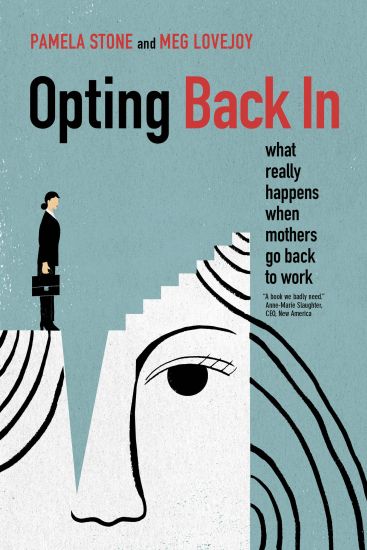
Taking a career break is a conflicted and risky decision for high-achieving professional women. Yet many do so, usually planning, even as they quit, to return to work eventually. But can they? And if so, how? In Opting Back In, Pamela Stone and Meg Lovejoy revisit women first interviewed a decade earlier in Stone’s book Opting Out? Why Women Really Quit Careers and Head Home to answer these questions. In frank and intimate accounts, women lay bare the dilemmas they face upon reentry. Most succeed but not by returning to their former high-paying, still family-inhospitable jobs. Instead, women strike out in new directions, finding personally gratifying but lower-paid jobs in the gig economy or predominantly female nonprofit sector. Opting Back In uncovers a paradox of privilege by which the very women best positioned to achieve leadership and close gender gaps use strategies to resume their careers that inadvertently reinforce gender inequality. The authors advocate gender equitable policies that will allow women—and all parents—to combine the intense demands of work and family life in the twenty-first century.
Opting Back In

Opting Back In

Pamela Stone; Meg Lovejoy

University of California Press
2019
sidottu
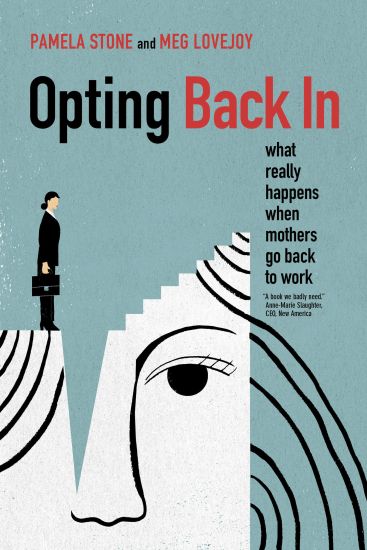
Taking a career break is a conflicted and risky decision for high-achieving professional women. Yet many do so, usually planning, even as they quit, to return to work eventually. But can they? And if so, how? In Opting Back In, Pamela Stone and Meg Lovejoy revisit women first interviewed a decade earlier in Stone’s book Opting Out? Why Women Really Quit Careers and Head Home to answer these questions. In frank and intimate accounts, women lay bare the dilemmas they face upon reentry. Most succeed but not by returning to their former high-paying, still family-inhospitable jobs. Instead, women strike out in new directions, finding personally gratifying but lower-paid jobs in the gig economy or predominantly female nonprofit sector. Opting Back In uncovers a paradox of privilege by which the very women best positioned to achieve leadership and close gender gaps use strategies to resume their careers that inadvertently reinforce gender inequality. The authors advocate gender equitable policies that will allow women—and all parents—to combine the intense demands of work and family life in the twenty-first century.