Kirjojen hintavertailu. Mukana 12 595 353 kirjaa ja 12 kauppaa.

Kirjailija

Megan E. O'Neil

Kirjat ja teokset yhdessä paikassa: 4 kirjaa, julkaisuja vuosilta 2012-2024, suosituimpien joukossa The Maya. Vertaile teosten hintoja ja tarkista saatavuus suomalaisista kirjakaupoista.

Mukana myös kirjoitusasut: Megan E. O’Neil

4 kirjaa

Kirjojen julkaisuhaarukka 2012-2024.

Memory in Fragments

Memory in Fragments

Megan E. O'Neil

UNIVERSITY OF TEXAS PRESS
2024
sidottu
An exploration of how the ancient Maya engaged with their history by using, altering, and burying stone sculptures. For the ancient Maya, monumental stone sculptures were infused with agency. As they were used, reused, altered, and buried, such sculptures retained ceremonial meaning. In Memory in Fragments, Megan E. O'Neil explores how ancient Maya people engaged with history through these sculptures, as well as how they interacted with the stones themselves over the course of the sculptures’ long “lives.” Considering Maya religious practices, historiography, and conceptions of materials and things, O’Neil explores how Maya viewers perceived sculptures that were fragmented, scarred, burned, damaged by enemies, or set in unusual locations. In each case, she demonstrates how different human interactions, amid dynamic religious, political, and historical contexts, led to new episodes in the sculptures' lives. A rare example of cross-temporal and geographical work in this field, Memory in Fragments both compares sculptures within ancient Maya culture across Honduras, Guatemala, Mexico, and Belize over hundreds of years and reveals how memory may accrue around and be evoked in material remains.
The Maya

The Maya

Megan E. O’Neil

REAKTION BOOKS
2022
sidottu
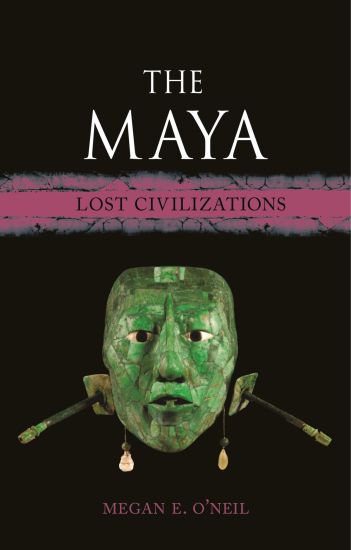
The Maya reveals how this ancient civilization – its buildings, ideas, objects and identities – has been perceived, portrayed and exploited over five hundred years in the Americas, Europe and beyond. Megan E. O’Neil summarizes ancient Maya art and history from the Preclassic period to the Spanish invasion, as well as the history of engagement with the ancient Maya, from Spanish invaders in the sixteenth century to later explorers and archaeologists. Taking in scientific literature, visual arts, architecture, world’s fairs and Indigenous activism, she looks at the decipherment of Maya inscriptions, Maya museum exhibitions and artists’ responses, and contemporary Maya people’s engagements with their ancestral past, to explore the history and legacy of this fascinating culture.
Maya Art and Architecture

Maya Art and Architecture

Mary Ellen Miller; Megan E. O’Neil

Thames Hudson Ltd
2014
nidottu
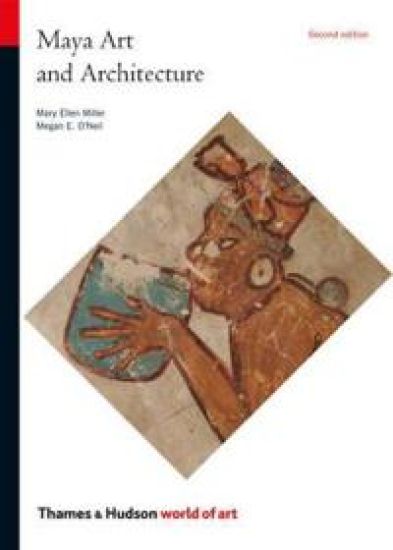
Rewritten from cover to cover and updated to include the discoveries and new theories from the past decade and a half, this classic guide to the art of the ancient Maya is now illustrated in full colour throughout. World expert Mary Miller and her co-author Megan O’Neil take the reader through the visual world of the Maya, explaining how and why they created the paintings, sculpture and monuments that intrigue and compel people the world over. With an array of new material, from recent finds including the La Corona panels, to new studies of the monuments at Palenque, Zotz and elsewhere, to the beautiful wall paintings discovered in recent years, this new edition will be essential reading for students and scholars – and for travellers to the cities of this mysterious civilization.
Engaging Ancient Maya Sculpture at Piedras Negras, Guatemala

Engaging Ancient Maya Sculpture at Piedras Negras, Guatemala

Megan E. O'Neil

University of Oklahoma Press
2012
sidottu
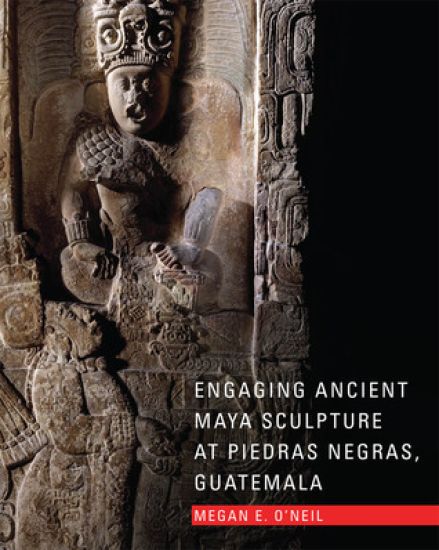
Now shrouded in Guatemalan jungle, the ancient Maya city of Piedras Negras flourished between the sixth and ninth centuries, when its rulers erected monumental limestone sculptures carved with hieroglyphic texts and images of themselves and family members, advisers, and captives. In Engaging Ancient Maya Sculpture at Piedras Negras, Guatemala, Megan E. O'Neil offers new ways to understand these stelae, altars, and panels by exploring how ancient Maya people interacted with them.These monuments, considered sacred, were one of the community's important forms of cultural and religious expression. Stelae may have held the essence of rulers they commemorated, and the objects remained loci for reverence of those rulers after they died. Using a variety of evidence, O'Neil examines how the forms, compositions, and contexts of the sculptures invited people to engage with them and the figures they embodied looks at these monuments not as inert bearers of images but as palpable presences that existed in real space at specific historical moments. Her analysis brings to the fore the material and affective force of these powerful objects that were seen, touched, and manipulated in the past.O'Neil investigates the monuments not only at the moment of their creation but also in later years and shows how they changed over time. She argues that the relationships among sculptures of different generations were performed in processions, through which ancient Maya people integrated historical dialogues and ancestral commemoration into the landscape.With the help of more than 160 illustrations, O'Neil reveals these sculptures' continuing life histories, which in the past century have included their fragmentation and transformation into commodities sold on the international art market. Shedding light on modern-day transposition and display of these ancient monuments, O'Neil's study contributes to ongoing discussions of cultural patrimony.