Kirjojen hintavertailu. Mukana 12 390 323 kirjaa ja 12 kauppaa.

Kirjailija

Melania Mazzucco

Kirjat ja teokset yhdessä paikassa: 5 kirjaa, julkaisuja vuosilta 2014-2024, suosituimpien joukossa Edvard Munch. Vertaile teosten hintoja ja tarkista saatavuus suomalaisista kirjakaupoista.

5 kirjaa

Kirjojen julkaisuhaarukka 2014-2024.

Edvard Munch

Edvard Munch

Patricia G. Berman; Melania Mazzucco; Hanne Ørstavik; Lasse Jacobsen; Emil Leth Meilvang

Munch Museum
2024
sidottu
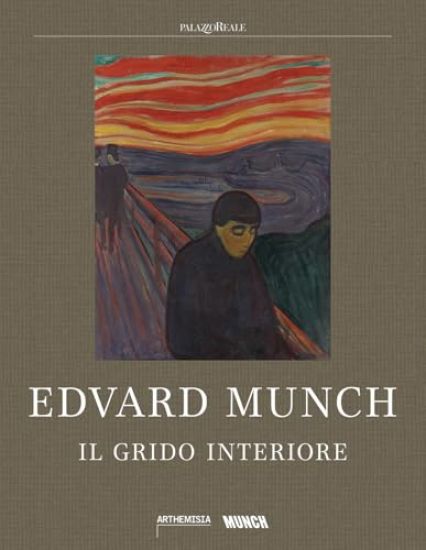
The jarring emptiness following the loss of a loved one, the expansive out-of-body sensation of sensual touch, the lassitude of melancholy and the ecstatic receptivity to sunshine. His ability to capture and convey sensation and feelings through the materials of art, places the Norwegian artist Edvard Munch (1863–1944) at the forefront of European art at the turn of the last century. Interestingly, Munch’s artistic exploration of perception, and his persistent questioning of the objectivity of vision, intersect with ideas that matured within the fields of psychology and experimental optics at the time. Edvard Munch: Il Grido Interiore examines these connections, demonstrating his continuing exploration of the conditions of sight. The essays in this catalogue examine this phenomenon while also probing a lesser-known aspect of the artist’s work: Munch’s relationship to Italy. The first essay, Lasse Jacobsen’s ‘Edvard Munch. Italian Impressions’, explores this connection explicitly, as part of a general overview of Munch’s life and work. The second text, ‘Reflections in Munch’s Inner Eye’ by Patricia G. Berman, charts the art historical context of Munch’s exploration of experience’s subjective dimension. Emil Leth Meilvang’s ‘Seeing without Sight. Munch’s Vision’, on its part, explores the relationship between Munch’s artistic development and simultaneous developments within the perceptual sciences. Edvard Munch:Il Grido Interiore includes essayistic pieces by authors Melania G. Mazzucco and Hanne Ørstavik: ‘I am a Romantic’ and ‘Who Am I’. Each demonstrates Munch’s continuing ability to light the inner fires of other artists. Text in Italian.
Edvard Munch

Edvard Munch

Patricia G. Berman; Melania Mazzucco; Hanne Ørstavik; Lasse Jacobsen; Emil Leth Meilvang

Munch Museum
2024
sidottu
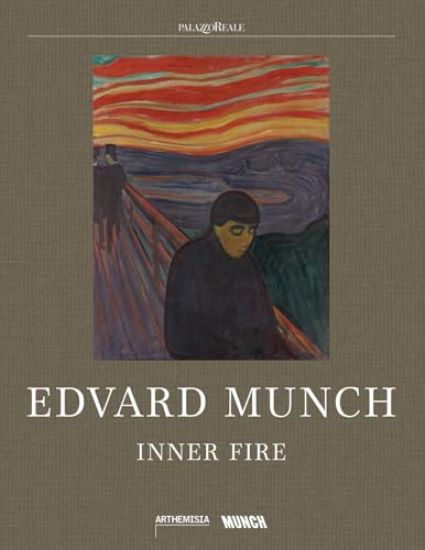
The jarring emptiness following the loss of a loved one, the expansive out-of-body sensation of sensual touch, the lassitude of melancholy and the ecstatic receptivity to sunshine. His ability to capture and convey sensation and feelings through the materials of art, places the Norwegian artist Edvard Munch (1863–1944) at the forefront of European art at the turn of the last century. Interestingly, Munch’s artistic exploration of perception, and his persistent questioning of the objectivity of vision, intersect with ideas that matured within the fields of psychology and experimental optics at the time. Edvard Munch: Inner Fire examines these connections, demonstrating his continuing exploration of the conditions of sight. The essays in this catalogue examine this phenomenon while also probing a lesser-known aspect of the artist’s work: Munch’s relationship to Italy. The first essay, Lasse Jacobsen’s ‘Edvard Munch. Italian Impressions’, explores this connection explicitly, as part of a general overview of Munch’s life and work. The second text, ‘Reflections in Munch’s Inner Eye’ by Patricia G. Berman, charts the art historical context of Munch’s exploration of experience’s subjective dimension. Emil Leth Meilvang’s ‘Seeing without Sight. Munch’s Vision’, on its part, explores the relationship between Munch’s artistic development and simultaneous developments within the perceptual sciences. Edvard Munch. Inner Fire includes essayistic pieces by authors Melania G. Mazzucco and Hanne Ørstavik: ‘I am a Romantic’ and ‘Who Am I’. Each demonstrates Munch’s continuing ability to light the inner fires of other artists.
Tà's Red Book

Tà's Red Book

Genevra Visconti; Melania Mazzucco

Rizzoli Electa
2023
nidottu
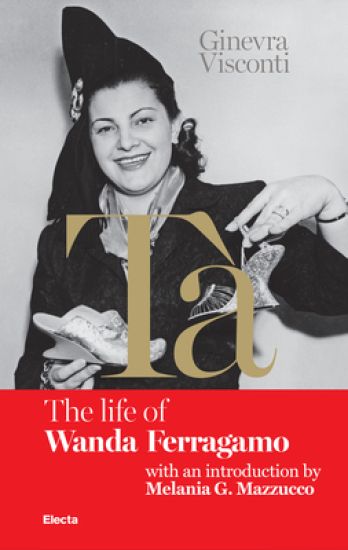
This volume is being published on the occasion of the exhibition Women in Balance at the Museo Salvatore Ferragamo in Florence. Wanda Miletti Ferragamo, wife of Salvatore Ferragamo, was an extraordinary figure who combined the traditional role of a woman devoted to her home and children with a commitment to work and business. Her individual story triggers profound reflections on how she honoured her husband's memory through her entrepreneurial, cultural, and social choices. These choices allowed her to outline a specific form of family business, which has long been considered a pinnacle of the Italian economy. Her life was characterized by a strong dedication to work, and her role as a pioneering leader at the helm of an innovative company such as Salvatore Ferragamo provides an opportunity to explore and analyze the role of women in the years of Italy's economic miracle, with a focus on issues such as household consumption and the influence of advertising.
Vita - a novel

Vita - a novel

Melania Mazzucco

Picador USA
2016
nidottu
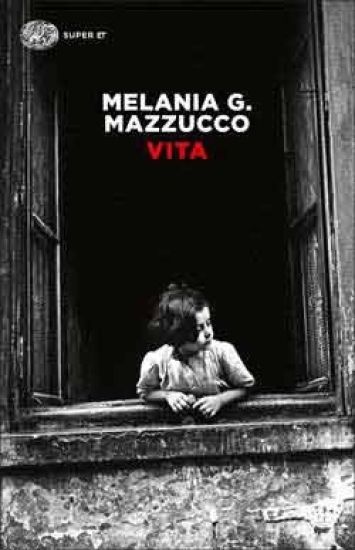
After arriving at Ellis Island, two poor children from Southern Italy, Diamante, age twelve, and Vita, age nine, struggle to survive in New York City amid the poverty, opportunity, and crime of Little Italy. Reprint. 25,000 first printing.