Kirjojen hintavertailu. Mukana 12 433 899 kirjaa ja 12 kauppaa.
Kirjailija
Melissa Stewart
Kirjat ja teokset yhdessä paikassa: 108 kirjaa, julkaisuja vuosilta 2008-2026, suosituimpien joukossa National Geographic. Meteorit. Vertaile teosten hintoja ja tarkista saatavuus suomalaisista kirjakaupoista.
National Geographic Primary Readers is a high-interest series of beginning reading books that have been developed in consultation with education experts. The books pair magnificent National Geographic photographs with lively text by skilled children’s book authors across four reading levels. Water is all around us; we drink it every day. In this level 4 reader, kids will learn about the water cycle, discovering how rain and snow flow into our lakes, rivers, and oceans, and later evaporate into the sky again. Vivid photography and accessible text make this book an ideal introduction to the science of water. Level 4: Independent readerPerfect for kids who are reading on their own with ease and are ready for more challenging vocabulary with varied sentence structures. They are ideal for readers of White and Lime books.
National Geographic Primary Readers is a high-interest series of beginning reading books that have been developed in consultation with education experts. The books pair magnificent National Geographic photographs with lively text by skilled children’s book authors across four reading levels. Blast off on a trip to discover the fascinating world of meteors. In this image-packed book, kids will learn all about these objects hurtling through space – and into our atmosphere. This level 4 reader is written in an easy-to-grasp style to encourage the scientists and explorers of tomorrow! Level 4: Independent readerPerfect for kids who are reading on their own with ease and are ready for more challenging vocabulary with varied sentence structures. They are ideal for readers of White and Lime books.
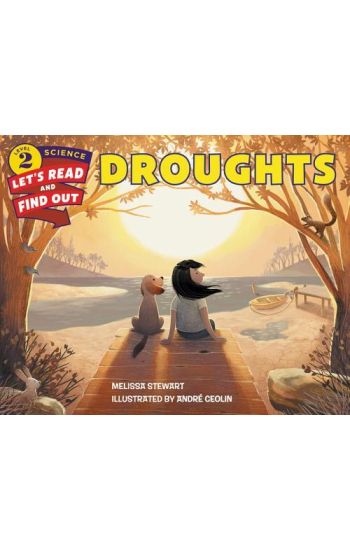
The earth-and everything on it-needs water. But lately, it's been unusually sunny, warm, and dry. The weather anchor announces that your area is experiencing a drought! Where do droughts happen? How do we know that we are in a drought? Why is rainfall important? Do droughts just affect people? Can scientists keep track of rainfall? Read and find out! This book is full of activities, like how to measure rainfall, how to visualize how much of the world's water is freshwater, and how to create a cloud in a jar. It's also full of graphic features perfect for visual learners, like a diagram of the water cycle, and rich vocabulary bolded throughout the text, with a glossary. This is a Level 2 Let's-Read-and-Find-Out Science title, which means the book explores more challenging concepts for children in the primary grades and supports the Common Core Learning Standards, Next Generation Science Standards, and the Science, Technology, Engineering, and Math (STEM) standards. Let's-Read-and-Find-Out is the winner of the American Association for the Advancement of Science/Subaru Science Books & Films Prize for Outstanding Science Series.
Read and find out about droughts in this colorfully illustrated nonfiction picture book.The earth--and everything on it--needs water. But lately, it's been unusually sunny, warm, and dry. The weather anchor announces that your area is experiencing a drought Where do droughts happen? How do we know that we are in a drought? Why is rainfall important? Do droughts just affect people? Can scientists keep track of rainfall? Read and find out This book is full of activities, like how to measure rainfall, how to visualize how much of the world's water is freshwater, and how to create a cloud in a jar. It's also full of graphic features perfect for visual learners, like a diagram of the water cycle, and rich vocabulary bolded throughout the text, with a glossary.This is a clear and appealing science book for early elementary age kids, both at home and in the classroom. It's a Level 2 Let's-Read-and-Find-Out, which means the book explores more challenging concepts for children in the primary grades. The 100+ titles in this leading nonfiction series are: hands-on and visualacclaimed and trustedgreat for classroomsTop 10 reasons to love LRFOs: Entertain and educate at the same timeHave appealing, child-centered topicsDevelopmentally appropriate for emerging readersFocused; answering questions instead of using survey approachEmploy engaging picture book quality illustrationsUse simple charts and graphics to improve visual literacy skillsFeature hands-on activities to engage young scientistsMeet national science education standardsWritten/illustrated by award-winning authors/illustrators & vetted by an expert in the fieldOver 130 titles in print, meeting a wide range of kids' scientific interestsBooks in this series support the Common Core Learning Standards, Next Generation Science Standards, and the Science, Technology, Engineering, and Math (STEM) standards. Let's-Read-and-Find-Out is the winner of the American Association for the Advancement of Science/Subaru Science Books & Films Prize for Outstanding Science Series.
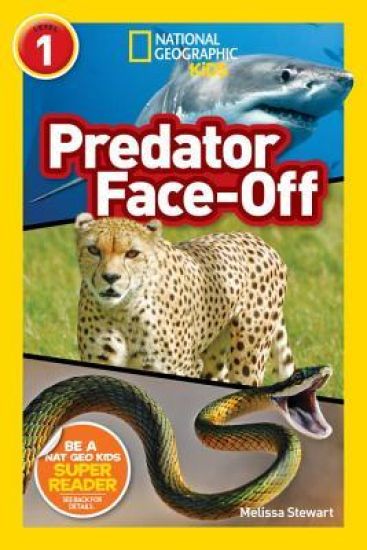
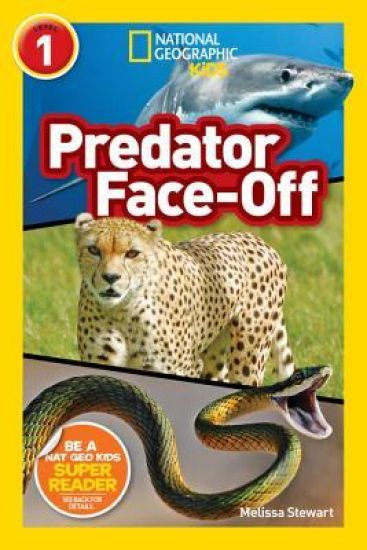
Find out what happens when predator is pitted against predator in this exciting, informative reader. The Level 1 text provides accessible, yet wide-ranging, information about some of the world's most amazing creatures for beginning readers.
Aprende todo acerca de los delfines en este emocionante libro en espa ol. Con sus im genes encantadoras, los ni os aprender n todo sobre estos asombrosos animales marinos. Este libro de Nivel 2 es apropiado para los primeros pasos de lectura independiente o para una experiencia de lectura en voz alta, perfecto para motivar a futuros cient ficos y exploradores
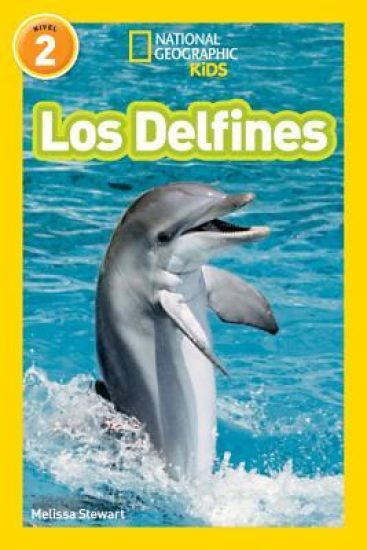
Aprende todo acerca de los delfines en este emocionante libro en espa ol. Con sus im genes encantadoras, los ni os aprender n todo sobre estos asombrosos animales marinos. Este libro de Nivel 2 es apropiado para los primeros pasos de lectura independiente o para una experiencia de lectura en voz alta, perfecto para motivar a futuros cient ficos y exploradores
Find out what happens when predator is pitted against predator in this exciting, informative reader. The Level 1 text provides accessible, yet wide-ranging, information about some of the world's most amazing creatures for beginning readers.
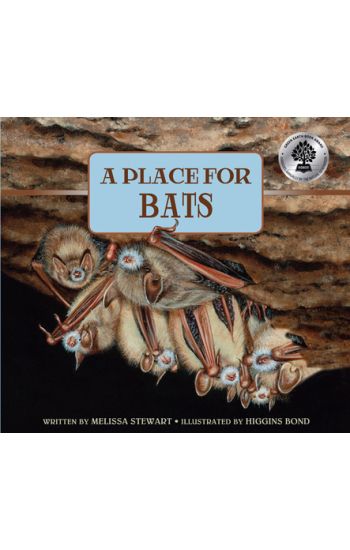
Did you know that almost a third of the world's 1,300 species of bats are in serious trouble? Chased from their caves and forests, sickened by cave-dwelling fungi, and swept from the skies by wind turbines, bats have no place to hide. And human actions often contribute to the problems. How can we help ensure that there will be a safe place for bats? In simple yet compelling language, acclaimed science writer Melissa Stewart showcases twelve types of North American bats, from the familiar little brown bat to the Mexican free-tailed bat. Her clear narrative shows the threats these bats face, and informative sidebars describe a variety of efforts to save them. In addition, remarkable full-color illustrations vividly and accurately depict bats within the ecosystems that support their survival. Range maps and additional bat facts are also included. This nonfiction picture book is part of a prize-winning series designed to inform young readers about a wide range of environmental issues and to present ways people can help protect animals and their natural habitats. A classroom favorite, this book is perfect for budding scientists, environmentalists, and nature lovers.
Did you know that almost a third of the world's 1,300 species of bats are in serious trouble? Chased from their caves and forests, sickened by cave-dwelling fungi, and swept from the skies by wind turbines, bats have no place to hide. And human actions often contribute to the problems. How can we help ensure that there will be a safe place for bats? In simple yet compelling language, acclaimed science writer Melissa Stewart showcases twelve types of North American bats, from the familiar little brown bat to the Mexican free-tailed bat. Her clear narrative shows the threats these bats face, and informative sidebars describe a variety of efforts to save them. In addition, remarkable full-color illustrations vividly and accurately depict bats within the ecosystems that support their survival. Range maps and additional bat facts are also included. This nonfiction picture book is part of a prize-winning series designed to inform young readers about a wide range of environmental issues and to present ways people can help protect animals and their natural habitats. A classroom favorite, this book is perfect for budding scientists, environmentalists, and nature lovers.
Hands-on lessons can be fun and compelling, but when it comes to life science, they aren't always possible, practical, effective, or safe. Children can't follow wolves as they hunt elk, visit a prehistoric swamp, or shrink down to the size of a molecule and observe photosynthesis firsthand. But they can explore a whole world of animals, plants, and ecosystems through the pages of beautifully illustrated, science-themed picture books.Perfect Pairs, which marries fiction and nonfiction picture books focused on life science, helps educators think about and teach life science in a whole new way. Each of the twenty lessons in this book is built around a pair of books that introduces a critical life science concept and guides students through an inquiry-based investigative process to explore that idea-;from life cycles and animal-environment interactions to the inheritance of traits and the critical role of energy in our world.Each lesson starts with a Wonder Statement and comprises three stages. Engaging Students features a hands-on activity that captures student interest, uncovers current thinking, and generates vocabulary.The heart of the investigative process, Exploring with Students, spotlights the paired books as the teacher reads aloud and helps students find and organize information into data tables.Encouraging Students to Draw Conclusions shows students how to review and analyze the information they have collected.Bringing high-quality science-themed picture books into the classroom engages a broad range of students, addresses the Performance Expectations outlined in the Next Generation Science Standards, and supports the goals of the Common Core State Standards for English Language Arts. Even if you are science shy, Perfect Pairs can help you become a more confident teacher whose classroom buzzes with curious students eager to explore their natural world.
How do minerals collect in ancient bones? Why are fish fossils sometimes found on land? How can some feathers be preserved for millions of years? This series explores the causes and effects that shape our world. From the underwater volcanoes that sprout into islands, to the rushing waterfalls that spark electric currents, this series demonstrates how both natural and man-made phenomena occur.
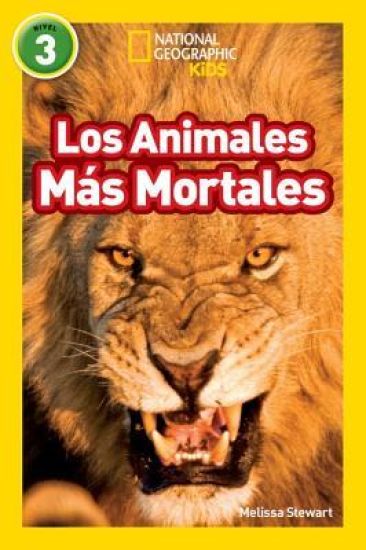
Aprende todo sobre los animales m s mortales en este emocionante libro para ni os. Est lleno de im genes bellas e interesantes que les ense an a los ni os todo sobre estos animales asombrosos. Este libro de Nivel 3 es apropiado para los primeros pasos de lectura independiente o para una experiencia de lectura en voz alta, perfecto para motivar a futuros cient ficos y exploradores
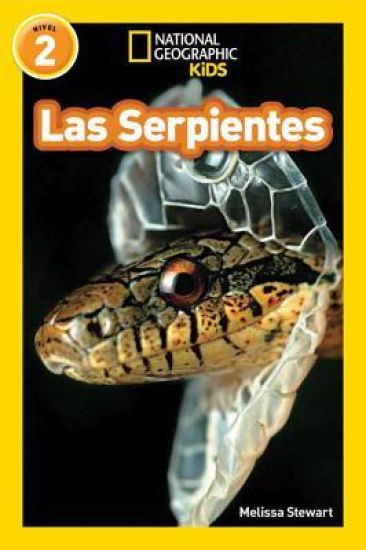
Aprende todo sobre las serpientes en este emocionante libro para ni os. Est lleno de im genes bellas e interesantes que les ense an a los ni os todo sobre estos animales asombrosos. Este libro de Nivel 2 es apropiado para los primeros pasos de lectura independiente o para una experiencia de lectura en voz alta, perfecto para motivar a futuros cient ficos y exploradores
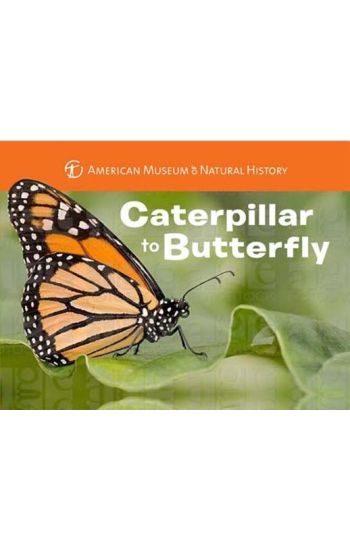
A caterpillar hatches. 'It eats and eats...and grows into a butterfly that flits and floats across the sky. Follow the life cycle of one of nature's most beautiful creatures in simple text and stunning photos. This unique book features graduated flaps that display each stage of metamorphosis at a glance. Turn each flap to reveal engaging facts that kids will love.
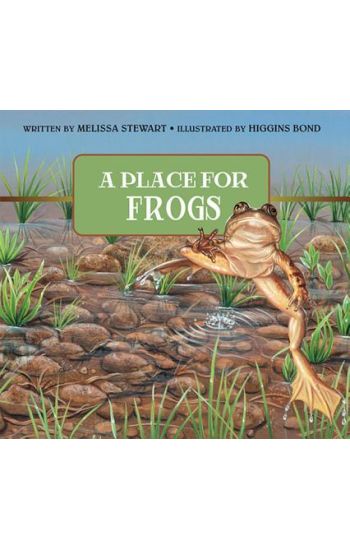
The population of frogs in the United States has been declining for the past fifty years, even in our protected national parks. What dangers do frogs face? How can we help? In simple yet engaging language, acclaimed science writer Melissa Stewart showcases twelve types of North American frogs, from the wood frog to the now rare Oregon spotted frog. Her clear narrative shows the threats these frogs face, and informative sidebars describe a wide variety of efforts to save them. In addition, remarkable full-color illustrations vividly and accurately depict the frogs within the ecosystems that support their survival. This nonfiction picture book is part of a prize-winning series designed to inform young readers about a wide range of environmental issues and to present ways people can help protect animals and their natural habitats.
The population of frogs in the United States has been declining for the past fifty years, even in our protected national parks. What dangers do frogs face? How can we help? In simple yet engaging language, acclaimed science writer Melissa Stewart showcases twelve types of North American frogs, from the wood frog to the now rare Oregon spotted frog. Her clear narrative shows the threats these frogs face, and informative sidebars describe a wide variety of efforts to save them. In addition, remarkable full-color illustrations vividly and accurately depict the frogs within the ecosystems that support their survival. This nonfiction picture book is part of a prize-winning series designed to inform young readers about a wide range of environmental issues and to present ways people can help protect animals and their natural habitats.
Winds whip. Waves crash. Rain pours down. A superstorm moves across the ocean and gets closer and closer to land. Hurricane watch! Read and find out how hurricanes form, how scientists track the storms, and what you can do to keep yourself safe if one strikes. With colorful illustrations from Taia Morley and engaging text from Melissa Stewart, Hurricane Watch is a look into a powerful natural disaster. Perfect for budding meteorologists, and recognized as an Outstanding Science Trade Book by the National Science Teachers Association, Hurricane Watch is bursting with fascinating facts paired with engaging visuals and diagrams. This picture book also includes a Find Out More section with an activity on air pressure, web research prompts, and a glossary of storm and weather vocabulary. Both text and artwork were vetted by Dr. William J. Brennan of the National Oceanic and Atmospheric Administration for accuracy. This is a Level 2 Let's-Read-and-Find-Out, which means the book explores more challenging concepts for children in the primary grades and correlates to the Common Core State Standards in English Language Arts and Next Generation Science Standards.
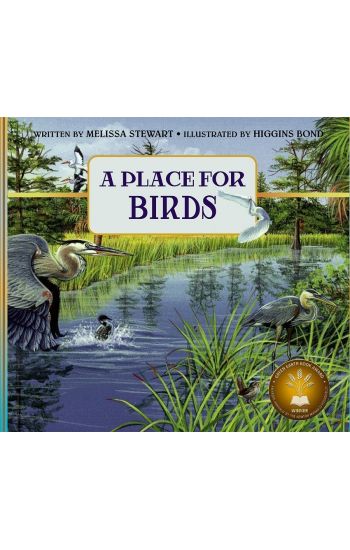
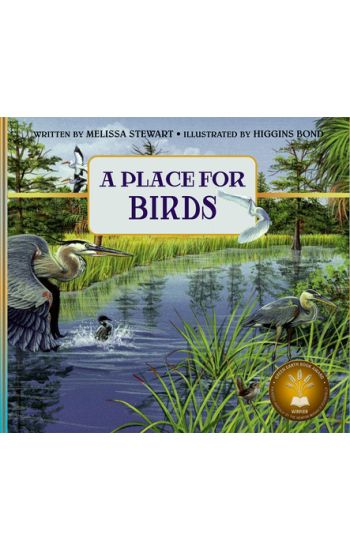
North America has almost three billion fewer birds now than it had fifty years ago. It may be hard to believe, but birds are in danger, and they are calling for our help. Sadly, humans are often the source of the harm What can we do to help save them? In simple yet compelling language, Melissa Stewart showcases twelve North American birds, from the familiar eastern bluebird to the rare Kirtland's warbler. Her clear narrative shows the threats these birds face, and informative sidebars describe a wide variety of efforts to save them. In addition, remarkable full-color illustrations vividly and accurately depict the birds within the ecosystems that support their survival. Range maps and additional bird facts are also included. This nonfiction picture book is part of the prize-winning A Place for... series designed to inform young readers about a wide range of environmental issues and to present ways people can help protect animals and their natural habitats. An ideal choice for young birders, scientists, environmentalists, and nature lovers.
North America has almost three billion fewer birds now than it had fifty years ago. It may be hard to believe, but birds are in danger, and they are calling for our help. Sadly, humans are often the source of the harm What can we do to help save them? In simple yet compelling language, Melissa Stewart showcases twelve North American birds, from the familiar eastern bluebird to the rare Kirtland's warbler. Her clear narrative shows the threats these birds face, and informative sidebars describe a wide variety of efforts to save them. In addition, remarkable full-color illustrations vividly and accurately depict the birds within the ecosystems that support their survival. Range maps and additional bird facts are also included. This nonfiction picture book is part of the prize-winning A Place for... series designed to inform young readers about a wide range of environmental issues and to present ways people can help protect animals and their natural habitats. An ideal choice for young birders, scientists, environmentalists, and nature lovers.