Kirjojen hintavertailu. Mukana 12 390 323 kirjaa ja 12 kauppaa.

Kirjailija

Melita Thomas

Kirjat ja teokset yhdessä paikassa: 6 kirjaa, julkaisuja vuosilta 2017-2025, suosituimpien joukossa The King's Pearl. Vertaile teosten hintoja ja tarkista saatavuus suomalaisista kirjakaupoista.

6 kirjaa

Kirjojen julkaisuhaarukka 2017-2025.

The King's Pearl

The King's Pearl

Melita Thomas

Amberley Publishing
2019
pokkari
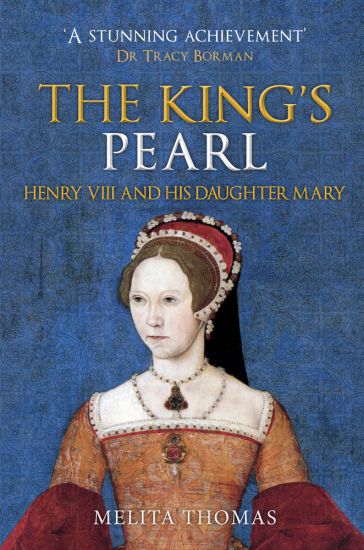
Mary Tudor has always been known as ‘Bloody Mary’, the name given to her by later Protestant chroniclers who vilified her for attempting to re-impose Roman Catholicism in England. Although a more nuanced picture of the first queen regnant has since emerged, she is still stereotyped, depicted as a tragic and lonely figure, personally and politically isolated after the annulment of her parents’ marriage and rescued from obscurity only through the good offices of Katherine Parr. Although Henry doted on Mary as a child and called her his ‘pearl of the world’, her determination to side with her mother over the annulment both hurt him as a father and damaged perceptions of him as a monarch commanding unhesitating obedience. However, once Mary had finally been pressured into compliance, Henry reverted to being a loving father and Mary played an important role in court life. As Melita Thomas points out, Mary was a gambler – and not just with cards. Later, she would risk all, including her life, to gain the throne. As a young girl of just seventeen she made the first throw of the dice, defiantly maintaining her claim to be Henry’s legitimate daughter against the determined attempts of Anne Boleyn and the king to break her spirit.
The King's Pearl

The King's Pearl

Melita Thomas

Amberley Publishing
2017
sidottu
Mary Tudor has always been known as ‘Bloody Mary’, the name given to her by later Protestant chroniclers who vilified her for attempting to re-impose Roman Catholicism in England. Although a more nuanced picture of the first queen regnant has since emerged, she is still stereotyped, depicted as a tragic and lonely figure, personally and politically isolated after the annulment of her parents’ marriage and rescued from obscurity only through the good offices of Katherine Parr. Although Henry doted on Mary as a child and called her his ‘pearl of the world’, her determination to side with her mother over the annulment both hurt him as a father and damaged perceptions of him as a monarch commanding unhesitating obedience. However, once Mary had finally been pressured into compliance, Henry reverted to being a loving father and Mary played an important role in court life. As Melita Thomas points out, Mary was a gambler – and not just with cards. Later, she would risk all, including her life, to gain the throne. As a young girl of just seventeen she made the first throw of the dice, defiantly maintaining her claim to be Henry’s legitimate daughter against the determined attempts of Anne Boleyn and the king to break her spirit. Following the 500th anniversary of Mary's birth, The King’s Pearl re-examines Mary’s life during the reign of Henry VIII and her complex, dramatic relationship with her father.

Honor Grenville

Honor Grenville

Melita Thomas

AMBERLEY PUBLISHING
2025
sidottu
Honor’s life began quietly, rose to a crescendo of drama, and then faded back into obscurity, but for some fourteen years, she was at the centre of the personal and political minefield that was the Tudor court. Although few people have heard of Honor, there is probably more information about the day-to-day life of this daughter of a Cornish gentleman, who became the king’s aunt, than of any other woman of the fifteenth or sixteenth centuries, even queens. This knowledge is contained in the vast treasure trove of the Lisle letters – thousands of papers, dating from around 1532 to 1542, that have been catalogued and transcribed in great detail. Through the letters, we can see how Honor and the people around her reacted as Henry VIII’s policies changed, and how politics affected family life, trade, religion and money. Drawing on the information from the letters and other sources to create a narrative biography of a woman who came from a gentry background in one of the most distant parts of the kingdom, to be a court lady, will give a rich new perspective on the Tudor court.
The House of Grey

The House of Grey

Melita Thomas

AMBERLEY PUBLISHING
2022
pokkari
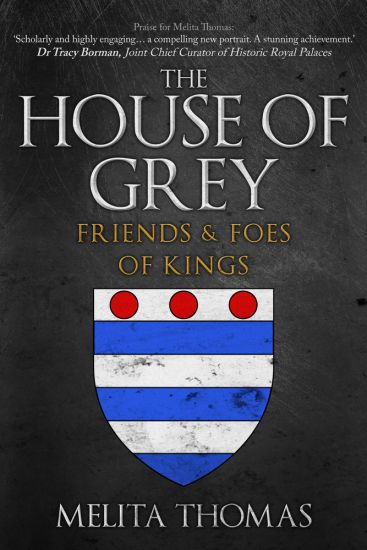
The Grey family was one of mediaeval England’s most important dynasties, serving the kings of England as sheriffs, barons and military leaders from the reign of William the Conqueror. In Henry IV’s reign the rivalry between Owain Glyndwr and Lord Grey of Ruthyn was the backdrop to the Welsh bid to throw off English dominance. His successor Edmund Grey played a decisive role at the Battle of Northampton when he changed allegiance from Lancaster to York. Edmund’s Lancastrian cousin, Sir John Grey, died at the second battle of St Albans, leaving a widow, Elizabeth née Woodville, and two young sons, Thomas and Richard. Astonishingly, the widowed Elizabeth caught the eye of Edward IV and ascended to the throne as the first Yorkist queen, giving her sons a place at the heart of the royal family. The competition for control of the young Edward V between the Greys and Richard, Duke of Gloucester, led to Richard Grey’s summary execution and the disappearance of their royal half-brothers when Gloucester became king. Thomas Grey vowed revenge and joined Henry Tudor in exile. When Thomas’s niece, Elizabeth of York, became queen, the family returned to court, but Henry VII was wary enough of Thomas to imprison him for a short time. Thomas married the greatest heiress in England, Cecily Bonville. Their numerous children gained positions in the court of their cousin, Henry VIII, and his daughter, Mary. The 2nd Marquis was a vigorous supporter of Henry VIII’s divorce from Katharine of Aragon, but his son Henry’s reckless attempt to have his own daughter crowned led to disaster and the execution of Henry, his brother and his daughter, Lady Jane Grey, the ‘Nine Days Queen’. Weaving the lives of these men and women from one family into a single narrative provides a vivid picture of the mediaeval and Tudor court, reflecting how the personal was always political, as individual relationships and rivalries for land, power and money drove national events.
The House of Grey

The House of Grey

Melita Thomas

Amberley Publishing
2019
sidottu
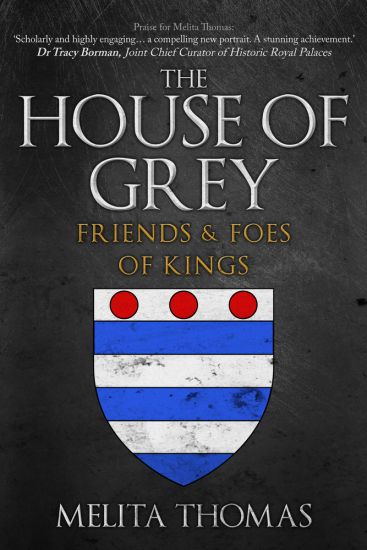
The Grey family was one of mediaeval England’s most important dynasties, serving the kings of England as sheriffs, barons and military leaders from the reign of William the Conqueror. In Henry IV’s reign the rivalry between Owain Glyndwr and Lord Grey of Ruthyn was the backdrop to the Welsh bid to throw off English dominance. His successor Edmund Grey played a decisive role at the Battle of Northampton when he changed allegiance from Lancaster to York. Edmund’s Lancastrian cousin, Sir John Grey, died at the second battle of St Albans, leaving a widow, Elizabeth née Woodville, and two young sons, Thomas and Richard. Astonishingly, the widowed Elizabeth caught the eye of Edward IV and ascended to the throne as the first Yorkist queen, giving her sons a place at the heart of the royal family. The competition for control of the young Edward V between the Greys and Richard, Duke of Gloucester, led to Richard Grey’s summary execution and the disappearance of their royal half-brothers when Gloucester became king. Thomas Grey vowed revenge and joined Henry Tudor in exile. When Thomas’s niece, Elizabeth of York, became queen, the family returned to court, but Henry VII was wary enough of Thomas to imprison him for a short time. Thomas married the greatest heiress in England, Cecily Bonville. Their numerous children gained positions in the court of their cousin, Henry VIII, and his daughter, Mary. The 2nd Marquis was a vigorous supporter of Henry VIII’s divorce from Katharine of Aragon, but his son Henry’s reckless attempt to have his own daughter crowned led to disaster and the execution of Henry, his brother and his daughter, Lady Jane Grey, the ‘Nine Days Queen’. Weaving the lives of these men and women from one family into a single narrative provides a vivid picture of the mediaeval and Tudor court, reflecting how the personal was always political, as individual relationships and rivalries for land, power and money drove national events.