Kirjojen hintavertailu. Mukana 12 414 827 kirjaa ja 12 kauppaa.
Kirjailija
Meredith L. Rowe
Kirjat ja teokset yhdessä paikassa: 6 kirjaa, julkaisuja vuosilta 2012-2025, suosituimpien joukossa 365 Words for Clever Kids!. Vertaile teosten hintoja ja tarkista saatavuus suomalaisista kirjakaupoista.
Start your child on their reading journey with these 365 first words--one for each day of the year A companion title to 365 Words for Clever Kids, this first words book introduces concepts such as colors, numbers, and shapes, as well as parts of the body, things that go, animals, and the world around us. Each word is accompanied by an engaging illustration. Compiled in consultation with a Harvard professor of early learning and development, this book will help little ones develop speaking, listening, and observational skills as they learn to identify objects.
Discover a new word for every day of the year with 365 Words for Clever Kids, a fully illustrated compendium of big words from early learning and development professor Dr. Meredith L. Rowe and illustrator Monika Forsberg. Help young readers discover a new and exciting word every day of the year with this book, which is arranged into 52 seasonally themed spreads. The scenes, featuring characters you can follow through the book, provide a fun and supportive platform to introduce little readers to 365 big words. This tool will help aspirational parents and educators alike help their child to achieve their potential, with recent studies citing vocabulary and comprehension as the number-one indicator of a child's academic potential later in life. Compiled in consultation with a Harvard professor of early learning and development, each word in this book is explained in a panel beneath the artwork to aid understanding and inspire a love of language.
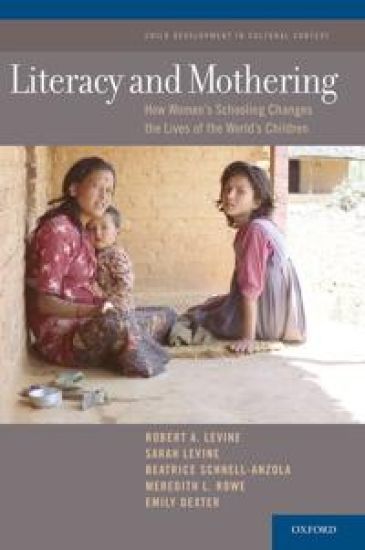
Women's schooling is strongly related to child survival and other outcomes beneficial to children throughout the developing world, but the reasons behind these statistical connections have been unclear. In Literacy and Mothering, the authors show, for the first time, how communicative change plays a key role: Girls acquire academic literacy skills, even in low-quality schools, which enable them, as mothers, to understand public health messages in the mass media and to navigate bureaucratic health services effectively, reducing risks to their children's health. With the acquisition of academic literacy, their health literacy and health navigation skills are enhanced, thereby reducing risks to children and altering interactions between mother and child. Assessments of these maternal skills in four diverse countries - Mexico, Nepal, Venezuela, and Zambia - support this model and are presented in the book. Chapter 1 provides a brief history of mass schooling, including the development of a bureaucratic Western form of schooling. Along with the bureaucratic organization of healthcare services and other institutions, this form of mass schooling spread across the globe, setting new standards for effective communication - standards that are, in effect, taught in school. Chapter 2 reviews the demographic and epidemiological evidence concerning the effects of mothers' education on survival, health, and fertility. In this chapter, the authors propose a model that shows how women's schooling, together with urbanization and changes in income and social status, reduce child mortality and improve health. In Chapter 3, the authors examine the concept of literacy and discuss how its meanings and measurements have been changed by educational research of the last few decades. Chapter 4 introduces the four-country study of maternal literacy. Chapters 5, 6, and 7 present the findings, focusing on academic literacy and its retention (Chapter 5), its impact on maternal health literacy and navigation skills (Chapter 6), and changes in mother-child interaction and child literacy skills (Chapter 7). Chapter 8 presents a new analysis of school experience, explores policy implications, and recommends further research.
Women's schooling is strongly related to child survival and other outcomes beneficial to children throughout the developing world, but the reasons behind these statistical connections have been unclear. In Literacy and Mothering, the authors show, for the first time, how communicative change plays a key role: Girls acquire academic literacy skills, even in low-quality schools, which enable them, as mothers, to understand public health messages in the mass media and to navigate bureaucratic health services effectively, reducing risks to their children's health. With the acquisition of academic literacy, their health literacy and health navigation skills are enhanced, thereby reducing risks to children and altering interactions between mother and child. Assessments of these maternal skills in four diverse countries - Mexico, Nepal, Venezuela, and Zambia - support this model and are presented in the book. Chapter 1 provides a brief history of mass schooling, including the development of a bureaucratic Western form of schooling. Along with the bureaucratic organization of healthcare services and other institutions, this form of mass schooling spread across the globe, setting new standards for effective communication - standards that are, in effect, taught in school. Chapter 2 reviews the demographic and epidemiological evidence concerning the effects of mothers' education on survival, health, and fertility. In this chapter, the authors propose a model that shows how women's schooling, together with urbanization and changes in income and social status, reduce child mortality and improve health. In Chapter 3, the authors examine the concept of literacy and discuss how its meanings and measurements have been changed by educational research of the last few decades. Chapter 4 introduces the four-country study of maternal literacy. Chapters 5, 6, and 7 present the findings, focusing on academic literacy and its retention (Chapter 5), its impact on maternal health literacy and navigation skills (Chapter 6), and changes in mother-child interaction and child literacy skills (Chapter 7). Chapter 8 presents a new analysis of school experience, explores policy implications, and recommends further research.