Kirjojen hintavertailu. Mukana 12 470 999 kirjaa ja 12 kauppaa.

Kirjailija

Michael A. Arends

Kirjat ja teokset yhdessä paikassa: 6 kirjaa, julkaisuja vuosilta 2014-2025, suosituimpien joukossa Drugs, Addiction, and the Brain. Vertaile teosten hintoja ja tarkista saatavuus suomalaisista kirjakaupoista.

6 kirjaa

Kirjojen julkaisuhaarukka 2014-2025.

Cannabis

Cannabis

George F. Koob; Michael A. Arends; Mandy L McCracken; Michel Le Moal

ELSEVIER SCIENCE PUBLISHING CO INC
2025
nidottu
Cannabis, Volume Five in the Neurobiology of Addiction series, explores the molecular and cellular systems in the brain that are responsible for both nicotine and marijuana addiction. The book includes thorough descriptions of the physiological effects and behavioral effects of nicotine and marijuana addiction. The authors clearly define the neurobiological effects into three distinct steps: Binge/Intoxication Stage, Withdrawal/Negative Affect Stage, and finally, the Preoccupation/Anticipation Stage.
Opioids

Opioids

George F. Koob; Michael A. Arends; Mandy L McCracken; Michel Le Moal

Academic Press Inc
2023
nidottu
A current survey and synthesis of the most important findings in our understanding of the neurobiological mechanisms of addiction is detailed in our Neurobiology of Addiction series, each volume addressing a specific area of addiction. Opioids, Volume 4 in the series, explores the molecular, cellular and systems in the brain responsible for opioid addiction using the heuristic three-stage cycle framework of binge/intoxication, withdrawal/negative affect, and preoccupation/anticipation.
Alcohol

Alcohol

George F. Koob; Michael A. Arends; Mandy L McCracken; Michel Le Moal

Academic Press Inc
2021
nidottu
A current survey and synthesis of the most important findings in our understanding of the neurobiological mechanisms of addiction is detailed in our Neurobiology of Addiction series, each volume addressing a specific area of addiction. ALCOHOL, Volume 3 in the series, explores the molecular, cellular, and neurocircuitry systems in the brain responsible for alcohol addiction using the heuristic three-stage cycle framework of binge/intoxication, withdrawal/negative affect, and preoccupation/anticipation.
Psychostimulants

Psychostimulants

George F. Koob; Michael A. Arends; Mandy L McCracken; Michel Le Moal

Academic Press Inc
2020
nidottu
A current survey and synthesis of the most important findings in our understanding of the neurobiological mechanisms of addiction are detailed in our Neurobiology of Addiction series, each volume addressing a specific area of addiction. Psychostimulants, Volume 2 in the series, explores the molecular and cellular systems in the brain responsible for psychostimulant addiction, including both direct/indirect sympathomimetics and nonsympathomimetics. This volume introduces the readers to the history of psychostimulant use. The authors clearly differentiate the neurobiological effects into three distinct stages of the addiction cycle: binge/intoxication, withdrawal/negative affect, and preoccupation/anticipation.
Introduction to Addiction

Introduction to Addiction

George F. Koob; Michael A. Arends; Mandy L McCracken; Michel Le Moal

Academic Press Inc
2019
nidottu
Introduction to Addiction, Volume One in the series, introduces the reader to the study of neurobiology of addiction by clearly defining addiction and its neuroadaptational views. This volume includes thorough descriptions of the various animal models applicable to the study of addiction, including Animal Models of the Binge-Intoxication Stage of the Addiction Cycle and Animal Models of Vulnerability to Addiction. The book's authors also include a section on numerous neurobiological theories that aid in the understanding of addiction, including dopamine, prefrontal cortex and relapse.
Drugs, Addiction, and the Brain

Drugs, Addiction, and the Brain

George F. Koob; Michael A. Arends; Michel Le Moal

Academic Press Inc
2014
sidottu
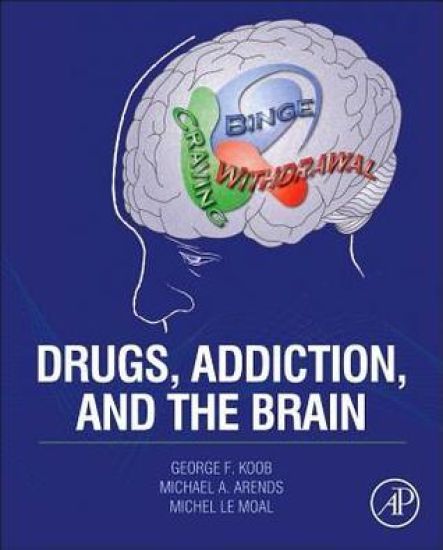
Drugs, Addiction, and the Brain explores the molecular, cellular, and neurocircuitry systems in the brain that are responsible for drug addiction. Common neurobiological elements are emphasized that provide novel insights into how the brain mediates the acute rewarding effects of drugs of abuse and how it changes during the transition from initial drug use to compulsive drug use and addiction. The book provides a detailed overview of the pathophysiology of the disease. The information provided will be useful for neuroscientists in the field of addiction, drug abuse treatment providers, and undergraduate and postgraduate students who are interested in learning the diverse effects of drugs of abuse on the brain.