

Kirjailija
Michael A Wright
Kirjat ja teokset yhdessä paikassa: 20 kirjaa, julkaisuja vuosilta 2012-2025, suosituimpien joukossa The Forgotten Gods. Vertaile teosten hintoja ja tarkista saatavuus suomalaisista kirjakaupoista.
20 kirjaa
Kirjojen julkaisuhaarukka 2012-2025.












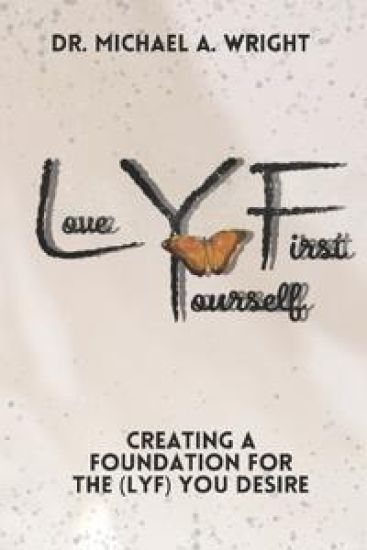
Section I, titled "Defining Love with Self in Mind," forms the heart of the book. Chapter 1, "Love in Actions (Active)," introduces the principles of active love and explores how individuals can implement this form of love in their everyday lives. Dr. Wright emphasizes the importance of taking tangible actions that align with self-love and provides cognitive practices to reinforce these behaviors.Chapter 2, "Saying 'I Love You' (Verbal)," focuses on the power of verbal love. Dr. Wright offers principles for expressing love through words and practical ways to incorporate verbal affirmations into our relationships, especially with ourselves. Readers are encouraged to engage in verbal love cognitive practices to foster self-acceptance and self-compassion.In Chapter 3, "Thinking I Love You (Thoughtful)," Dr. Wright explores the principles of thoughtful love. Through practical examples and exercises, he guides readers in cultivating a loving and compassionate mindset toward themselves. The chapter concludes with thoughtful love cognitive practices to reinforce positive self-perception.Chapter 4, "Love Under Pressure (Motivational)," addresses the challenges that arise during difficult times and offers principles of motivational love. Dr. Wright provides strategies for maintaining self-love and motivation in the face of adversity and explores cognitive practices that contribute to emotional resilience.Chapter 5, "Love in Good Faith (Inspirational)," explores the principles of inspirational love. Dr. Wright encourages readers to find inspiration within themselves and shows how this can lead to personal growth and a profound sense of purpose. Inspirational love cognitive practices further support readers in embracing their unique qualities and potential.Section II of the book, titled "Love Practice," contains chapters that guide readers toward a deeper understanding and embodiment of self-love. Chapter 6, "Loving Yourself First," emphasizes the importance of prioritizing self-care and offers practical steps to cultivate a loving relationship with oneself.Chapter 7, "Practice Love," expands on the concept of love beyond oneself and guides on developing healthy relationships with others. Dr. Wright's insights and recommendations serve as a valuable resource for building strong, meaningful connections.In Chapter 8, "Becoming Love," Dr. Wright explores the transformative power of love and guides readers on the path to becoming embodiments of love in their daily lives. This chapter serves as a beacon of hope and inspiration for readers seeking personal growth and positive change.Chapter 9, "Being Love," invites readers to embody love as a way of being and nourishing their relationships, career, and overall well-being. Dr. Wright provides practical tools and wisdom to help readers integrate love into every aspect of their lives.Section III, titled "Spiritual Abundance," delves into the spiritual dimension of self-love. Chapter 10, "Introducing the Spiritual Plane," explores the connection between spirituality and self-love, inviting readers to explore their spirituality as a means of nurturing their self-esteem and personal growth.Chapter 11, "Returning to God as Source," delves further into the spiritual journey, guiding readers on a path of deep connection with their higher power. Dr. Wright provides insights and practices to help readers establish or strengthen their spiritual connection, highlighting its role in the practice of self-love.In Chapter 12, "Love from Abundance," readers are encouraged to cultivate an abundance mindset and approach love from a place of abundance rather than scarcity. Dr. Wright provides practical steps for embracing abundance and experiencing a greater sense of love and fulfillment in life.

"Losing Them, Finding You" is a guide aimed at helping individuals navigate the challenging process of closure, recovery, and starting over after experiencing a significant loss in their lives. Divided into four sections, the series explores different aspects that contribute to personal growth and healing.The first section, "Reasoning Needs," focuses on the importance of closure and how to achieve it. It discusses the emotional targets of concluding with emotional intelligence, discernment, and capacity, and suggests physical actions such as research, experiments, and staying informed to aid in the closure process. The section also emphasizes the significance of answering questions with awareness and shifting focus from their feelings to yours.The second section, "Character Traits," delves into the traits individuals need to cultivate within themselves during the recovery process. It highlights the importance of allowing others their faults and suggests physical actions like resolving conflicts, seeking help, and helping others to foster ownership and autonomy. The section also explores the topic of personhood and how individuals can stoke their emotional intelligence to aid in recovery."Mental Flexibilities," the third section, emphasizes the importance of adaptability and self-reflection in the process of starting over. It suggests emotional targets of allowing, positivity, and non-striving, and recommends physical actions such as working smarter, solving problems, and embracing uncertainty. The section also delves into the significance of self-reflection, journaling, sharing, and doing grief work, as well as the role of gratitude in finding joy consistently.The final section, "Growth Habits," focuses on developing essential habits that contribute to personal growth and development. It discusses resourcefulness and the importance of trust, as well as the significance of emotional space and productive change. The section also explores the concept of removing limits, blame, and collaboration as important aspects of personal growth.
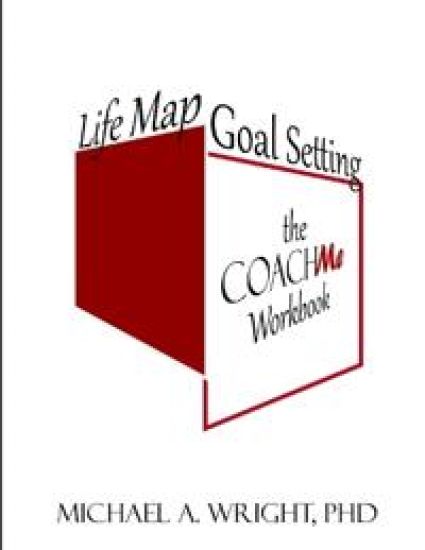
Life Map Goal Setting is based on the wisdom of the COACH Method, branded in the COACH Me intervention and provided here as a workbook. You will find a mindset, tools, and techniques that will optimize your intelligence and your schedule as well. This workbook has 5 overarching competencies. 1.Effectively identify and manage all available resources. 2.Implement goal setting based on a carefully scaffolded vision. 3.Partialize projects, breaking them into their component parts. 4.Prioritize projects for the greatest efficiency and productivity. 5.Manufacture discipline as a skill resulting in perpetual motivation
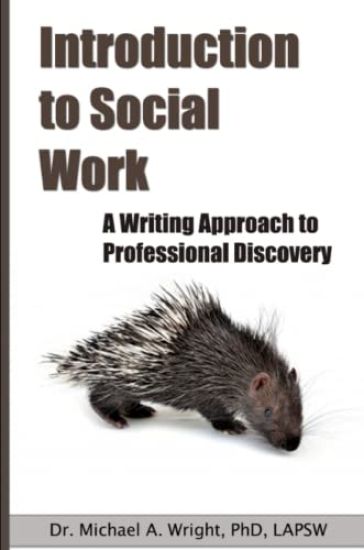
In this Introduction to Social Work text, the Hegelian Dialectic (thesis, antithesis, synthesis) is introduced. An example essay is provided at the end of each chapter. A rubric is also provided in this text to support evaluation of the form requirement. The goal is for students to learn and practice logical writing and receive an introduction to synthesis/integration. Students practice the ability to articulate how two contradictory ideas can coexist. The reward reveals itself in later classes. Logic discussions and literature review are potentially less dualistic. Students evidence a greater tolerance for ambiguity and opposing viewpoints during discussions.
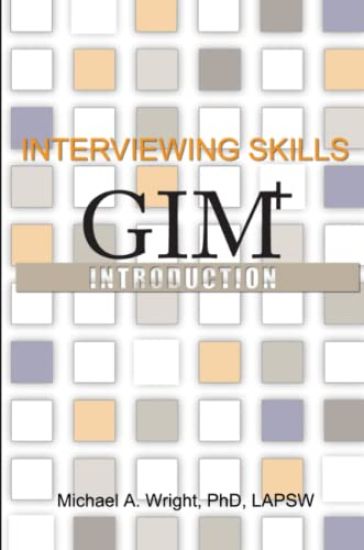
Generalist Intervention Model (GIM) with a plus. The plus is Preparation, self-reflectiveness knowledge. The Termination skill includes a perspective on former clients as sponsors of new clients. The Follow-up skill includes information on training report creation.