Kirjojen hintavertailu. Mukana 12 595 353 kirjaa ja 12 kauppaa.

Kirjailija

Michael C. Hardy

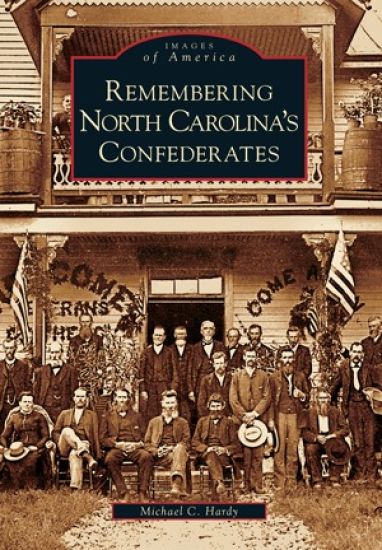
Kirjat ja teokset yhdessä paikassa: 24 kirjaa, julkaisuja vuosilta 2005-2025, suosituimpien joukossa Remembering North Carolina's Confederates. Vertaile teosten hintoja ja tarkista saatavuus suomalaisista kirjakaupoista.

Mukana myös kirjoitusasut: Michael C Hardy

24 kirjaa

Kirjojen julkaisuhaarukka 2005-2025.

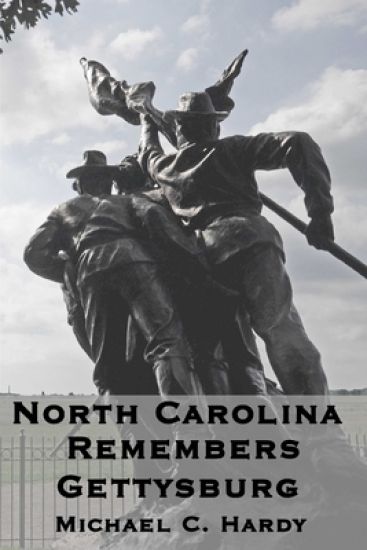
North Carolina Remembers gettysburg

North Carolina Remembers gettysburg

Michael C Hardy

Lulu.com
2018
pokkari
North Carolina Remembers Gettysburg contains eighty-four letters, originally published in newspapers, by Tar Heel soldiers. Some letters were written while the battle still raged, while others were penned decades after the war. These accounts explain, defend, and chronicle what North Carolinians did those hot, dusty July days in Pennsylvania.
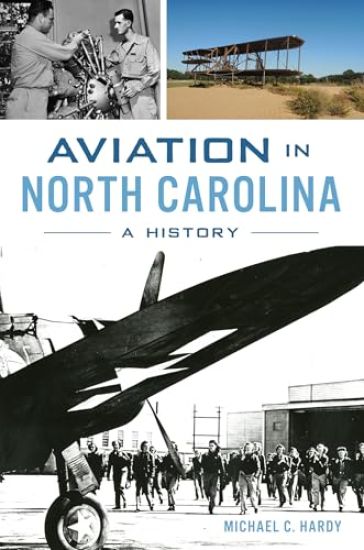
Aviation in North Carolina: A History

Aviation in North Carolina: A History

Michael C. Hardy

History Press
2025
nidottu
History Beyond Kitty Hawk Millions of North Carolina license plates affirm the state's claim of "First in Flight," honoring the December 1903 accomplishment of the Wright brothers on the Outer Banks. Yet the history of aviation in North Carolina goes well beyond that first powered flight at Kitty Hawk. Numerous aviation inventors and innovators called the state home. North Carolina airports hosted legendary fliers like Charles Lindbergh, Eddie Rickenbacker and Amelia Earhart. During World War II, aviators trained at several military bases and flew patrols along the coast seeking enemy submarines. The state produced its own airlines, like Piedmont Airlines and Wheeler Airlines, and various sites across the state played aviation-related roles in the Cold War and the Space Race. Michael C. Hardy details the storied history of North Carolina in flight.
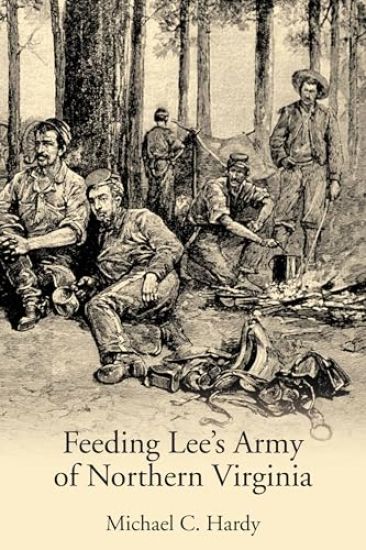
Feeding Lee’s Army of Northern Virginia

Feeding Lee’s Army of Northern Virginia

Michael C Hardy

Savas Beatie
2025
sidottu
Carlton McCarthy, a former artilleryman with the Richmond Howitzers, noted after the war that historians would only write about big battles and campaigns, not how the common soldier fried his bacon and baked his biscuits. McCarthy was correct. Save for a few small references in scattered books, no one has set out to document how an army was fed, or the daily eating habits of Confederate soldiers until Michael C. Hardy’s Feeding Lee’s Army of Northern Virginia. Although seldom studied, food (or the lack thereof) and the logistics behind it played a critical role during the war, contributed mightily to the success and failure of campaigns, and impacted the overall outcome of the conflict. Understanding how soldiers fried their bacon and baked their biscuits, how they ate and, very often, went hungry, is a vital tool to understanding their individual experiences and the larger history of supply and logistics within the Confederate army. Hardy bases his unique study on more than 300 sets of letters and diaries that closely examine the importance of sustenance in the day-to-day life of the soldiers in the Army of Northern Virginia. Various chapters examine food issued by the army, food sent from home, and food carried, collected, and eaten during campaigns. These accounts dispel many misconceptions and assumptions about food during the war and provide a rich and complex picture of the arduous journey various meats, grains, and other foodstuffs underwent to reach the hungry soldiers in the field. In addition to the common soldier, Feeding Lee’s Army of Northern Virginia examines what the Confederate high command ate and also explores the relationship between hospitals and food, demonstrating the importance of proper nutrition in the recovery and care of the wounded. The vital role of camp servants is also studied, as is the critical connection between proper nutrition and morale. The voices of the men themselves provide a multi-faceted examination of this critical, but often overlooked, field of history. Battles and campaigns would not have been possible without a proper diet and a functioning logistical system to support the men at the front. Feeding Lee’s Army of Northern Virginia offers invaluable insight into this overlooked and understudied topic that made it all possible.
Hidden History of the Toe River Valley

Hidden History of the Toe River Valley

Michael C Hardy

History Pr
2023
sidottu
Tales from North Carolina's high country.The Toe River winds its way past the peaks of Mount Mitchell and into the valley that bears its name. Mineral mines go back to the earliest days of Yancey County and encouraged some of the first settlers to come to the region. Mitchell County's Bakersville experienced violent unrest, with a riot and a lynching, in 1892--but did it actually happen? The section of the Blue Ridge Parkway that runs through Avery County was left incomplete for years because of a property dispute with the owner of Grandfather Mountain. Take a journey along forgotten rail lines, through abandoned communities and past sites whose histories have shaped this valley's story just as the river has shaped its landscape. North Carolina historian and author Michael C. Hardy explores the hidden historical gems of the region.
History Lover's Guide to North Carolina
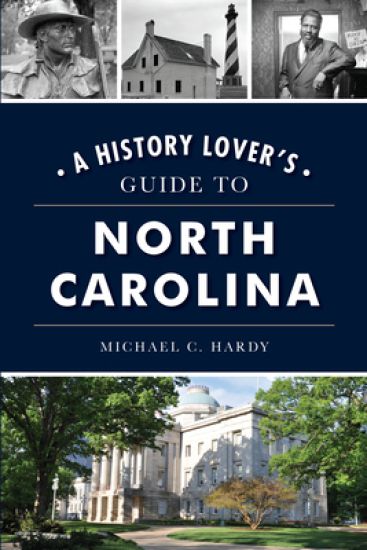
Tour the Old North State's famous--and not-so-famous--historic sites.First in Freedom, First in Flight, and First, Farthest and Last are all honorifics that have been used to describe North Carolina's well-known history. Learn the truth behind each of these epithets and other tales from the sands of the Outer Banks to the bustling cities of the Piedmont and the western mountains. Tour the state's famous historic homes, gardens and cemeteries. Dive deep into its military conflicts, from the golden age of piracy to the Second World War. Join North Carolina's veteran historian, Michael C. Hardy, for an exploration of the many sites, monuments, museums, and public spaces that tell story of North Carolina's history.
Lee's Body Guards: The 39th Virginia Cavalry

Lee's Body Guards: The 39th Virginia Cavalry

Michael C. Hardy

History Press Library Editions
2019
sidottu
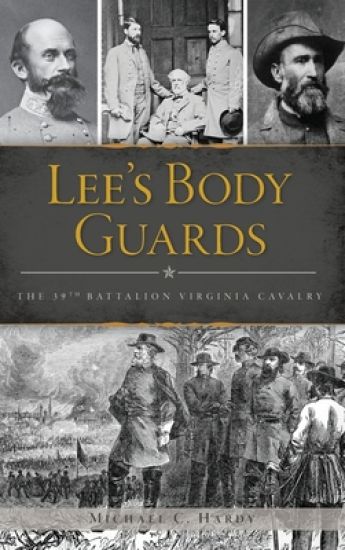
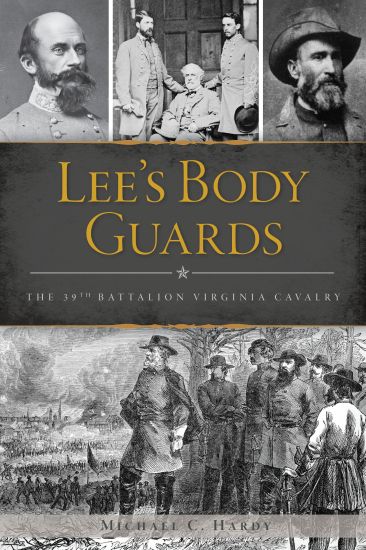
They considered themselves "Lee's Body Guard," cavalrymen specifically recruited to serve as scouts, couriers and guides for General Robert E. Lee. Though their battle experiences might pale compared to those of soldiers under J.E.B. Stuart and Wade Hampton, the men of the 39th Virginia served crucial roles in the Confederate army. From the fields of Second Manassas to Appomattox Court House, they were privy to the inner workings of the Confederate high command. They were also firsthand witnesses to the army's victories and triumphs and to its tragedies and trials, from losing Stonewall Jackson at Chancellorsville to losing the opportunity to win the war at Gettysburg. Award-winning author Michael C. Hardy chronicles the experiences of this unique group of Confederate cavalrymen.
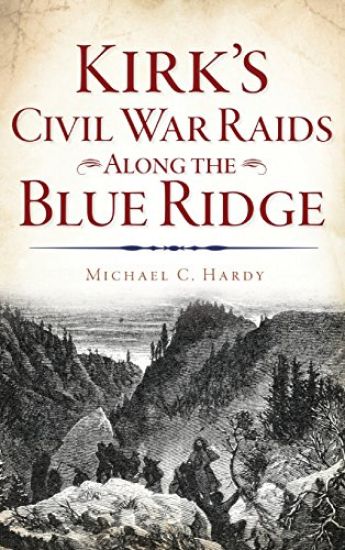
Kirk's Civil War Raids Along the Blue Ridge

Kirk's Civil War Raids Along the Blue Ridge

Michael C. Hardy

History Press Library Editions
2018
sidottu
In the Southern Appalachian Mountains, no character was more loved or despised than Union officer George W. Kirk. He led a group of deserters on numerous raids between Tennessee and North Carolina in 1863. At Camp Vance in Morganton, Kirk's mounted raiders showcased guerrilla warfare penetrating deep within Confederate territory. As Home Guards struggled to keep Western North Carolina communities safe, Kirk's men brought fear throughout the region for their ability to strike and create havoc without warning. Civil War historian Michael C. Hardy examines the infamous history of George W. Kirk and the Civil War along the Blue Ridge.
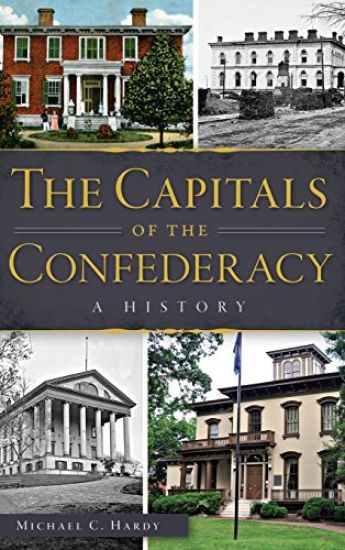
The Capitals of the Confederacy: A History

The Capitals of the Confederacy: A History

Michael C. Hardy

History Press Library Editions
2015
sidottu
The Confederate States of America boasted five capital cities in four years. The center of the Confederate government moved from one Southern city to another, including Montgomery, Richmond, Danville, Greensboro and Charlotte. From the heady early days of the new country to the dismal last hours of a transient government, each city played a role in the Confederate story. While some of these sites are commemorated with impressive monuments and museums, others offer scant evidence of their importance in Civil War history. Join award-winning historian Michael C. Hardy as he recounts the harrowing history of the capitals of the Confederacy.
The Capitals of the Confederacy: A History

The Capitals of the Confederacy: A History

Michael C. Hardy

History Press
2015
nidottu
The Confederate States of America boasted five capital cities in four years. The center of the Confederate government moved from one Southern city to another, including Montgomery, Richmond, Danville, Greensboro and Charlotte. From the heady early days of the new country to the dismal last hours of a transient government, each city played a role in the Confederate story. While some of these sites are commemorated with impressive monuments and museums, others offer scant evidence of their importance in Civil War history. Join award-winning historian Michael C. Hardy as he recounts the harrowing history of the capitals of the Confederacy.
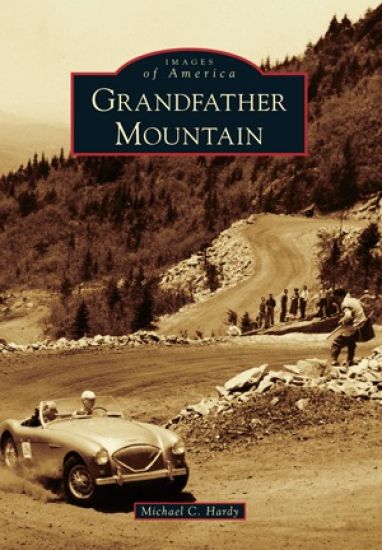
Grandfather Mountain

Grandfather Mountain

Michael C. Hardy

Arcadia Publishing (SC)
2014
nidottu
Few natural features possess as much personality as the peaks of Grandfather Mountain, which dominate the skyline between Boone and Linville. The mountain takes its name from its resemblance to the profile of a sleeping old man; it was known to Cherokee hunters as Tanawha, or fabulous eagle. Later visitors came to see the magnificent views, brave the famous Mile-High Swinging Bridge, and observe the native flora. The mountain is billed as North Carolina's top scenic attraction. The advent of photography made Grandfather Mountain the High Country's most photographed celebrity, with images crafted by the mountain's longtime owner and champion, legendary photographer Hugh Morton, as well as mementos of family gatherings and individual visits. Grandfather Mountain showcases the rich natural and recreational history of this North Carolina landmark.
Watauga County, North Carolina, in the Civil War

Watauga County, North Carolina, in the Civil War

Michael C. Hardy

History Press Library Editions
2013
sidottu
Some say that Watauga County's name comes from a word meaning beautiful waters," yet during the Civil War, events in this rugged western North Carolina region were far from beautiful. Hundreds of the county's sons left to fight gloriously for the Confederacy. This left the area open to hordes of plundering rogues from East Tennessee, including George W. Kirk's notorious band of thieves. While no large-scale battles took place there, Boone was the scene of the beginning of Stoneman's 1865 raid. The infamous Keith and Malinda Blalock called Watauga County home, leading escaped POWs and dissidents from Blowing Rock to Banner Elk. The four brutal years of conflict, followed by the more brutal Reconstruction, changed the county forever. Join Civil War historian Michael C. Hardy as he reveals Watauga County's Civil War sacrifices and heroism, both on and off the battlefield."
Civil War Charlotte: Last Capital of the Confederacy

Civil War Charlotte: Last Capital of the Confederacy

Michael C. Hardy

History Press Library Editions
2012
sidottu
Though always an important North Carolina city, Charlotte truly helped to make history during the Civil War. The city's factories produced gunpowder, percussion caps, and medicine for the Confederate cause. Perhaps most importantly, Charlotte housed the Confederate Naval Ordnance Depot and Naval Works, manufacturing iron for ironclad vessels and artillery projectiles, and providing valuable ammunition for the South. Charlotte also sent over 2,500 men into the Confederate army, and played home to a military hospital, a Ladies Aid Society, a prison and even the mysterious Confederate gold. When Richmond fell, Jefferson Davis set up his headquarters in Charlotte, making it the unofficial capital. Join historian Michael C. Hardy as he recounts the triumphs and struggles of Queen City civilians and soldiers in the Civil War.
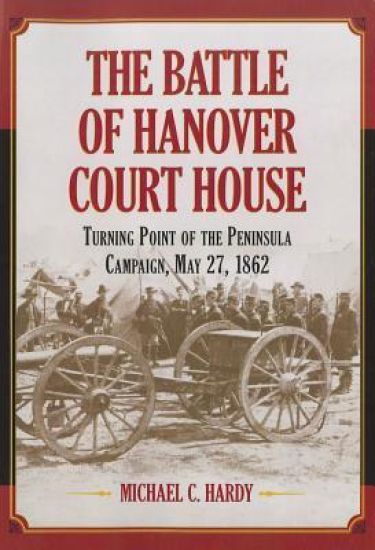
The Battle of Hanover Court House

The Battle of Hanover Court House

Michael C. Hardy

McFarland Co Inc
2011
pokkari
One year into the Civil War, beset by military and political pressures, General George B. McClellan committed his Army of the Potomac to the Peninsula Campaign, with the capture of Richmond his ultimate goal. Hampered by Lincoln's demand for troops to protect Washington, a limited Union Army entered a series of battles around the community of Hanover Court House, Virginia. Although they forced a Confederate retreat, they missed the opportunity to press on and capture Richmond--an opportunity that never came again. Here is the first detailed look at the battle most widely known as Hanover Court House and Slash Church, focusing on the engagements between Union V Corps commander Fitz John Porter and Confederate General Lawrence O'Bryan Branch. Photographs are included, along with appendices featuring the official reports of both commanders and lists of casualties from both sides.
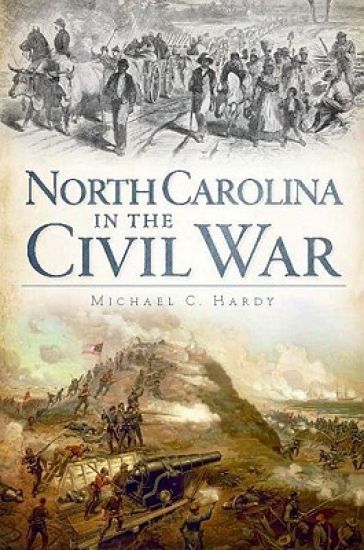
North Carolina in the Civil War

North Carolina in the Civil War

Michael C. Hardy

History Press
2011
nidottu
Civil War scholar Michael Hardy delves into the story of North Carolina's Confederate past, from civilians to soldiers, as these Tar Heels proved they were a force to be reckoned with."First at Bethel, farthest at Gettysburg and Chick
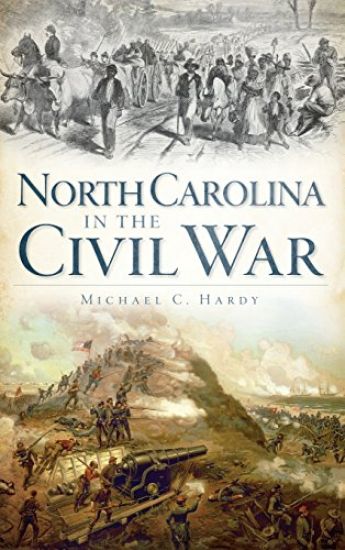
North Carolina in the Civil War

North Carolina in the Civil War

Michael C. Hardy

History Press Library Editions
2011
sidottu
"First at Bethel, farthest at Gettysburg and Chickamauga and last at Appomattox" is a phrase that is often used to encapsulate the role of North Carolina's Confederate soldiers. But the state's involvement stretched far beyond these few battles. The state was one of the last to leave the Union but contributed more men and sustained more dead than any other Southern state. Tar Heels witnessed the pitched battles of New Bern, Averysboro and Bentonville, as well as incursions like Sherman's March and Stoneman's Raid. Join Civil War scholar Michael Hardy as he delves into the story of North Carolina in the Civil War, from civilians to soldiers, as these valorous Tar Heels proved they were a force to be reckoned with.