Kirjojen hintavertailu. Mukana 12 595 353 kirjaa ja 12 kauppaa.

Kirjailija

Michael J. Spivey

Kirjat ja teokset yhdessä paikassa: 2 kirjaa, julkaisuja vuosilta 2020-2021, suosituimpien joukossa Cognitive Science - International Student Edition. Vertaile teosten hintoja ja tarkista saatavuus suomalaisista kirjakaupoista.

2 kirjaa

Kirjojen julkaisuhaarukka 2020-2021.

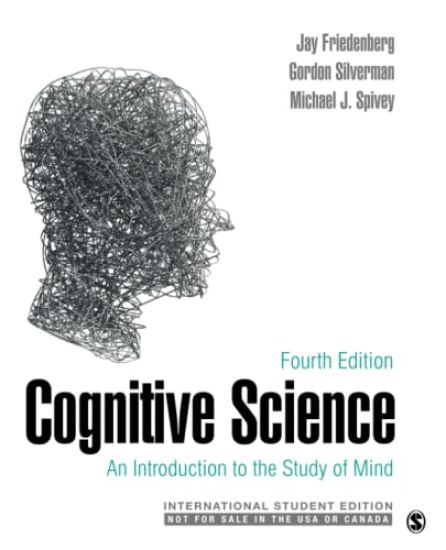
Cognitive Science - International Student Edition

Cognitive Science - International Student Edition

Jay D. Friedenberg; Gordon W. Silverman; Michael J. Spivey

SAGE PUBLICATIONS INC
2021
nidottu
Cognitive Science provides a comprehensive and up-to-date introduction to the study of the mind. The authors examine the mind from the perspective of different fields, including philosophy, psychology, neuroscience, networks, evolution, emotional and social cognition, linguistics, artificial intelligence, robotics, and the new framework of embodied cognition. Each chapter focuses on a particular disciplinary approach and explores methodologies, theories, and empirical findings. Substantially updated with new and expanded content, the Fourth Edition reflects the latest research in this rapidly evolving field.
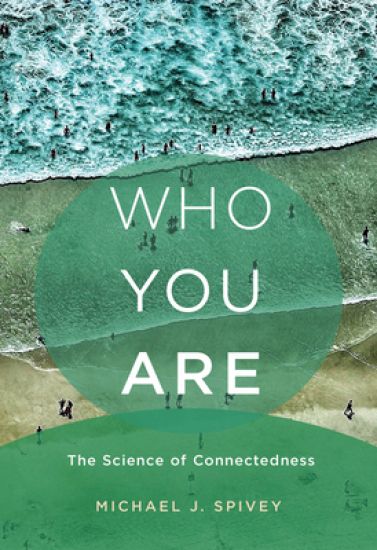
Who You Are

Who You Are

Michael J. Spivey

MIT Press
2020
sidottu
Why you are more than just a brain, more than just a brain-and-body, and more than all your assumptions about who you are.Who are you? Are you just a brain? A brain and a body? All the things you have done and the friends you have made? Many of us assume that who we really are is something deep inside us, an inner sanctuary that contains our true selves. In Who You Are, Michael Spivey argues that the opposite is true: that you are more than a brain, more than a brain-and-body, and more than all your assumptions about who you are. Rather than peeling layers away to reveal the inner you, Spivey traces who you are outward. You may already feel in your heart that something outside your body is actually part of you-a child, a place, a favorite book. Spivey confirms this intuition with scientific findings.With each chapter, Spivey incrementally expands a common definition of the self. After (gently) helping you to discard your assumptions about who you are, he draws on research in cognitive science and neuroscience to explain the back-and-forth among all the regions of the brain and the interaction between the brain and body. He then makes the case for understanding objects and locations in your environment as additional parts of who we are. Going even further, he shows that, just as interaction links brain, body, and environment, ever-expanding systems of interaction link humans to other humans, to nonhuman animals, and to nonliving matter. This may seem an interaction or two too far. But you don't have to take his word for it-just consider the evidence he presents.