Kirjojen hintavertailu. Mukana 12 657 676 kirjaa ja 12 kauppaa.
Kirjailija
Michael Murray
Kirjat ja teokset yhdessä paikassa: 39 kirjaa, julkaisuja vuosilta 1992-2026, suosituimpien joukossa National 5 Physics. Vertaile teosten hintoja ja tarkista saatavuus suomalaisista kirjakaupoista.
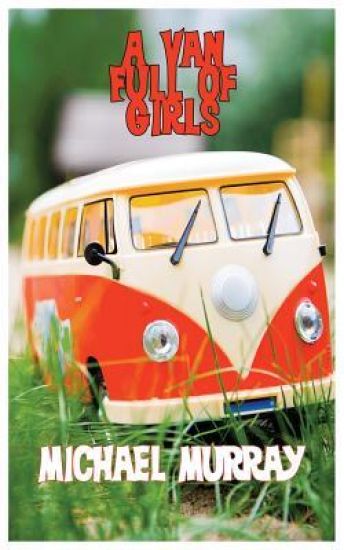
Have you ever been in a van full of girls? All the girls are alive and they're happy. You're all heading off to do something whimsical and flirty and maybe a little bit drunk. You're going to see a Beach Boys tribute band. You're going to the casino to bet it all on red. You're going to a seance that you just know is going to end in skinny-dipping. Something like that. A Van Full of Girls is a collection of short, dizzy, funny things. It's zippy and unpredictable, like a mongoose, but it's dead sexy. You will want to take Polaroids of each precious, little missive contained within and then tape each one to your fridge. You will want to give this book to somebody you need to love you.
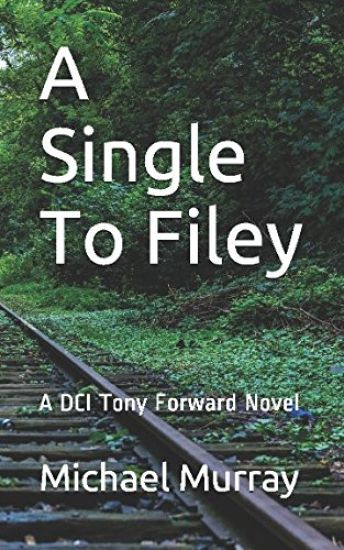
Detective Chief Inspector Tony Forward's hobby is directing amateur theatricals. His latest production for the Sandleton-on-Sea Players is "The Cherry Orchard".It's nearly midnight and he still hasn't completed the dress rehearsal. Then duty calls: a man with fatal head injuries has been discovered in a remote bay on the East Yorkshire coast.The man's name is Mark Coulson and he's the Headteacher of a local primary school. But no-one seems able to explain why this respectable, professional man was at such an isolated spot so late at night. His wife is the most mystified of all.Why were Mr Coulson's pockets empty? Sergeant Wilmott believes robbery was the motive. But if the killer had stolen Coulson's car keys why is his car still parked nearby?Was Mr Coulson murdered by a jealous boyfriend or husband? That's what DC Diane Griffiths thinks. But Mr Coulson's Chair of Governors says he was a boring man whose only interest was his work.With such a baffling case to solve how can DCI Forward find time for "The Cherry Orchard"?
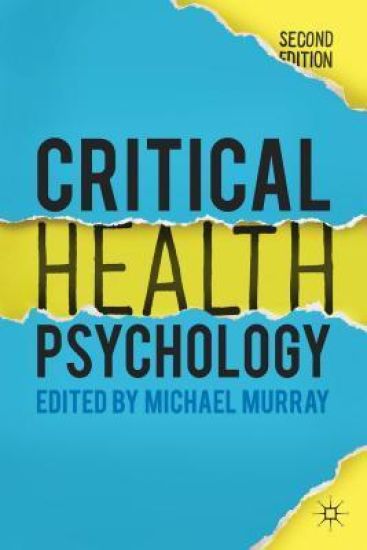
What is critical health psychology? How is it changing the way we think about topics like ageing, the community and gender? What can it tell us about our understanding of health and illness?The second edition of this highly regarded text has been thoroughly updated to take account of the changes in the field over the last decade. It includes new chapters on ageing and health, critical disability studies and critical anthropology, and it features contributions from world leading researchers.Examining the debates and disputes that lie at the heart of health psychology, this new edition offers a refreshing critical perspective. It is invaluable reading for students of health psychology, critical psychology and community psychology.
What is critical health psychology? How is it changing the way we think about topics like ageing, the community and gender? What can it tell us about our understanding of health and illness?The second edition of this highly regarded text has been thoroughly updated to take account of the changes in the field over the last decade. It includes new chapters on ageing and health, critical disability studies and critical anthropology, and it features contributions from world leading researchers.Examining the debates and disputes that lie at the heart of health psychology, this new edition offers a refreshing critical perspective. It is invaluable reading for students of health psychology, critical psychology and community psychology.
Publisher's Note: Products purchased from Third Party sellers are not guaranteed by the publisher for quality, authenticity, or access to any online entitlements included with the product.Convert the latest genomic data to the most effective patient management and treatment approachesClinical Genomics helps healthcare providers translate the vast amount of new genomic data into successful clinical application. It is a comprehensive textbook and practical guide to the use of this information across a broad spectrum of adult diseases – from individual differences in drug responses, cardiac andcancer risks to Alzheimer's and other neurological and psychiatric disorders.While traditional textbooks on medical genetics focus on classic Mendelian disorders, Clinical Genomics discusses the everyday application of genetic assessment and the diagnostic, therapeutic, and preventiveimplications to the most common adult diseases that healthcare providers encounter. Covering approximately 200 conditions, it is a true clinical text for use across all of internal medicine.Coverage of each condition is presented in a consistent,clinically relevant manner and includes:Key PointsDiagnostic Criteria and Clinical CharacteristicsScreening and C ounselingManagement and TreatmentMolecular Genetics and Molecular MechanismSupplementary InformationMore than ten valuable appendices, include Genetic Privacy; Race, Ancestry, and Genetics; Personalized Medicine in Clinical Practice; Clinical Interpretationof Genomic Data; and Genetic Risk Profiling in the Genomics Era.Clinical Genomics is essential for internists, primary care physicians, and other healthcare providers who wish to increase their knowledge of the gene-and-protein level care of patients in a clinical setting.
1970s - London - Fleet Street.Julia's Room is a novella which tells the story of Alan, a young reporter working in Fleet Street. By the end of the day he will have been humiliated by a colleague; stunned by the revelations of a stranger in a pub; and had his illusions about the beautiful Julia destroyed forever.
Cognitive Behavioral Therapy for the Busy Child Psychiatrist and Other Mental Health Professionals is an essential resource for clinical child psychologists, psychiatrists and psychotherapists, and mental health professionals. Since 2001, psychiatry residency programs have required resident competency in five specific psychotherapies, including cognitive-behavioral therapy. This unique text is a guidebook for instructors and outlines fundamental principles, while offering creative applications of technique to ensure that residency training programs are better equipped to train their staff.
While the problem of evil remains a perennial challenge to theistic belief, little attention has been paid to the special problem of animal pain and suffering. This absence is especially conspicuous in our Darwinian era when theists are forced to confront the fact that animal pain and suffering has gone on for at least tens of millions of years, through billions of animal generations. Evil of this sort might not be especially problematic if the standard of explanations for evil employed by theists could be applied in this instance as well. But there is the central problem: all or most of the explanations for evil cited by theists seem impotent to explain the reality of animal pain and suffering through evolutionary history. Nature Red in Tooth and Claw addresses the evil of animal pain and suffering directly, scrutinizing explanations that have been offered for such evil.
Participatory Rural Planning presents the argument that citizen participation in planning affairs transcends a rights-based legitimacy and an all too frequent perception of being mere consultation. Rather, it is part of a social learning process that can enhance the prospects for successful implementation, provide opportunity for reflection and create a mutuality of respect between different stakeholders in the planning arena. Accordingly, Michael Murray signposts what can work well and what should work differently in regard to participatory planning by taking rural Ireland as the empirical laboratory and exploring the Irish experience at different spatial scales from the village, through to the locality, the sub regional and the regional levels.
While the problem of evil remains a perennial challenge to theistic belief, little attention has been paid to the special problem of animal pain and suffering. This absence is especially conspicuous in our Darwinian era when theists are forced to confront the fact that animal pain and suffering has gone on for at least tens of millions of years, through billions of animal generations. Evil of this sort might not be especially problematic if the standard of explanations for evil employed by theists could be applied in this instance as well. But there is the central problem: all or most of the explanations for evil cited by theists seem impotent to explain the reality of animal pain and suffering through evolutionary history. Nature Red in Tooth and Claw addresses the evil of animal pain and suffering directly, scrutinizing explanations that have been offered for such evil.
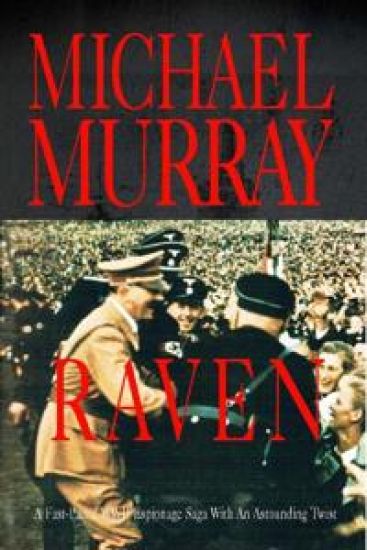
It is a year after August Street, a senior fellow at the H P Carlisle foundation (a research institute), has published a book entitled "Raven". Though Street used Top Secret British documents that are now declassified to describe the book's events, he and his publisher agreed to release the book as fiction. Street believes the story is about the darkest days of World War II. When Britain prepared for the invasion code-named Operation Sealion, Britain ambushed Hitler's private train, killed Hitler, and had actor Archie Smthyes impersonate the Nazi dictator long enough to issue a single order: Stand down from Operation Sealion. And when it came time for Smthyes to step down and escape the Nazis, he refused. Consequently, two fatal decisions were made in Churchill's war room. The first resulted in the murder of six million Jews, and the second cost the lives of 20 million Russians. The HP Carlisle foundation confronts Street to sign a document asserting that Raven is nothing more than the product of his imagination. When Street refuses, he is released from the institute.This he can accept, but when he realises that he is being stripped of his identity -- and his physical presence in America -- he is forced to act!
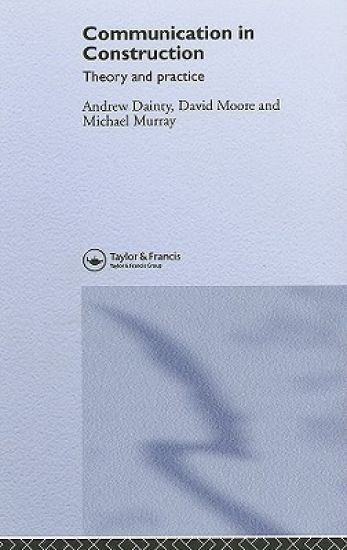
Communication within project-based environments presents special challenges. This is especially true within the construction industry, where interaction tends to be characterised by unfamiliar groups of people coming together for short periods before disbanding to work on other endeavours. This book examines communication at a number of levels ranging from interpersonal interactions between project participants to corporate communication between organizations. Several non-typical perspectives on the process of communication are introduced to encourage the reader to think about communication in a more innovative manner. The combination of differing perspectives illustrates the diversity of communication problems facing those working within project-based environments. Practical guidance is provided on possible solutions to communication problems, and a number of examples and case studies are presented.
Communication within project-based environments presents special challenges. This is especially true within the construction industry, where interaction tends to be characterised by unfamiliar groups of people coming together for short periods before disbanding to work on other endeavours. This book examines communication at a number of levels ranging from interpersonal interactions between project participants to corporate communication between organizations. Several non-typical perspectives on the process of communication are introduced to encourage the reader to think about communication in a more innovative manner. The combination of differing perspectives illustrates the diversity of communication problems facing those working within project-based environments. Practical guidance is provided on possible solutions to communication problems, and a number of examples and case studies are presented.
During a declassification of World War II documents, August Street, an American investigator, uncovers references to something called Operation Raven. Apparently, it was a top secret attack by British commandos on a train deep inside Germany prior to the launching of Operation Sealion, Nazi Germany's planned invasion of England in 1940. The tantalizing, incomplete, yet potentially explosive clues in the declassified documents cause Street to search out Thomas MacQueen, the only surviving commando of the operation. What Street discovers during that meeting is an astonishing secret that could blow the lid off everything that everyone ever knew about World War II in Europe. Operation Raven had one purpose, and one purpose alone: ambush Hitler's private train, kill Hitler, and have actor Archie Smythes, whose only claim to fame was an uncanny ability to mimic Hitler, impersonate the Nazi dictator long enough to issue a single order: stand down from Operation Sealion. But when the time came for Archie to escape from the successful ambush, Archie chose to remain behind.Thus began the greatest impersonation imaginable, performed by an actor of modest talent, yet possessing an extraordinary desire to do the right thing. At that point, the momentum of Raven truly takes off in a rollercoaster ride of twists, turns, and nail-biting suspense that does not stop until the shocking and surprising ending.
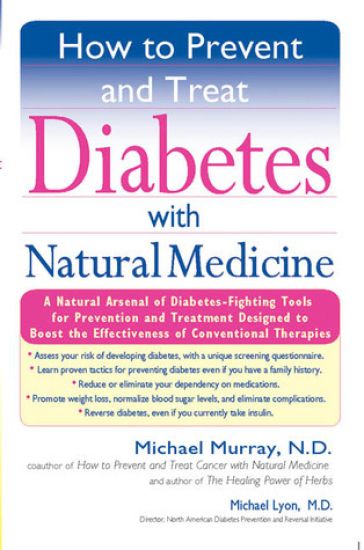
More are at risk for diabetes than ever before. But diabetes is not inevitable. And for those who already have it, it may be reversible. Now, two leading natural medicine and diabetes experts-Drs. Michael T. Murray (author of How to Prevent and Treat Cancer with Natural Medicine and Encyclopedia of Natural Medicine) and Michael Lyons-offer a complete, individualized nutrition program, and proven exercise and lifestyle changes for preventing, treating, and even reversing diabetes. This unique book will help readers: - Assess the risk of developing diabetes- Learn how to prevent diabetes even if they have a family history of the disease- Reduce or eliminate their dependency on medications- Promote weight loss, normalize blood sugar levels, and eliminate complications- Reverse diabetes, even if they currently take insulin This book is essential for anyone who is overweight; has a family history of diabetes or a personal or family history of heart disease; has pre-diabetes, low blood sugar, or borderline high blood sugar; or lives a sedentary lifestyle. It's a vital tool for helping readers live a healthy and active life.
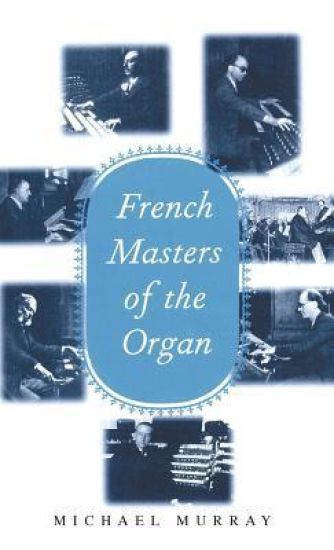
This engaging book discusses the colorful personalities and beloved music of the French romantic organist-composers. Michael Murray draws vivid portraits of Aristide Cavaillé-Coll (1811-1899), the greatest and most influential organ builder of his time, and of seven other musicians with connections to Cavaillé-Coll and to one another: Camille Saint-Saëns (1835-1921), César Franck (1822-1890), Charles-Marie Widor (1844-1937), Louis Vierne (1870-1937), Marcel Dupré (1886-1971), Jean Langlais (1907-1991), and Olivier Messiaen (1908-1992). The book offers to lovers of French music and culture-and especially to student organists-details of these composers` lives and times and of their styles and techniques. Drawing on his personal acquaintance with Messiaen, Langlais, Dupré, and other famous contemporaries, and on period documents, original accounts, early recordings, and other primary sources, Murray examines the relationship between organ building and musical composition, the nature of romanticism and classicism, and the ever-perplexing question of composer versus interpreter.
Thirty years after his death, Edward R. Murrow is still a cult figure in American broadcast journalism, and his company has achieved the distinction of standard bearer in the field of broadcast news. This examination of key CBS broadcasts and the people behind them that helped to establish the network as the prototype for excellence provides a unique perspective on the early era of broadcasting. Included are interviews with major contributors such as former CBS News presidents Fred W. Friendly and Bill Leonard. Going beyond personalities, the specific focus is on major broadcasts, from the early era up to the present-day 60 Minutes, some of which have been overlooked in spite of their formative role in helping CBS to gain its reputation in the field.
This unique volume brings together original essays by well-known mass communication experts--master teachers--who provide practical information on teaching the communication and journalism courses in which they specialize. The authors make recommendations for practical/applied, theoretical, and advanced courses, representing every area of the mass communications curriculum. Its contributors include eminent specialists such as Maurine H. Beasley, who offers advice to teachers of media history; Dan Nimmo (political communication); Roy L. Moore (media law); Jay Black (media ethics); and John De Mott (media management). Chapter authors suggest course outlines, teaching strategies, and methods of testing, and provide reviews of current texts and supplementary materials such as films and other audio-visual aids. Chapter topics in part I, The Introductory Course, include The Beginning Course in Mass Communication, and introductory courses to broadcasting, public relations, the film course, and internship programs. Part II, Applied Coursework, includes chapters on writing news for print and broadcast, reporting, advertising campaigns, audio and video production, and teaching research methods. Part III, which deals with advanced coursework, includes chapters on courses in mass communication law, mass media management, and history, mass media and politics, media criticism, and media ethics. Teaching Mass Communication will prove vitally important to faculty with new preparations for mass communication courses (including senior faculty keeping up with changes), media professionals, and new faculty preparing their teaching assignments.