Kirjojen hintavertailu. Mukana 12 595 353 kirjaa ja 12 kauppaa.

Kirjailija

Michael Nest

Kirjat ja teokset yhdessä paikassa: 4 kirjaa, julkaisuja vuosilta 2011-2020, suosituimpien joukossa Cold Case North. Vertaile teosten hintoja ja tarkista saatavuus suomalaisista kirjakaupoista.

4 kirjaa

Kirjojen julkaisuhaarukka 2011-2020.

Cold Case North

Cold Case North

Michael Nest; Deanna Reder; Eric Bell

University of Regina Press
2020
nidottu
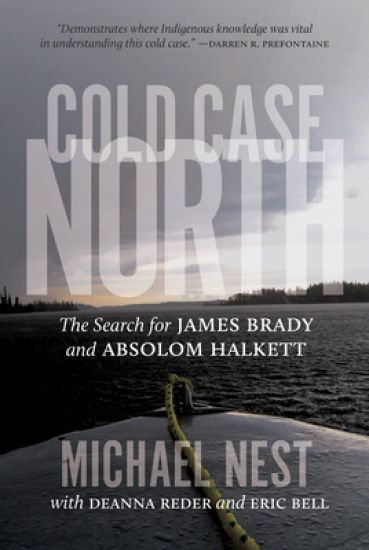
For fans of true crime, an unsolved mystery of missing persons, police conspiracies, and private investigations in an Indigenous community in northern Canada. Métis leader James Brady was one of the most famous Indigenous activists in Canada. A communist, strategist, and bibliophile, he led Métis and First Nations to rebel against government and church oppression. Brady's success made politicians and clergy fear him, and he had enemies everywhere. In 1967, while prospecting in Saskatchewan with Cree Band Councillor and fellow activist Absolom Halkett, both men vanished without a trace from their remote lakeside camp. For 50 years rumours swirled of secret mining interests, political intrigue, assassination, and murder. Cold Case North is the story of how a small team, with the help of a local Indigenous community, exposed police failure in the original investigation, discovered new clues and testimony, and gathered the pieces of the North's most enduring missing persons puzzle. "This engrossing account charts the efforts of three dedicated people to determine the fate of two missing Indigenous men in the north of Canada. [...] Meticulously researched, this smoothly written tale of injustice showcases the authors' tenacity and arouses the reader's indignation. This is a scathing rebuke of the RCMP's failure to take the case of missing Indigenous people seriously." — Publisher's Weekly "Like too many cases involving missing and murdered Indigenous people, authorities failed to ensure that Brady and Halkett's deaths were properly investigated. This book helps get to the bottom of the fate of these two men, and demonstrates why investigators should never dismiss the knowledge of Indigenous peoples." — Darren Prefontaine , author of Gabriel Dumont " Cold Case North is an enthralling search for intimate answers and broader social accountability. Essential reading." — David Chariandy , author of I've Been Meaning to Tell You " Cold Case North is part true crime thriller, part gripping mystery about the disappearance of Métis legend James Brady and Absolom Halkett in northern Saskatchewan. It is also about Indigenous knowledge, investigative incompetence, and the stuff of legend." — Paul Seesequasis , author of Blanket Toss Under Midnight Sun "A fascinating search for the truth, Cold Case North unravels the layers of a decades' old mystery. It is about how communities hold knowledge for generations, and how missing loved ones are never forgotten." — Katherena Vermette , author of River Woman and The Break
Cold Case North

Cold Case North

Michael Nest; Deanna Reder; Eric Bell

University of Regina Press
2020
sidottu
For fans of true crime, an unsolved mystery of missing persons, police conspiracies, and private investigations in an Indigenous community in northern Canada. Métis leader James Brady was one of the most famous Indigenous activists in Canada. A communist, strategist, and bibliophile, he led Métis and First Nations to rebel against government and church oppression. Brady's success made politicians and clergy fear him, and he had enemies everywhere. In 1967, while prospecting in Saskatchewan with Cree Band Councillor and fellow activist Absolom Halkett, both men vanished without a trace from their remote lakeside camp. For 50 years rumours swirled of secret mining interests, political intrigue, assassination, and murder. Cold Case North is the story of how a small team, with the help of a local Indigenous community, exposed police failure in the original investigation, discovered new clues and testimony, and gathered the pieces of the North's most enduring missing persons puzzle. "This engrossing account charts the efforts of three dedicated people to determine the fate of two missing Indigenous men in the north of Canada. [...] Meticulously researched, this smoothly written tale of injustice showcases the authors' tenacity and arouses the reader's indignation. This is a scathing rebuke of the RCMP's failure to take the case of missing Indigenous people seriously." — Publisher's Weekly "Like too many cases involving missing and murdered Indigenous people, authorities failed to ensure that Brady and Halkett's deaths were properly investigated. This book helps get to the bottom of the fate of these two men, and demonstrates why investigators should never dismiss the knowledge of Indigenous peoples." — Darren Prefontaine , author of Gabriel Dumont " Cold Case North is an enthralling search for intimate answers and broader social accountability. Essential reading." — David Chariandy , author of I've Been Meaning to Tell You " Cold Case North is part true crime thriller, part gripping mystery about the disappearance of Métis legend James Brady and Absolom Halkett in northern Saskatchewan. It is also about Indigenous knowledge, investigative incompetence, and the stuff of legend." — Paul Seesequasis , author of Blanket Toss Under Midnight Sun "A fascinating search for the truth, Cold Case North unravels the layers of a decades' old mystery. It is about how communities hold knowledge for generations, and how missing loved ones are never forgotten." — Katherena Vermette , author of River Woman and The Break
Coltan

Coltan

Michael Nest

Polity Press
2011
nidottu
A decade ago no one except geologists had heard of tantalum or 'coltan' - an obscure mineral that is an essential ingredient in mobile phones and laptops. Then, in 2000, reports began to leak out of Congo: of mines deep in the jungle where coltan was extracted in brutal conditions watched over by warlords. The United Nations sent a team to investigate, and its exposé of the relationship between violence and the exploitation of coltan and other natural resources contributed to a re-examination of scholarship on the motivations and strategies of armed groups. The politics of coltan encompass rebel militias, transnational corporations, determined activists, Hollywood celebrities, the rise of China, and the latest iGadget. Drawing on Congolese and activist voices, Nest analyses the two issues that define coltan politics: the relationship between coltan and violence in the Congo, and contestation between activists and corporations to reshape the global tantalum supply chain. The way production and trade of coltan is organised creates opportunities for armed groups, but the Congo wars are not solely, or even primarily, about coltan or minerals generally. Nest argues the political significance of coltan lies not in its causal link to violence, but in activists' skillful use of mobile phones as a symbol of how ordinary people and transnational corporations far from Africa are implicated in Congo's coltan industry and therefore its conflict. Nest examines the challenges coltan initiatives face in an activist 'marketplace' crowded with competing justice issues, and identifies lessons from coltan initiatives for the geopolitics of global resources more generally.
Coltan

Coltan

Michael Nest

Polity Press
2011
sidottu
A decade ago no one except geologists had heard of tantalum or 'coltan' - an obscure mineral that is an essential ingredient in mobile phones and laptops. Then, in 2000, reports began to leak out of Congo: of mines deep in the jungle where coltan was extracted in brutal conditions watched over by warlords. The United Nations sent a team to investigate, and its exposé of the relationship between violence and the exploitation of coltan and other natural resources contributed to a re-examination of scholarship on the motivations and strategies of armed groups. The politics of coltan encompass rebel militias, transnational corporations, determined activists, Hollywood celebrities, the rise of China, and the latest iGadget. Drawing on Congolese and activist voices, Nest analyses the two issues that define coltan politics: the relationship between coltan and violence in the Congo, and contestation between activists and corporations to reshape the global tantalum supply chain. The way production and trade of coltan is organised creates opportunities for armed groups, but the Congo wars are not solely, or even primarily, about coltan or minerals generally. Nest argues the political significance of coltan lies not in its causal link to violence, but in activists' skillful use of mobile phones as a symbol of how ordinary people and transnational corporations far from Africa are implicated in Congo's coltan industry and therefore its conflict. Nest examines the challenges coltan initiatives face in an activist 'marketplace' crowded with competing justice issues, and identifies lessons from coltan initiatives for the geopolitics of global resources more generally.