Kirjojen hintavertailu. Mukana 12 428 283 kirjaa ja 12 kauppaa.

Kirjailija

Michael R. Batista

Kirjat ja teokset yhdessä paikassa: 10 kirjaa, julkaisuja vuosilta 2016-2023, suosituimpien joukossa Crimcomics Issue 6: Subcultural Theories. Vertaile teosten hintoja ja tarkista saatavuus suomalaisista kirjakaupoista.

10 kirjaa

Kirjojen julkaisuhaarukka 2016-2023.

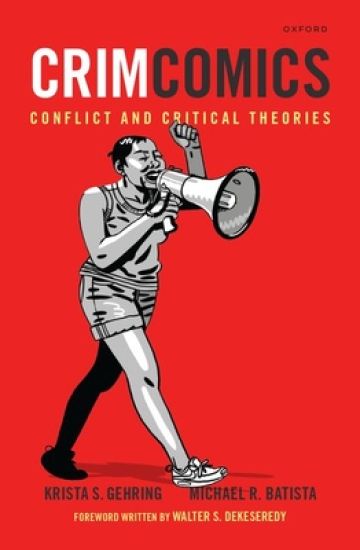
Crimcomics Issue 12: Conflict and Critical Theories

Crimcomics Issue 12: Conflict and Critical Theories

Krista S. Gehring; Michael R. Batista

Oxford University Press
2023
nidottu
CrimComics offers a new way to approach criminological theory by engaging students with impactful, highly visual illustrated texts. Each CrimComics Issue traces the development of the theory--placing it in social and political context--and demonstrates its application to the real world. The last page of each Issue features review questions and key terms.
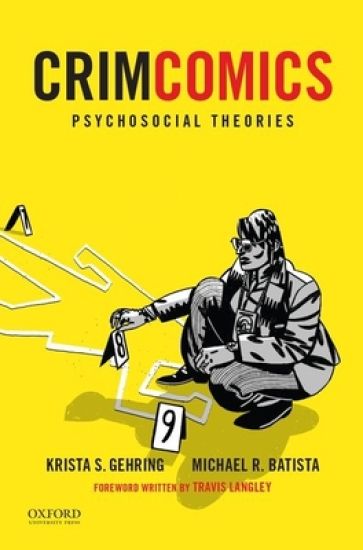
Crimcomics Issue 9: Psychosocial Theories

Crimcomics Issue 9: Psychosocial Theories

Krista S. Gehring; Michael R. Batista

Oxford University Press
2021
nidottu
CrimComics offers a new way to approach criminological theory by engaging students with impactful, highly visual illustrated texts. Each CrimComics Issue traces the development of the theory--placing it in social and political context--and demonstrates its application to the real world. The last page of each Issue features review questions and key terms. Using a fictional criminal investigation, Issue 9: Psychosocial Theories introduces the topics of IQ, personality, psychopathy, and mental illness and how they relate to criminal behavior.
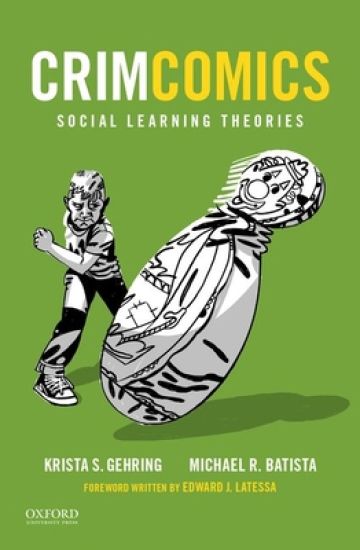
Crimcomics Issue 8: Social Learning Theories

Crimcomics Issue 8: Social Learning Theories

Krista S. Gehring; Michael R. Batista

Oxford University Press
2020
nidottu
CrimComics offers a new way to approach criminological theory by engaging students with impactful, highly visual illustrated texts. Each CrimComics Issue traces the development of the theory--placing it in social and political context--and demonstrates its application to the real world. The last page of each Issue features review questions and key terms. Issue 8: Social Learning Theories explores the development of social learning theories, including Edwin Sutherland's Differential Association Theory, Burgess and Akers's Differential Association-Reinforcement Theory, and Akers's Social Learning Theory.

Crimcomics Issue 7: Social Control Theories

Crimcomics Issue 7: Social Control Theories

Krista S. Gehring; Michael R. Batista

Oxford University Press
2019
nidottu
CrimComics offers a new way to approach criminological theory by engaging students with impactful, highly visual illustrated texts. Each CrimComics Issue traces the development of the theory-placing it in social and political context-and demonstrates its application to the real world. The last page of each Issue features review questions and key terms. Issue 7, Social Control Theories, introduces students to Walter Reckless's containment theory and Gresham Syke's and David Matza's techniques of neutralization. It also discusses two major control perspectives: Travis Hirschi's social bond theory and Michael Gottfredson and Travis Hirschi's self-control theory.
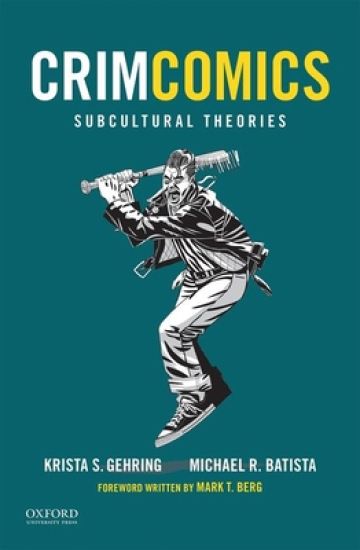
Crimcomics Issue 6: Subcultural Theories

Crimcomics Issue 6: Subcultural Theories

Krista S. Gehring; Michael R. Batista

Oxford University Press
2018
nidottu
CrimComics offers a new way to approach criminological theory by engaging students with impactful, highly visual illustrated texts. Each CrimComics Issue traces the development of the theory--placing it in social and political context--and demonstrates its application to the real world. The last page of each Issue features review questions and key terms. Issue 6, Subcultural Theories, introduces students to theories that emerged after WWII that sought to explain delinquent subcultures found among lower-class youth, particularly juvenile gangs. Other issues include Issue 1: Origins of Criminology, Issue 2: Biology and Criminality, Issue 3: Classical and Neoclassical Criminology, Issue 4, Social Disorganization Theory, and Issue 5, Anomie and Strain Theories.
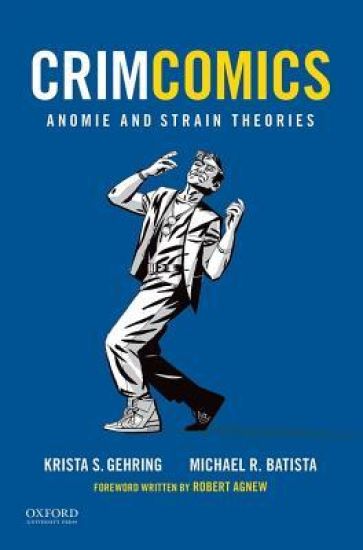
Crimcomics Issue 5: Anomie and Strain Theories

Crimcomics Issue 5: Anomie and Strain Theories

Krista S. Gehring; Michael R. Batista

Oxford University Press
2018
nidottu
CrimComics offers a new way to approach criminological theory by engaging students with impactful, highly visual illustrated texts. Each CrimComics Issue traces the development of the theory--placing it in social and political context--and demonstrates its application to the real world. The last page of each Issue features review questions and key terms. Issue 5, Anomie and Strain Theories, introduces students to Robert Merton's Anomie Theory, which posits that the idea of the American dream is implicated in the social production of crime. It also discusses two extensions of his theory, General Strain Theory and Institutional-Anomie Theory. Other issues include Issue 1: Origins of Criminology, Issue 2: Biology and Criminality, Issue 3: Classical and Neoclassical Criminology, and Issue 4, Social Disorganization Theory.
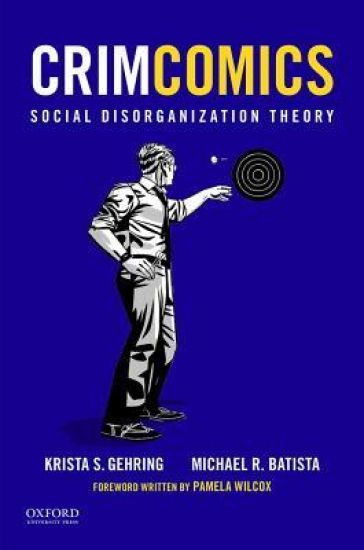
Crimcomics Issue 4: Social Disorganization Theory

Crimcomics Issue 4: Social Disorganization Theory

Krista S. Gehring; Michael R. Batista

Oxford University Press
2017
nidottu
CrimComics offers a new way to approach criminological theory by engaging students with impactful, highly visual illustrated texts. Each CrimComics Issue traces the development of the theory--placing it in social and political context--and demonstrates its application to the real world. The last page of each Issue features review questions and key terms. Issue 4, Social Disorganization Theory, introduces students to sociological, community-based theories that analyze key aspects of neighborhood collectives like social disorganization, collective efficacy, and street culture in an effort to understand crime. Other issues include Issue 1: Origins of Criminology, Issue 2: Biology and Criminality, and Issue 3: Classical and Neoclassical Criminology.
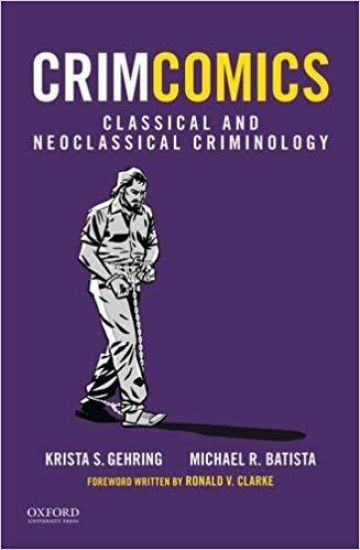
Crimcomics Issue 3: Classical and Neoclassical Criminology

Crimcomics Issue 3: Classical and Neoclassical Criminology

Krista S. Gehring; Michael R. Batista

Oxford University Press
2017
nidottu
CrimComics offers a new way to approach criminological theory by engaging students with impactful, highly visual illustrated texts. Each CrimComics Issue traces the development of the theory--placing it in social and political context--and demonstrates its application to the real world. The last page of each Issue features review questions and key terms. Issue 3, Classical and Neoclassical Criminology, begins with introducing students to Cesare Beccaria and Jeremy Bentham, two of the main proponents of the Classical School of criminology. This issue then outlines changes in the United States that led to a resurgence of these ideas in the latter part of the twentieth century, which influenced the development of several neoclassical criminological theories. Other issues include Issue 1: Origins of Criminology and Issue 2: Biology and Criminality.
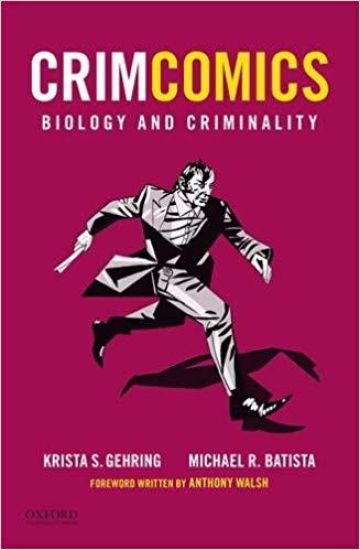
Crimcomics Issue 2: Biology and Criminality

Crimcomics Issue 2: Biology and Criminality

Krista S. Gehring; Michael R. Batista

Oxford University Press
2016
nidottu
CrimComics offers a new way to approach criminological theory by engaging students with impactful, highly visual illustrated texts. Each CrimComics Issue traces the development of the theory--placing it in social and political context--and demonstrates its application to the real world. The last page of each Issue features review questions and key terms. Issue 2, Biology and Criminology, introduces students to how biology has been used to explain criminal behavior. Part I of this issue traces early biological theories of crime and Part II discusses current biosocial approaches used to understand criminality. Other issues include Issue 1: Origins of Criminology and Issue 3: Classical and Neoclassical Criminology.
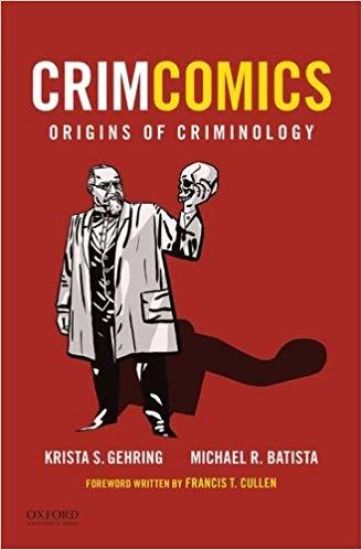
Crimcomics Issue 1: Origins of Criminology

Crimcomics Issue 1: Origins of Criminology

Krista S. Gehring; Michael R. Batista

Oxford University Press
2016
nidottu
CrimComics offers a new way to approach criminological theory by engaging students with impactful, highly visual illustrated texts. Each CrimComics Issue traces the development of the theory--placing it in social and political context--and demonstrates its application to the real world. The last page of each Issue features review questions and key terms. Issue 1, Origins of Criminology, introduces students to the two major schools of criminological thought: the Classical School and the Positivist School. This issue discusses the concepts developed by the major proponents of these schools: Cesare Beccaria, Jeremy Bentham, and Cesare Lombroso. Other issues include Issue 2: Biology and Criminality and Issue 3: Classical and Neoclassical Criminology.