Kirjojen hintavertailu. Mukana 12 595 353 kirjaa ja 12 kauppaa.
Kirjailija
Michael W. Otto
Kirjat ja teokset yhdessä paikassa: 16 kirjaa, julkaisuja vuosilta 2009-2025, suosituimpien joukossa Mestringsstrategier for voksne med ADHD. Vertaile teosten hintoja ja tarkista saatavuus suomalaisista kirjakaupoista.
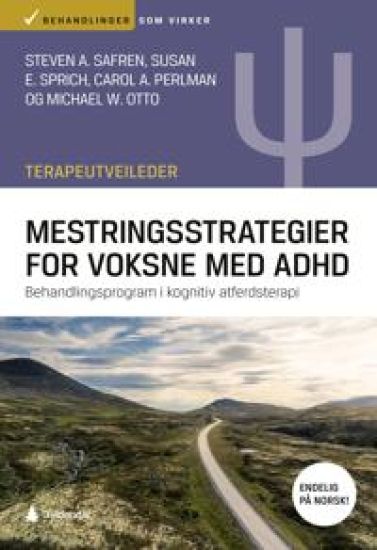
De karakteristiske ADHD-symptomene – hyperaktivitet, impulsivitet og konsentrasjonsvansker – kan være like hemmende for voksne som for barn. Selv om medisiner kan være effektive i behandlingen av ADHD hos voksne, har de fleste fortsatt symptomer som gjør at de trenger bestemte ferdigheter og strategier for å håndtere dem. I Mestringsstrategier for voksne med ADHD beskrives stegvise, detaljerte fremgangsmåter for å kartlegge og behandle ADHD hos voksne. Boken er strukturert gjennom et forløp på tolv behandlingstimer og består av tre moduler: (1) psykoedukasjon / organisering og planlegging, (2) håndtering av avledbarhet og (3) kognitiv restrukturering (hensiktsmessig tankegang). I tillegg er det egne deler om prokrastinering og om hvordan man kan involvere ektefelle, partner eller familiemedlemmer i behandlingen.
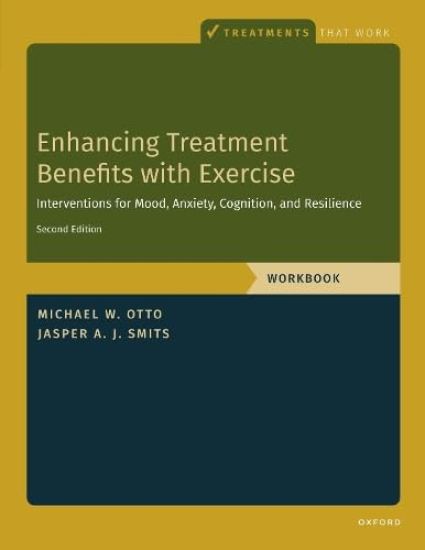
There can be no better example of mind/body integration than the use of exercise to improve mental health. There is substantial evidence that exercise can be used to depression, treat anxiety and panic, enhance cognition, reduce stress, and enhance psychological resilience. This workbook can be used as a stand-alone treatment, as an addition to other ongoing treatment, or as a strategy to extend gains or prevent relapse following success with a prior treatment. The motivational strategies in this workbook offer a fresh way to approach exercise and make the program work for each individual's lifestyle. In addition to information on how to start and maintain an exercise program, this workbook comes complete with worksheets and logs for scheduling and tracking physical activity. Exercise-based treatment and the guidance provided by this workbook helps to improve mood, reduce anxiety, and achieve better cognition, along with promoting a general sense of psychological resilience (including specialty applications such as using exercise to aid smoking cessation). Fully updated to reflect new research and organized in an easy-to-use session-by-session format, this new edition will be a valuable resource and powerful tool for readers who want to enhance their lives through exercise.
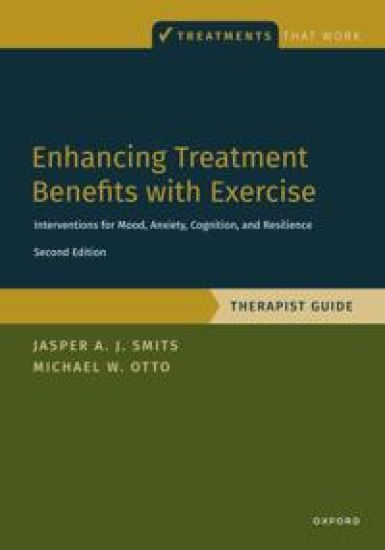
Exercise has powerful effects on mental health. This therapist guide, and the accompanying workbook, provide an indispensable resource for practitioners who wish to expand their therapeutic range to include exercise-based interventions. A wealth of data shows the efficacy of these interventions for the treatment of mood and anxiety disorders, cognitive enhancement, and resilience training, including resilience training applied to the control of habit disorders like smoking. This therapist guide provides a step-by-step accounting of the benefits of exercise, the application of exercise to specific conditions, recommended exercise dose and durations, and, perhaps most importantly, motivational strategies to help clients get to and succeed with exercise. Fully revised and updated to capture the latest research in the area, this new edition also expands the content of the first edition to cover exercise for cognition, resilience, and smoking. Introductory chapters provide general guidance on strategies for initiating and maintaining exercise and are complemented by chapters devoted to the specific application of exercise to mood disorders, anxiety disorders, the enhancement of cognition, and for general resilience as might be applied in a relapse-prevention phase of treatment.
Evidence overwhelmingly shows that exposure therapy is effective for the treatment of anxiety and related disorders. Its adoption into clinical practice has been slow, however-in part because the available one-size-fits-all manuals often leave patients and clinicians unsatisfied. Personalized Exposure Therapy provides expert guidance to clinicians on conducting exposure-based interventions in a targeted and flexible fashion. Providing detailed information on a range of strategies for maximizing clinical outcomes from exposure, this book features a case formulation approach that personalizes the timing and nature of exposure practice. Case examples, scripts, and worksheets, presented in a practical, mentor-based format for planning and enacting individual sessions, ensure that clinical procedures are readily accessible for in-session use. Personalized Exposure Therapy is appropriate for early-career and experienced clinicians alike, and will also be suitable for use in graduate courses in clinical psychology, counselling, social work, nursing and psychiatry.
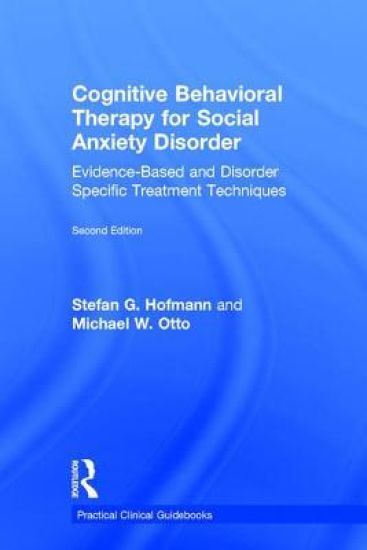
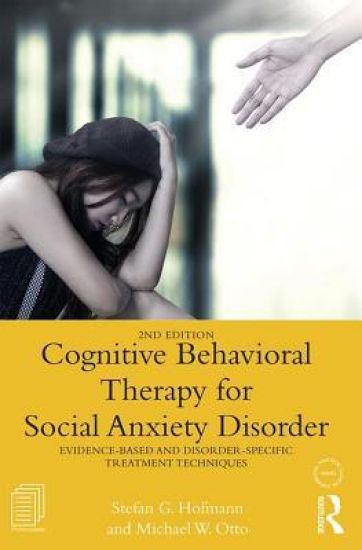
Cognitive Behavioral Therapy (CBT) has proven to be the most effective form of treatment for social anxiety disorder. This revision of a highly regarded treatment manual presents an original treatment approach that includes specifically designed interventions to strengthen the relevant CBT strategies. This extensively revised volume builds upon empirical research to address the psychopathology and heterogeneity of social anxiety disorder, creating a series of specific interventions with numerous case examples and four new chapters on working with patients on medication, cultural factors, individual therapy, and monitoring on-track outcomes.
Cognitive Behavioral Therapy (CBT) has proven to be the most effective form of treatment for social anxiety disorder. This revision of a highly regarded treatment manual presents an original treatment approach that includes specifically designed interventions to strengthen the relevant CBT strategies. This extensively revised volume builds upon empirical research to address the psychopathology and heterogeneity of social anxiety disorder, creating a series of specific interventions with numerous case examples and four new chapters on working with patients on medication, cultural factors, individual therapy, and monitoring on-track outcomes.
Attention Deficit/Hyperactivity Disorder (ADHD) in adulthood is a prevalent and impairing disorder. While medications have been effective in treating adult ADHD, the majority of individuals treated with medications still have symptoms that require additional skills and symptom management strategies. This Second Edition of Mastering Your Adult ADHD is thoroughly updated to present the most current, empirically supported treatment strategies in cognitive behavioral therapy (CBT) for coping with symptoms of adult ADHD. The Therapist Guide provides clinicians with effective means of teaching adult clients skills that have been scientifically tested and shown to help them cope with ADHD. The program has been updated to include the optional use of technology and smart phones to improve organization and planning. Core modules cover the development of systems for keeping track of appointments and tasks, reducing distractibility, and improving adaptive thinking skills, and there's an optional module on reducing procrastination. Information is also provided regarding holding an informational meeting with a spouse, partner, or family member. The step-by-step, session-by-session descriptions are a practical resource for therapists who deliver the treatment. The companion Client Workbook contains all of the necessary information for participating in the practical CBT intervention. It includes worksheets, forms, and a link to an assessment measure that can be used to gauge progress during treatment.
Attention Deficit/Hyperactivity Disorder (ADHD) in adulthood is a prevalent and impairing disorder. While medications have been effective in treating adult ADHD, the majority of individuals treated with medications still have symptoms that require additional skills and symptom management strategies. This Second Edition of Mastering Your Adult ADHD is thoroughly updated to present the most current, empirically supported treatment strategies in cognitive behavioral therapy (CBT) for coping with symptoms of adult ADHD. The Therapist Guide provides clinicians with effective means of teaching adult clients skills that have been scientifically tested and shown to help them cope with ADHD. The program has been updated to include the optional use of technology and smart phones to improve organization and planning. Core modules cover the development of systems for keeping track of appointments and tasks, reducing distractibility, and improving adaptive thinking skills, and there's an optional module on reducing procrastination. Information is also provided regarding holding an informational meeting with a spouse, partner, or family member. The step-by-step, session-by-session descriptions are a practical resource for therapists who deliver the treatment. The companion Client Workbook contains all of the necessary information for participating in the practical CBT intervention. It includes worksheets, forms, and a link to an assessment measure that can be used to gauge progress during treatment.
It is well-established that cognitive-behavioral therapy (CBT) is a rich and effective tool for treating a range of anxiety and mood disorders and behavioral disturbances. Most clinicians, however, have not been formally trained in how to administer CBT, and integrating one of the many available manuals detailing week-by-week protocols into their individual clinical practices is a daunting task. Whether brief interventions are desired for use in medication visits or whether key elements of CBT are needed for use in an eclectic treatment practice, clear instruction is needed on how to improve patient outcomes by adapting key components of cognitive-behavioral interventions. 10-Minute CBT provides such guidance with a clear and straightforward account of the principles of CBT that fit into the realities of current practice for clinicians from any interventional perspective. Instead of offering a full regimented program of treatment, this book provides the philosophy and elements of CBT so that select targeted interventions can be integrated into already-established clinical practice. This book offers a comprehensive overview of disorder-specific strategies and core principles of CBT, as well as the empirical base that supports these principles. Other features include therapist-patient dialogues, an intervention troubleshooting guide, and "treatment principle" boxes that provide rapid identification of key concepts. Written by a team of experts representing a range of practice formats, this book offers tools that will make CBT accessible to and employable by all practitioners who wish to incorporate elements of CBT into their treatment.
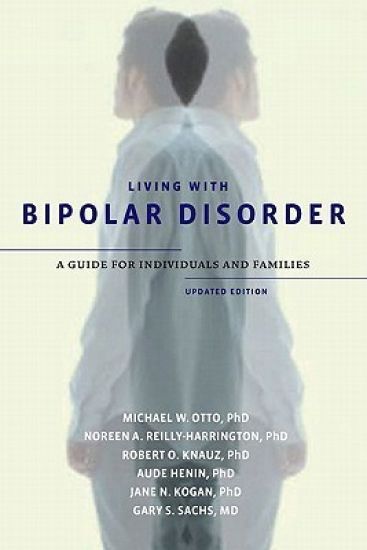
Drawing on research documenting the strength of combining drug treatments with behavioral interventions for fighting bipolar disorder, Living with Bipolar Disorder takes a skill-based approach to managing the ups and downs commonly experienced with the disorder. With this book, readers can learn how to better recognize mood shifts before they happen, minimize their impact, and move on with their lives. Written by the authors of Managing Bipolar Disorder: A Cognitive Behavioral Treatment Program, this helpful guide teaches individuals with bipolar disorder how to take charge of their illness and get the most out of professional treatment. The authors stress the importance of an active partnership in treatment, while providing information and strategies to help patients and their families enhance their independence and their management of bipolar disorder. In addition to the strategies directed to individuals suffering from bipolar disorder, this book also provides information and instructions for friends and family members so they'll have the tools to help their loved ones. Family members will learn how to recognize potential problems, provide encouragement, practice new coping skills, and understand what the patient is going through. The book also provides worksheets and forms to help the patient reinforce skills and practices learned in therapy. It includes information about the details of living with bipolar disorder, gives advice on the best ways to avoid relapses, and teaches how to anticipate problems. Here then is a wealth of information on bipolar disorder partnered with effective strategies to reduce the likelihood of episodes of depression or mania and maximize the enjoyment of life.
"Just den här behandlingen beskriver den första evidensbaserade effektiva psykologiska interventionen för ADHD hos vuxna. I den här behandlingen kommer du att få lära dig färdigheter som direkt angriper de tre kategorier av symtom som gör det svårt att leva med ADHD som vuxen. Dessa kategorier innefattar att vara impulsiv och lättdistraherad samt att ha svårigheter att organisera och planera. Behandlingen kan på ett effektivt sätt kombineras med medicinering, eller, för de 50 procent av medicinerande för vilka läkemedel endast ger begränsad hjälp, kan den vara tillräcklig som enda insats." David H Barlow, chefredaktör, Treatments that Work Vuxna som lider av uppmärksamhets/hyperaktivitetsstörning (ADHD) vet att det kan få påtagliga negativa konsekvenser på arbetsplatsen, för självförtroendet och i interaktionen med familj och vänner. Trots att vissa läkemedel varit effektiva vid behandling av ADHD hos vuxna har majoriteten av de som medicinerat kvar symtom som behöver hanteras med kompletterande färdigheter och strategier. Tillsammans med den behandling som beskrivs i den tillhörande terapeutmanualen erbjuder denna klienthandbok effektiva och praktiska färdigheter som testats vetenskapligt och visat sig hjälpa vuxna hantera symtom på ADHD. Behandlingen är upplagd så att klienten steg för steg, session för session går igenom den information och det material som är nödvändigt för att genomgå behandlingen inom ramen för en individuell KBT-terapi. Klienten kan aktivt delta i terapin genom att hjälpa till att individanpassa behandlingsstrategierna och genom att utvärdera sina framsteg. Allt för att sträva mot att lära sig att bättre hantera sin ADHD. Bokserien har en tillhörande hemsida, www.oup.com/us/ttw. Där går det att ladda ner kliniska verktyg och material som kan vara till hjälp och stöd för klienten och terapeuten. Sagt om boken: "Trots att läkemedelsbehandling ofta är effektivt vid ADHD har det psykologiska perspektivet som beskrivs i den här praktiska klienthandboken visat sig minska symtom utöver den effekt man sett vid medicinering. Dr. Safren och hans kollegor presenterar sin vetenskapligt utvärderade behandling för ADHD hos vuxna i ett steg-för-steg-format som med lätthet kan användas av vem som helst som lider av funktionsnedsättningen... jag rekommenderar varmt denna bok!" Martin M Antony, Ph.D., ABPP, Handledare vid Anxiety Treatment Research Center, St. Josephs Healthcare, Hamilton, och professor i psykiatri och neurovetenskap, McMaster University, Hamilton, Ontario, Kanada "Detta är en banbrytande bok... I denna manual kommer patienten att hitta användbar information om funktionsnedsättningen, och minst lika viktigt, en vetenskapligt testad taktik för att hantera ADHD och de svårigheter som kan uppstå i samband med den. Tack till Dr. Safren, Sprich, Perlman, och Otto." Russel A. Barkley, Ph.D., professor i psykiatri, SUNY Upstate Medical University, Syracusa, NY "Jag har väntat på en bok som denna! Dr. Safren och hans kollegor har lyckats med den svåra uppgiften att skriva en informativ, praktisk och uppmuntrande bok som kommer att hjälpa vuxna med ADHD att få ut så mycket som möjligt av sessionerna med sin terapeut... Vuxna med ADHD kommer att märka att boken är en användbar resurs för att utveckla och hålla fast vid strategier som kan bidra till att minska påverkan av ADHD på det dagliga livet." Wendy S. Freeman, Ph.D., biträdande lektor vid institutionen för psykologi, University of Manitoba "Dr. Safren och hans kollegor har tillämpat kritiskt tänkande och framsteg inom kognitiv beteendeterapi för att skapa ett behandlingspaket som ökar organisatoriska färdigheter, minskar distraherbarhet och förbättrar interpersonellt och emotionellt fungerande." Richard Gallagher, Ph.D., biträdande lektor i psykiatri, New York University School of Medicine
"I dagens framväxande hälso- och sjukvårdssystem finns en tilltagande konsensus om att evidensbaserad behandling är det mest ansvarsfulla arbetssättet för alla som arbetar med psykisk hälsa... Nu har vi fått den första evidensbaserade behandlingen för ADHD hos vuxna, utarbetad av en grupp ledande kliniska forskare på Massachusetts General Hospital i Boston... Varje kliniker som i sitt arbete möter människor med den vanligt förekommande symtombilden kommer vilja lägga till den här interventionen till sin verktygslåda, antingen som ett komplement till medicinering, eller som ett behandlingsalternativ i de närmare 50 procent av fallen där medicinering är relativt ineffektivt." David H Barlow, chefredaktör, Treatments that Work ADHD hos vuxna är en vanligt förkommande funktionsnedsättning, och majoriteten av de individer som medicinerar har kvar symtom som kräver extra färdigheter och strategier för att hanteras. Förutom den behandling som beskrivs i den här bokserien har det fram tills idag inte funnits några utprövade psykologiska interventioner för vuxna med ADHD. Tillsammans med den tillhörande klienthandboken erbjuder denna terapeutmanual effektiva behandlingstekniker som följer empiriskt understödda strategier för behandling. Med hjälp av praktiska steg-för-steg-instruktioner ger den klinikern effektiva metoder för att lära klienten vetenskapligt testade färdigheter som visat sig hjälpa vuxna att hantera ADHD. Sammantaget innehåller terapeutmanualen och klienthandboken all den information och det material som behövs för att ge behandlingen inom ramen för en individuell KBT-terapi. Bokserien har en tillhörande hemsida, www.oup.com/us/ttw. Där går det att ladda ner kliniska verktyg och material som kan vara till hjälp och stöd för klienten och terapeuten. Sagt om boken: "Den tydliga och koncisa terapeutmanualen erbjuder allt som kliniskt verksamma behöver veta om denna systematiska, evidensbaserade behandling vid ADHD hos vuxna... Manualen är oumbärlig för varje kliniker som behandlar vuxna med ADHD." Martin M Antony, Ph.D., ABPP, Handledare vid Anxiety Treatment Research Center, St. Josephs Healthcare, Hamilton, och professor i psykiatri och neurovetenskap, McMaster University, Hamilton, Ontario, Kanada "Författarna har utvärderat effekten av behandlingen i en randomiserad kontrollerad studie med vuxna som trots medicinering upplevde kvarvarande funktionsnedsättning. Terapeutmanualen och den tillhörande klienthandboken kommer att vara mycket användbar för terapeuter i arbetet med att hjälpa klienterna att utveckla oumbärliga kompensatoriska färdigheter" Wendy S. Freeman, Ph.D., biträdande lektor vid institutionen för psykologi, University of Manitoba "Detta är ett banbrytande arbete - det är den första empiriskt grundade behandlingen för ADHD hos vuxna... Kliniker och deras ADHD-patienter kommer att kunna dra nytta av det tydliga, koncisa, rättframma och lättimplementerade steg-för-steg-formatet." Russel A. Barkley, Ph.D., professor i psykiatri, SUNY Upstate Medical University, Syracusa, NY "Inom ett område fullt av otestade påståenden, vägledning vars effekt inte är vetenskapligt belagd, samt kraftigt begränsat forskningsstöd ger det här paketet en behandling som kliniker kan använda med tillförsikt då den är empiriskt testad." Richard Gallagher, Ph.D., biträdande lektor i psykiatri, New York University School of Medicine
One of the best kept secrets in the treatment of mood and anxiety disorders is the proven efficacy of a program of exercise, which has many benefits on mood, but has yet to be widely adopted as a therapeutic technique. This therapist guide provides guidance for care providers who want to apply exercise-based interventions to the treatment of mood and anxiety disorders. The interventions described can be applied in a variety of settings ranging from primary care to specialty care in the context of psychological, psychiatric, nursing, or social work settings. Treatment is organized around a weekly prescribed activity program, with an emphasis on teaching patients strategies for staying motivated and organized in order to ensure adherence to the program. In addition to the actual exercise prescription, treatment is directed toward helping individuals get the most out of exercise by programming post-exercise cognitive processing and exercise-friendly activities. Introductory chapters of this guide describe the intervention and how to initiate it with patients, while later chapters focus specifically on using exercise to combat depression, including bipolar disorder, as well as stress, worry, and panic. This manual provides an integrated approach to establish exercise programs targeting mood and anxiety disorders and also provides useful cognitive and behavioral interventions designed to support these programs.
Research has shown that individuals who exercise regularly have less stress, less anxiety, less depression, and fewer substance use problems than those who don't. Studies have also shown that exercise can help combat the effects of depression and anxiety. Designed to be used in conjunction with visits to your clinician, this workbook helps you plan an exercise program and provides strategies for following through with your exercise goals. The workbook is structured to help you prevent mood disturbances from blocking the very activities that can help you feel better. During the course of this program, you will be introduced to some of the situational factors that can interfere with establishing a successful exercise routine. With the help of your therapist, you will learn how to overcome these factors, as well as how to set up your environment so that exercise is successful and rewarding. In addition to information on how to start and maintain an exercise program, this workbook comes complete with worksheets and logs for scheduling and tracking your physical activity. Strategies for managing your thinking patterns are also provided and will help you boost your motivation and break through barriers to exercise.
Millions of people are prescribed medication for anxiety and panic everyday. One of the most common medications prescribed are tranquilizers which can be addictive and habit-forming. Many individuals may wish to discontinue their medication for various reasons. Some have been free of anxiety symptoms for some time and feel they no longer need meds. Women may wish to become pregnant and others may suffer from bothersome side effects. Whatever the reason, weaning off anxiety medications can be extremely difficult. This Workbook, in conjunction with the corresponding Therapist Guide, outlines a treatment program for helping individuals discontinue their medication. This evidence-based treatment incorporates the basic principles of Cognitive-Behavioral Therapy (CBT), which is also effective for treating the underlying Panic Disorder itself. This revised edition of the Workbook teaches the skills necessary to help individuals wean off their medicine through the use of cognitive restructuring techniques, along with exposure to panic and anxiety sensations. New to this edition is a reorganized Chapter 2 that places the core emphasis on the role of fears of anxiety sensations in enhancing the difficulties associated with stopping medication, and a section on discontinuing the use of antidepressants. Blank logs are included for keeping track of homework assignments, as well as for monitoring progress.
Stopping Anxiety Medication Therapist Guide, Second Edition outlines a treatment program for individuals who have difficulties with anxiety and panic to discontinue using medication, specifically benzodiazepines otherwise known as minor tranquilizers. These medications can be habit-forming and individuals may have trouble reducing their dosage. Many people wish to taper their use of these medicines for various reasons including, a planned pregnancy, personal preference, bothersome side effects, etc.