Kirjojen hintavertailu. Mukana 12 595 353 kirjaa ja 12 kauppaa.

Kirjailija

Michele Hilmes

Kirjat ja teokset yhdessä paikassa: 8 kirjaa, julkaisuja vuosilta 1997-2019, suosituimpien joukossa Transatlantic Television Drama. Vertaile teosten hintoja ja tarkista saatavuus suomalaisista kirjakaupoista.

8 kirjaa

Kirjojen julkaisuhaarukka 1997-2019.

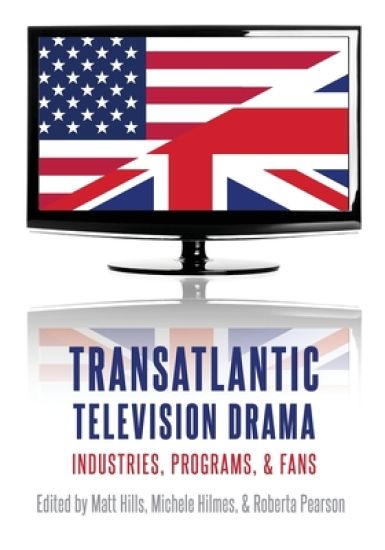
Transatlantic Television Drama

Transatlantic Television Drama

Michele Hilmes; Matt Hills; Roberta Pearson

Oxford University Press Inc
2019
nidottu
In 2014, the UK science-fiction television series Black Mirror was released on Netflix worldwide, quickly becoming a hit with US audiences. Like other beloved British imports, this series piqued Americans' interest with hints of dark comedy, clever plotlines, and six-episode seasons that left audiences frantic for more. In Transatlantic Television Drama, volume editors Michele Hilmes, Matt Hills, and Roberta Pearson team up with leading scholars in TV studies and transnational television to look at how serial dramas like Black Mirror captivate US audiences, and what this reveals about the ways Americans and Brits relate to each other on and off the screen. Focusing on production strategies, performance styles, and audience reception, chapters delve into some of the most widely-discussed programs on the transatlantic circuit, from ongoing series like Game of Thrones, Downton Abbey, Orphan Black, and Sherlock, to those with long histories of transnational circulation like Masterpiece and Doctor Who, to others whose transnational success speaks to the process of exchange, adaptation, and cooperation such as Rome, Parade's End, Broadchurch, and Gracepoint. The book's first section investigates the platforms that support British/American exchange, from distribution partnerships and satellite providers to streaming services. The second section concentrates on the shift in meaning across cultural contexts, such as invocations of heritage, genre shifts in adaptation, performance styles, and, in the case of Episodes, actual dramatized depiction of the process of transatlantic television production. In section three, attention turns to contexts of audience reception, ranging from fan conventions and fiction to television criticism, the effects of national branding on audiences, and the role of social media in de- or re-contextualizing fans' response to transnational programs.
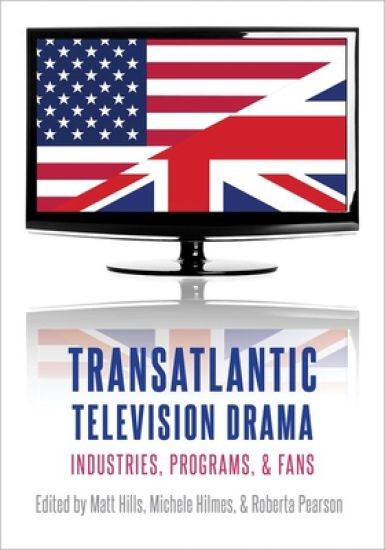
Transatlantic Television Drama

Transatlantic Television Drama

Michele Hilmes; Matt Hills; Roberta Pearson

Oxford University Press Inc
2019
sidottu
In 2014, the UK science-fiction television series Black Mirror was released on Netflix worldwide, quickly becoming a hit with US audiences. Like other beloved British imports, this series piqued Americans' interest with hints of dark comedy, clever plotlines, and six-episode seasons that left audiences frantic for more. In Transatlantic Television Drama, volume editors Michele Hilmes, Matt Hills, and Roberta Pearson team up with leading scholars in TV studies and transnational television to look at how serial dramas like Black Mirror captivate US audiences, and what this reveals about the ways Americans and Brits relate to each other on and off the screen. Focusing on production strategies, performance styles, and audience reception, chapters delve into some of the most widely-discussed programs on the transatlantic circuit, from ongoing series like Game of Thrones, Downton Abbey, Orphan Black, and Sherlock, to those with long histories of transnational circulation like Masterpiece and Doctor Who, to others whose transnational success speaks to the process of exchange, adaptation, and cooperation such as Rome, Parade's End, Broadchurch, and Gracepoint. The book's first section investigates the platforms that support British/American exchange, from distribution partnerships and satellite providers to streaming services. The second section concentrates on the shift in meaning across cultural contexts, such as invocations of heritage, genre shifts in adaptation, performance styles, and, in the case of Episodes, actual dramatized depiction of the process of transatlantic television production. In section three, attention turns to contexts of audience reception, ranging from fan conventions and fiction to television criticism, the effects of national branding on audiences, and the role of social media in de- or re-contextualizing fans' response to transnational programs.
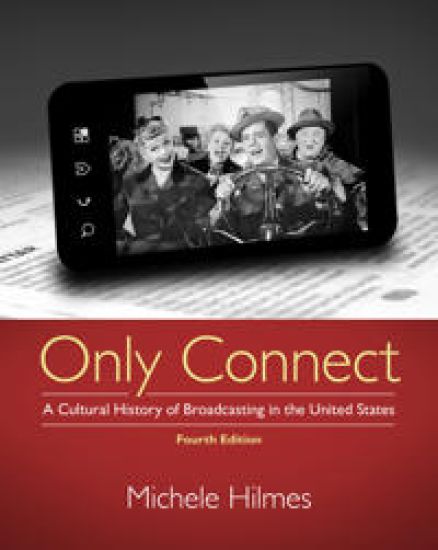
Only Connect

Only Connect

Michele Hilmes

Wadsworth Publishing Co Inc
2013
nidottu
ONLY CONNECT is a comprehensive history of American broadcasting from its earliest days in radio, through the rise of television, to the current era of digital media and the Internet. It presents broadcasting as a vital component of American cultural identity, placing the development of U.S. radio, television, and new media in the context of social and cultural change. Each chapter opens with a discussion of the historical period, thoroughly traces the development of media policy, the growth of media industries, and the history of U.S. broadcast programming, and closes with a look at the major ways that radio and television have been understood and discussed throughout American history.
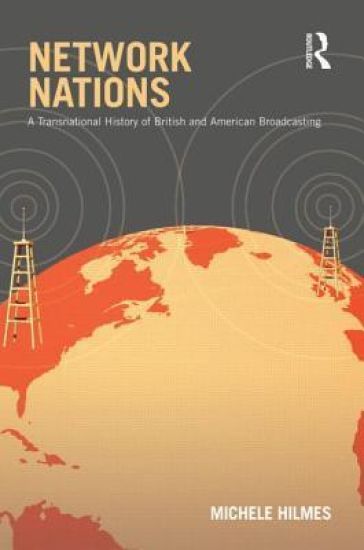
Network Nations

Network Nations

Michele Hilmes

Routledge
2011
sidottu
In Network Nations, Michele Hilmes reveals and re-conceptualizes the roots of media globalization through a historical look at the productive transnational cultural relationship between British and American broadcasting. Though frequently painted as opposites--the British public service tradition contrasting with the American commercial system--in fact they represent two sides of the same coin. Neither could have developed without the constant presence of the other, in terms not only of industry and policy but of aesthetics, culture, and creativity, despite a long history of oppositional rhetoric. Based on primary research in British and American archives, Network Nations argues for a new transnational approach to media history, looking across the traditional national boundaries within which media is studied to encourage an awareness that media globalization has a long and fruitful history. Placing media history in the framework of theories of nationalism and national identity, Hilmes examines critical episodes of transnational interaction between the US and Britain, from radio’s amateurs to the relationship between early network heads; from the development of radio features and drama to television spy shows and miniseries; as each other’s largest suppliers of programming and as competitors on the world stage; and as a network of creative, business, and personal relationships that has rarely been examined, but that shapes television around the world. As the global circuits of television grow and as global regions, particularly Europe, attempt to define a common culture, the historical role played by the British/US media dialogue takes on new significance.
Network Nations

Network Nations

Michele Hilmes

Routledge
2011
nidottu
In Network Nations, Michele Hilmes reveals and re-conceptualizes the roots of media globalization through a historical look at the productive transnational cultural relationship between British and American broadcasting. Though frequently painted as opposites--the British public service tradition contrasting with the American commercial system--in fact they represent two sides of the same coin. Neither could have developed without the constant presence of the other, in terms not only of industry and policy but of aesthetics, culture, and creativity, despite a long history of oppositional rhetoric. Based on primary research in British and American archives, Network Nations argues for a new transnational approach to media history, looking across the traditional national boundaries within which media is studied to encourage an awareness that media globalization has a long and fruitful history. Placing media history in the framework of theories of nationalism and national identity, Hilmes examines critical episodes of transnational interaction between the US and Britain, from radio’s amateurs to the relationship between early network heads; from the development of radio features and drama to television spy shows and miniseries; as each other’s largest suppliers of programming and as competitors on the world stage; and as a network of creative, business, and personal relationships that has rarely been examined, but that shapes television around the world. As the global circuits of television grow and as global regions, particularly Europe, attempt to define a common culture, the historical role played by the British/US media dialogue takes on new significance.
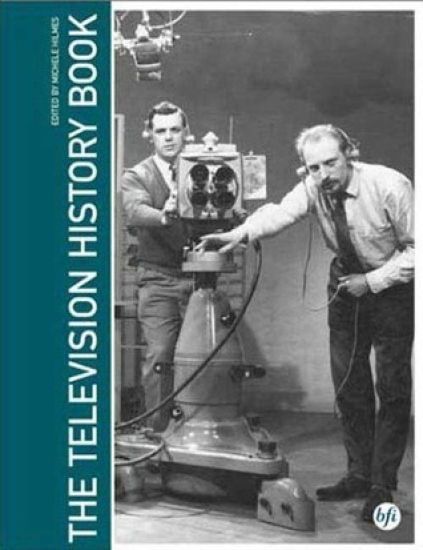
The Television History Book

The Television History Book

Michele Hilmes

BFI Publishing
2003
nidottu
Traces the history of broadcasting and the infludence developments in broadcasting have had over our social, cultural and economic practices. Examining the broadcasting traditions of the UK and USA, "The Television History Book" make connections between events and tendencies that both unite and differentiate these national broadcasting traditions.
Hollywood and Broadcasting

Hollywood and Broadcasting

Michele Hilmes

University of Illinois Press
1999
nidottu
"Michele Hilmes has produced an excellent introduction to a most important subject. This is an invaluable work for both scholars and students that places film, radio, and television within the context of the national culture experience." --- American Historical Review "Hilmes is one of the few historians of broadcasting to move beyond a political economy of the media. . . . Her work should serve as a model for future histories of broadcasting." --- Journal of Communication "All media historians will find this work a critical addition to their bookshelves." --- American Journalism "A major addition to media history literature." --- Journalism History
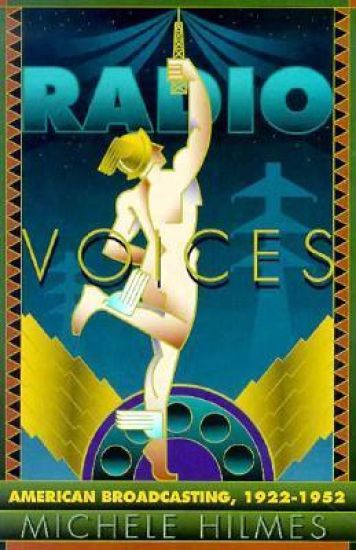
Radio Voices

Radio Voices

Michele Hilmes

University of Minnesota Press
1997
nidottu
This work looks at the way radio programming influenced and was influenced by the United States of the 1920s, 1930s and 1940s, tracing the history of the medium from its earliest years through the advent of television. It places the development of radio within the context of the turmoils of the 1920s - immigration and urbanization, the rise of mass consumer culture, and the changing boundaries of the public and private spheres. Early practices and structures - the role of the announcer, the emergence of program forms from vaudeville, minstrel shows and the concert stage - are examined. Central to the study is a discussion of programmes and their relations to popular cultural understandings of race, ethnicity and gender in the United States of this era. The book explores "Amos 'n Andy" and its negotiations of white racial tensions, and "The rise of the Goldbergs" and its concern with ethnic assimilation. It reflects upon the daytime serials - the first soap operas - arguing that these much-disparaged programmes provided a space in which women could discuss conflicted issues of gender. Also explored are industry practices, considering the role of advertising agencies and their areas of conflict and co-operation with the emerging networks as well as the impact of World War II on the "mission" of radio.