Kirjojen hintavertailu. Mukana 12 595 353 kirjaa ja 12 kauppaa.

Kirjailija

Michele Morrone

Kirjat ja teokset yhdessä paikassa: 6 kirjaa, julkaisuja vuosilta 2002-2022, suosituimpien joukossa Food Safety. Vertaile teosten hintoja ja tarkista saatavuus suomalaisista kirjakaupoista.

6 kirjaa

Kirjojen julkaisuhaarukka 2002-2022.

Food Safety

Food Safety

Nina E. Redman; Michele Morrone

Greenwood Press
2017
sidottu
Presenting compelling and current information about some of the most important food safety issues, this book is an invaluable reference for anyone interested in avoiding foodborne disease or understanding how food safety standards could be improved.Food safety affects everyone. For citizens who live in industrialized nations, it is easy to assume that our foods are always rigorously inspected and assessed for safety. While food safety standards and regulations are in place to protect the consumer public, food safety problems do exist: according to the Centers for Disease Control and Prevention, each year, 48 million Americans are sickened by food,128,000 people are sick enough that they are hospitalized as a result, and 3,000 people die from foodborne pathogens.This third edition of Food Safety: A Reference Handbook examines the history of food safety and describes in detail key events and trends that have created the food safety issues of today. It explores the many controversies concerning food consumption, including contaminants in food, GMOs, factory farm-produced meat, and standards regarding the labeling of food products as well as the ways that these issues have been handled by authorities. Readers will find this book's overview of food safety topics informative and highly accessible. Additionally, the perspectives chapter provides varying viewpoints from food safety professionals and researchers on key issues.
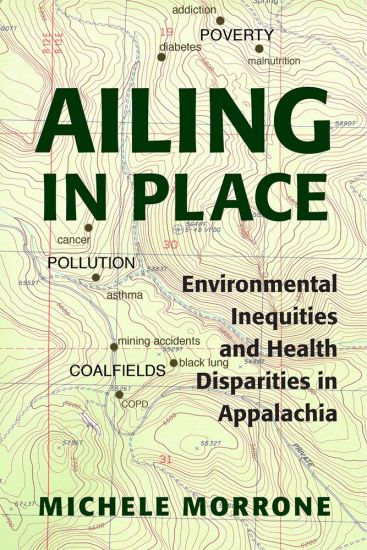
Ailing in Place

Ailing in Place

Michele Morrone

Ohio University Press
2022
nidottu
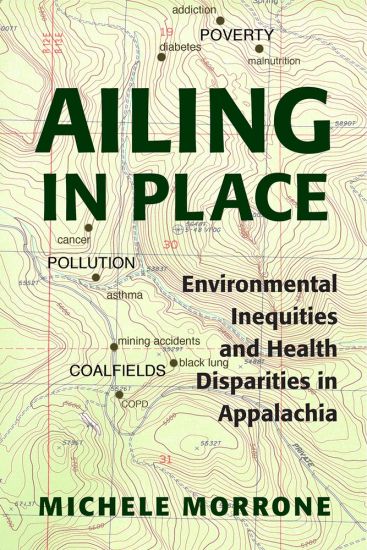
Ailing in Place examines environmental conditions in Appalachia and explores the relationship between those conditions and certain health outcomes that are often incorrectly ascribed to poor individual choices.
Ailing in Place

Ailing in Place

Michele Morrone

Ohio University Press
2020
sidottu
In Ailing in Place, Michele Morrone explores the relationship between environmental conditions in Appalachia and health outcomes that are too often ascribed to individual choices only. She applies quantitative data to observations from environmental health professionals to frame the ways in which the environment, as a social determinant of health, leads to health disparities in Appalachian communities. These examples—these stories of place—trace the impacts of water quality, waste disposal, and natural resource extraction on the health and quality of life of Appalachian people. Public health is inextricably linked to place. Environmental conditions such as contaminated water, unsafe food, and polluted air are as important as culture, community, and landscape in characterizing a place and determining the health outcomes of the people who live there. In some places, the state of the environment is a consequence of historical activities related to natural resources and cultural practices. In others, political decisions to achieve short-term economic objectives are made with little consideration of long-term public health consequences.
Poisons on Our Plates

Poisons on Our Plates

Michele Morrone

Praeger Publishers Inc
2008
nidottu
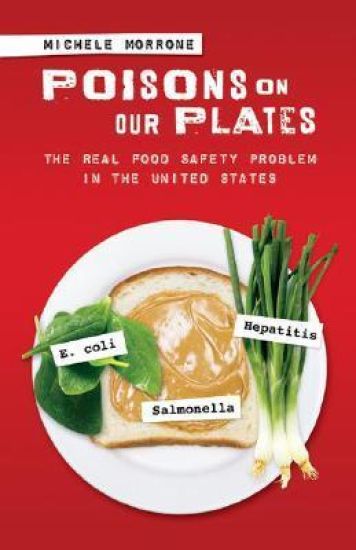
The safety of our food supply is an environmental health issue that affects every American citizen. The Centers for Disease Control and Prevention estimate that more than 76 million people in the United States suffer from foodborne illnesses every year. Microbiological contamination—bacteria, viruses, and parasites—is the leading cause of foodborne illness. Morrone faults the media for focusing the anxieties of the American public on such issues as irradiated food, genetically modified foods, and mad cow disease, while ignoring the microbial foodborne pathogens that are running amok in our food supply—except when point-source outbreaks of E. coli in spinach and green onions or salmonella in peanut butter sicken thousands of people at once.Many readers will be alarmed to learn from Poisons on Our Plates that there is no federal environmental health policy or agency that controls the bacteria and viruses in our food supply. The FDA Food Code and various voluntary systems overseen by local health departments are woefully inadequate. Drawing on disturbing stories told by food safety professionals as well as on statistical studies, the author paints a grimly fascinating picture of the impact of bacteria and viruses on our food supply and how they can make us sick. Morrone examines the increased risks that come with the rise in food imports from high-contamination countries such as China and Mexico. She advocates major changes to our nation's environmental health policies in order to control the growing dangers that foodborne illness pose to public health.
Poisons on Our Plates

Poisons on Our Plates

Michele Morrone

Praeger Publishers Inc
2008
sidottu
The safety of our food supply is an environmental health issue that affects every American citizen. The Centers for Disease Control and Prevention estimate that more than 76 million people in the United States suffer from foodborne illnesses every year. Microbiological contamination—bacteria, viruses, and parasites—is the leading cause of foodborne illness. Morrone faults the media for focusing the anxieties of the American public on such issues as irradiated food, genetically modified foods, and mad cow disease, while ignoring the microbial foodborne pathogens that are running amok in our food supply—except when point-source outbreaks of E. coli in spinach and green onions or salmonella in peanut butter sicken thousands of people at once.Many readers will be alarmed to learn from Poisons on Our Plates that there is no federal environmental health policy or agency that controls the bacteria and viruses in our food supply. The FDA Food Code and various voluntary systems overseen by local health departments are woefully inadequate. Drawing on disturbing stories told by food safety professionals as well as on statistical studies, the author paints a grimly fascinating picture of the impact of bacteria and viruses on our food supply and how they can make us sick. Morrone examines the increased risks that come with the rise in food imports from high-contamination countries such as China and Mexico. She advocates major changes to our nation's environmental health policies in order to control the growing dangers that foodborne illness pose to public health.
Sound Science, Junk Policy

Sound Science, Junk Policy

Michele Morrone; Timothy W. Lohner

Praeger Publishers Inc
2002
sidottu
Morrone and Lohner assert that sound science is often misinterpreted, which leads to questionable policy decisions. This provocative look at environmental policymaking shows the importance of correctly interpreting science, and examines the full implications of using science as the major criterion in the decision-making process. Contemporary critics often argue that environmental policy problems are rooted in junk science. Yet Morrone and Lohner assert that many cases are based on sound science that is misinterpreted, which leads to questionable policy decisions. Revealing the way science is used in the environmental decision-making process, the authors illustrate how policies can go awry. Their combined experience in the public and private sectors is buttressed by a series of case studies, including: •Air pollution •Solid and hazardous waste management •Food protection •Vectors and their diseases •Drinking water safety This provocative look at environmental policymaking shows the importance of correctly interpreting science, and examines the full implications of using science as the major criterion in the decision-making process.