Kirjojen hintavertailu. Mukana 12 390 323 kirjaa ja 12 kauppaa.

Kirjailija

Michele Pierson

Kirjat ja teokset yhdessä paikassa: 2 kirjaa, julkaisuja vuodelta 2002, suosituimpien joukossa Special Effects. Vertaile teosten hintoja ja tarkista saatavuus suomalaisista kirjakaupoista.

2 kirjaa

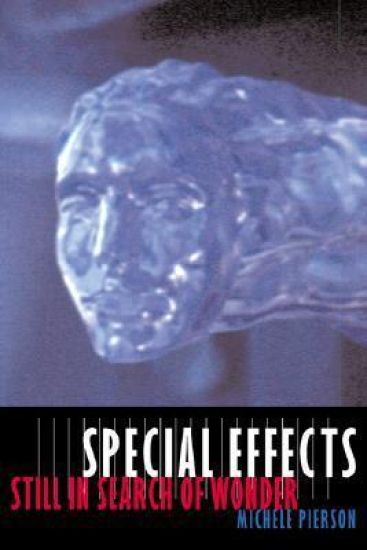
Special Effects

Special Effects

Michele Pierson

Columbia University Press
2002
sidottu
Pierson suggests new ways of understanding special effects and the popular science-fiction that features them in an analysis ranging from popular science and magic in the late nineteenth century to Hollywood science fiction cinema in the late twentieth century. She examines the role popular publications -science, genre, and computer magazines -have played in the development of connoisseurship; and critiques how film and cultural studies scholarship on special effects has dealt with theorizing their reception. The book touches on landmark films that have shaped the place of special effects in contemporary cinema, including "Star Wars," "Terminator 2," "Jurassic Park," "Independence Day," "Men in Black," and "The Matrix."
Special Effects

Special Effects

Michele Pierson

Columbia University Press
2002
pokkari
Designed to trick the eye and stimulate the imagination, special effects have changed the way we look at films and the worlds created in them. Computer-generated imagery (CGI), as seen in Hollywood blockbusters like Star Wars, Terminator 2, Jurassic Park, Independence Day, Men in Black, and The Matrix, is just the latest advance in the evolution of special effects. Even as special effects have been marveled at by millions, this is the first investigation of their broader cultural reception. Moving from an exploration of nineteenth-century popular science and magic to the Hollywood science fiction cinema of our time, Special Effects examines the history, advancements, and connoisseurship of special effects, asking what makes certain types of cinematic effects special, why this matters, and for whom. Michele Pierson shows how popular science magazines, genre filmzines, and computer lifestyle magazines have articulated an aesthetic criticism of this emerging art form and have helped shape how these hugely popular on-screen technological wonders have been viewed by moviegoers.