Kirjojen hintavertailu. Mukana 12 390 323 kirjaa ja 12 kauppaa.

Kirjailija

Michelle Poliskie

Kirjat ja teokset yhdessä paikassa: 3 kirjaa, julkaisuja vuosilta 2011-2017, suosituimpien joukossa Solar Module Packaging. Vertaile teosten hintoja ja tarkista saatavuus suomalaisista kirjakaupoista.

3 kirjaa

Kirjojen julkaisuhaarukka 2011-2017.

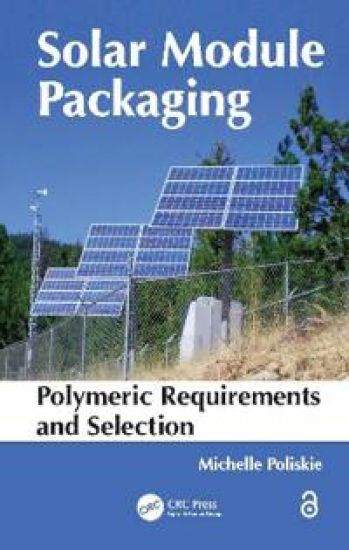
Solar Module Packaging

Solar Module Packaging

Michelle Poliskie

CRC Press
2017
nidottu
While global demand for photovoltaic (PV) modules has increased approximately 45 percent per year over the past decade, PV modules must be durable and inexpensive to compete with traditional energy resources. Often overlooked as a means to improve solar technology, polymer packaging is not only the key to protecting fragile solar cells from environmental factors, but is also the critical path for increasing the power performance of a PV moduleSolar Module Packaging: Polymeric Requirements and Selection explores current and future opportunities in PV polymeric packaging, emphasizing how it can simultaneously reduce cost, increase weatherability, and improve a PV module’s power. The book offers an insider’s perspective on the manufacturing processes and needs of the solar industry and reveals opportunities for future material development and processing.A broad survey of the polymeric packaging of solar cells, the text covers various classifications of polymers, their material properties, and optimal processing conditions. Taking a practical approach to material selection, it emphasizes industrial requirements for material development, such as cost reduction, increased material durability, improved module performance, and ease of processing. Addressing cost and profitability, the author examines the economics behind polymeric packaging and how it influences the selection process used by solar companies. Suitable for nonspecialists in polymer science, the book provides a basic understanding of polymeric concepts, fundamental properties, and processing techniques commonly used in solar module packaging. It presents guidelines for using polymers in commercial PV modules as well as the tests required to establish confidence in the selection process.
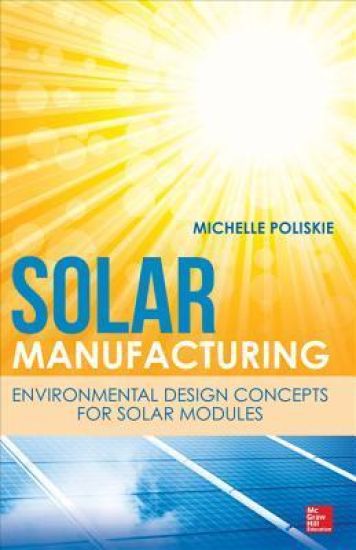
Solar Manufacturing: Environmental Design Concepts for Solar Modules
Publisher's Note: Products purchased from Third Party sellers are not guaranteed by the publisher for quality, authenticity, or access to any online entitlements included with the product.THE LATEST SUSTAINABLE DESIGN TECHNIQUES FOR SOLAR MODULESSolar Manufacturing: Environmental Design Concepts for Solar Modules explains the sustainable development methods used by today's leading photovoltaic companies. After reviewing various photovoltaic technologies and providing an overview of sustainable development, this practical guide illustrates how to apply sustainable development metrics to solar modules. The book describes how metrics are included in regulations, and how regulations can present barriers to market entry. Innovative product development trends used to improve the environmental attributes of solar modules are discussed in this timely resource.COVERAGE INCLUDES:* Introduction to photovoltaic technology * Motivation for sustainable development initiatives in the photovoltaic industry * Environmental metrics used by photovoltaic companies and example calculations * Environmental regulations used as trade barriers * Current trends to increase environmental sustainability * A full glossary and common abbreviations used in the industry
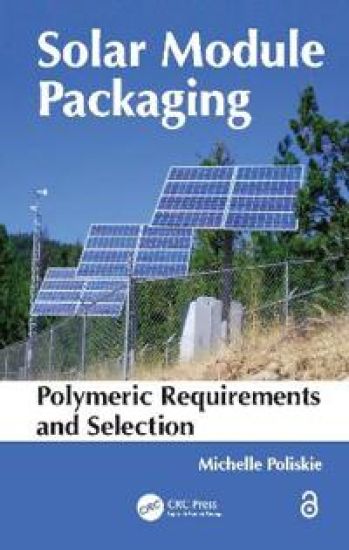
Solar Module Packaging

Solar Module Packaging

Michelle Poliskie

CRC Press Inc
2011
sidottu
While global demand for photovoltaic (PV) modules has increased approximately 45 percent per year over the past decade, PV modules must be durable and inexpensive to compete with traditional energy resources. Often overlooked as a means to improve solar technology, polymer packaging is not only the key to protecting fragile solar cells from environmental factors, but is also the critical path for increasing the power performance of a PV moduleSolar Module Packaging: Polymeric Requirements and Selection explores current and future opportunities in PV polymeric packaging, emphasizing how it can simultaneously reduce cost, increase weatherability, and improve a PV module’s power. The book offers an insider’s perspective on the manufacturing processes and needs of the solar industry and reveals opportunities for future material development and processing.A broad survey of the polymeric packaging of solar cells, the text covers various classifications of polymers, their material properties, and optimal processing conditions. Taking a practical approach to material selection, it emphasizes industrial requirements for material development, such as cost reduction, increased material durability, improved module performance, and ease of processing. Addressing cost and profitability, the author examines the economics behind polymeric packaging and how it influences the selection process used by solar companies. Suitable for nonspecialists in polymer science, the book provides a basic understanding of polymeric concepts, fundamental properties, and processing techniques commonly used in solar module packaging. It presents guidelines for using polymers in commercial PV modules as well as the tests required to establish confidence in the selection process.