Kirjojen hintavertailu. Mukana 12 390 323 kirjaa ja 12 kauppaa.

Kirjailija

Mikko Immanen

Kirjat ja teokset yhdessä paikassa: 5 kirjaa, julkaisuja vuosilta 2020-2025, suosituimpien joukossa Toward a Concrete Philosophy. Vertaile teosten hintoja ja tarkista saatavuus suomalaisista kirjakaupoista.

5 kirjaa

Kirjojen julkaisuhaarukka 2020-2025.

Adorno's Gamble

Adorno's Gamble

Mikko Immanen

CORNELL UNIVERSITY PRESS
2025
pokkari
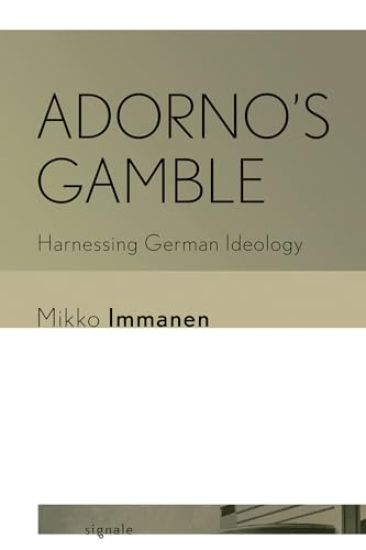
Adorno's Gamble offers a startling reinterpretation of the evolution of Theodor W. Adorno's thought, usually seen as a mix of critical Marxism, Freudian psychoanalysis, aesthetic modernism, and Jewish tradition. Mikko Immanen argues for another, previously unacknowledged source of Adorno's thinking on instrumental reason, dialectic of enlightenment, and frailty of democracy: the intellectual underpinnings of Germany's "conservative revolutionary" movement of the 1920s. In a dramatic reappraisal of the leading light of the Frankfurt School, Immanen follows Adorno's path of philosophical development from the late Weimar era through years in exile to the postwar period, establishing his debt to thinkers of radical conservative bent. In particular, he focuses on Adorno's enduring, and daring, effort to harness two of the most infamous works from this tradition—Oswald Spengler's Decline of the West and Ludwig Klages's The Spirit as Adversary of the Soul—and to repurpose their reactionary teachings for emancipatory ends.
Adorno's Gamble

Adorno's Gamble

Mikko Immanen

CORNELL UNIVERSITY PRESS
2025
sidottu
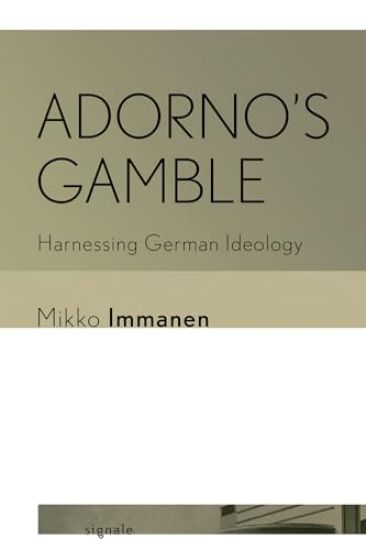
Adorno's Gamble offers a startling reinterpretation of the evolution of Theodor W. Adorno's thought, usually seen as a mix of critical Marxism, Freudian psychoanalysis, aesthetic modernism, and Jewish tradition. Mikko Immanen argues for another, previously unacknowledged source of Adorno's thinking on instrumental reason, dialectic of enlightenment, and frailty of democracy: the intellectual underpinnings of Germany's "conservative revolutionary" movement of the 1920s. In a dramatic reappraisal of the leading light of the Frankfurt School, Immanen follows Adorno's path of philosophical development from the late Weimar era through years in exile to the postwar period, establishing his debt to thinkers of radical conservative bent. In particular, he focuses on Adorno's enduring, and daring, effort to harness two of the most infamous works from this tradition—Oswald Spengler's Decline of the West and Ludwig Klages's The Spirit as Adversary of the Soul—and to repurpose their reactionary teachings for emancipatory ends.
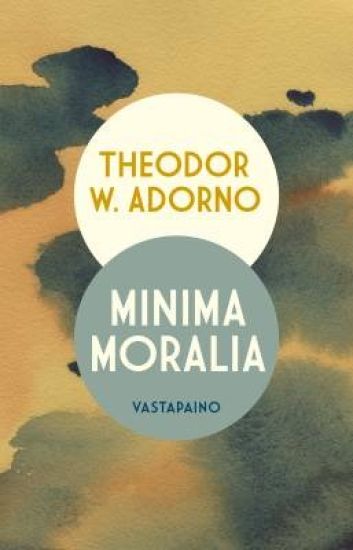
Minima Moralia

Minima Moralia

Theodor W. Adorno; Mikko Immanen

VASTAPAINO
2024
sidottu
Minima Moralia on 1900-luvun ajattelun klassikko, Adornon filosofinen ja kirjallinenmestariteos. Theodor Adornon vuosina 1944-1947 kirjoittama teos on kokoelmateräviä aforismeja ja pikku esseitä elämästä modernissa yhteiskunnassa. Paitsi yleisesti kapitalismiin kirjan tekstit ovat reaktioita sekä fasismiin että kaupalliseen massakulttuuriin, siihen, miten ne oireilevat arjen kokemuksissa ja ajatusmuodoissa.Siitä, mikä filosofeille kerran tarkoitti oikeanlaista elämää, on tullut yksityisyydenja lopulta pelkän kuluttamisen aluetta. Arjen subjektiivisista kokemuksista siirrytään kirjassa laajempiin yhteiskunnallisiin tulkintoihin ja oivalluksiin. Käsiteltyjä aiheita ovat muun muassa uudet saiturit, suhde esineisiin, okkultismin suosio, lastenlaulut, sadut ja riimit ja lelujen kumouksellinen luonne. Adorno osoittaa, miten pienimmätkin muutokset ihmisten jokapäiväisessä käyttäytymisessä liittyvät 1900-luvun katastrofaalisimpiin tapahtumiin. Maanpaossa kirjoitetun teoksen ”surullinen tiede” osuu entisellä voimallaan myös tällä hetkellä tapahtuvaan oikeistoradikalismin nousuun.
Toward a Concrete Philosophy

Toward a Concrete Philosophy

Mikko Immanen

Cornell University Press and Cornell University Library
2020
pokkari
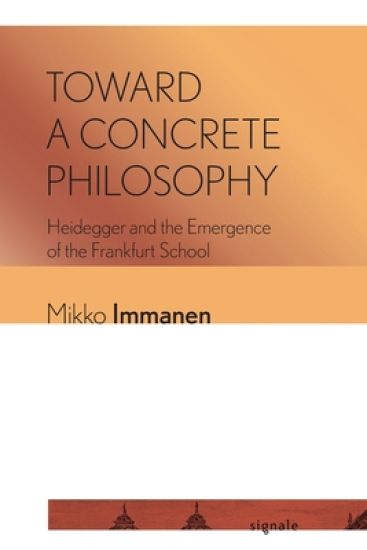
Toward a Concrete Philosophy explores the reactions of Theodor Adorno, Max Horkheimer, and Herbert Marcuse to Martin Heidegger prior to their dismissal of him once he turned to the Nazi party in 1933. Mikko Immanen provides a fascinating glimpse of the three future giants of twentieth-century social criticism when they were still looking for their philosophical voices. By reconstructing their overlooked debates with Heidegger and Heideggerians, Immanen argues that Adorno, Horkheimer, and Marcuse saw Heidegger's 1927 magnum opus, Being and Time, as a serious effort to make philosophy relevant for life again and as the most provocative challenge to their nascent materialist diagnoses of the discontents of European modernity. Our knowledge of Adorno's "Frankfurt discussion" with "Frankfurt Heideggerians" remains anecdotal, even though it led to a proto-version of Dialectic of Enlightenment's idea of the entwinement of myth and reason. Similarly, Horkheimer's enthusiasm over Heidegger's legendary post–World War I lectures and criticism of Being and Time have escaped attention almost entirely. And Marcuse's intriguing debate with Heidegger over Hegel and the origin of the problematic of "being and time" has remained uncharted until now. Reading these debates as fruitful intellectual encounters rather than hostile confrontations, Toward a Concrete Philosophy offers scholars of critical theory a new, thought-provoking perspective on the emergence of the Frankfurt School as a rejoinder to Heidegger's philosophical revolution.
Toward a Concrete Philosophy

Toward a Concrete Philosophy

Mikko Immanen

Cornell University Press and Cornell University Library
2020
sidottu
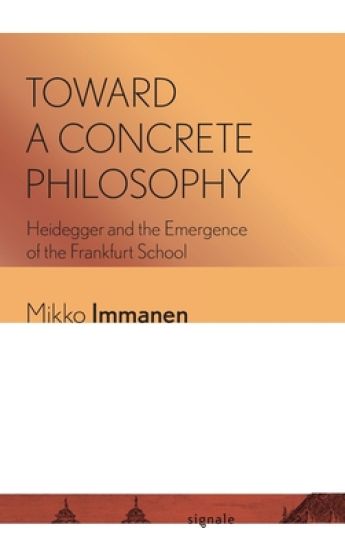
Toward a Concrete Philosophy explores the reactions of Theodor Adorno, Max Horkheimer, and Herbert Marcuse to Martin Heidegger prior to their dismissal of him once he turned to the Nazi party in 1933. Mikko Immanen provides a fascinating glimpse of the three future giants of twentieth-century social criticism when they were still looking for their philosophical voices. By reconstructing their overlooked debates with Heidegger and Heideggerians, Immanen argues that Adorno, Horkheimer, and Marcuse saw Heidegger's 1927 magnum opus, Being and Time, as a serious effort to make philosophy relevant for life again and as the most provocative challenge to their nascent materialist diagnoses of the discontents of European modernity. Our knowledge of Adorno's "Frankfurt discussion" with "Frankfurt Heideggerians" remains anecdotal, even though it led to a proto-version of Dialectic of Enlightenment's idea of the entwinement of myth and reason. Similarly, Horkheimer's enthusiasm over Heidegger's legendary post–World War I lectures and criticism of Being and Time have escaped attention almost entirely. And Marcuse's intriguing debate with Heidegger over Hegel and the origin of the problematic of "being and time" has remained uncharted until now. Reading these debates as fruitful intellectual encounters rather than hostile confrontations, Toward a Concrete Philosophy offers scholars of critical theory a new, thought-provoking perspective on the emergence of the Frankfurt School as a rejoinder to Heidegger's philosophical revolution.