Kirjojen hintavertailu. Mukana 12 550 632 kirjaa ja 12 kauppaa.

Kirjailija

Mirca Madianou

Kirjat ja teokset yhdessä paikassa: 6 kirjaa, julkaisuja vuosilta 2005-2024, suosituimpien joukossa Mediating the Nation. Vertaile teosten hintoja ja tarkista saatavuus suomalaisista kirjakaupoista.

6 kirjaa

Kirjojen julkaisuhaarukka 2005-2024.

Technocolonialism

Technocolonialism

Mirca Madianou

JOHN WILEY AND SONS LTD
2024
sidottu
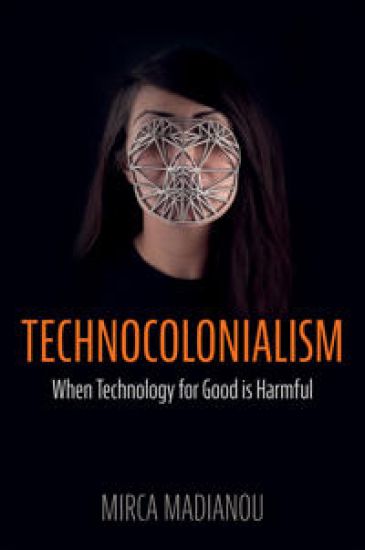
With over 300 million people in need of humanitarian assistance, and with emergencies and climate disasters becoming more common, AI and big data are being championed as forces for good and as solutions to the complex challenges of the aid sector. This book argues, however, that digital innovation engenders new forms of violence and entrenches power asymmetries between the global South and North. Madianou develops a new concept, technocolonialism, to capture how the convergence of digital developments with humanitarian structures, state power and market forces reinvigorates and reshapes colonial legacies. The concept of technocolonialism shifts the attention to the constitutive role that digital infrastructures, data and AI play in accentuating inequities between aid providers and people in need. Drawing on ten years of research on the uses of digital technologies in humanitarian operations, the book examines a range of practices: from the normalization of biometric technologies and the datafication of humanitarian operations to experimentation in refugee camps, which are treated as laboratories for technological pilots. In so doing, the book opens new ground in the fields of humanitarianism and critical AI studies, and in the debates in postcolonial studies, by highlighting the fundamental role of digital technologies in reworking colonial genealogies.
Technocolonialism

Technocolonialism

Mirca Madianou

JOHN WILEY AND SONS LTD
2024
nidottu
With over 300 million people in need of humanitarian assistance, and with emergencies and climate disasters becoming more common, AI and big data are being championed as forces for good and as solutions to the complex challenges of the aid sector. This book argues, however, that digital innovation engenders new forms of violence and entrenches power asymmetries between the global South and North. Madianou develops a new concept, technocolonialism, to capture how the convergence of digital developments with humanitarian structures, state power and market forces reinvigorates and reshapes colonial legacies. The concept of technocolonialism shifts the attention to the constitutive role that digital infrastructures, data and AI play in accentuating inequities between aid providers and people in need. Drawing on ten years of research on the uses of digital technologies in humanitarian operations, the book examines a range of practices: from the normalization of biometric technologies and the datafication of humanitarian operations to experimentation in refugee camps, which are treated as laboratories for technological pilots. In so doing, the book opens new ground in the fields of humanitarianism and critical AI studies, and in the debates in postcolonial studies, by highlighting the fundamental role of digital technologies in reworking colonial genealogies.
Migration and New Media

Migration and New Media

Mirca Madianou; Daniel Miller

Routledge
2011
sidottu
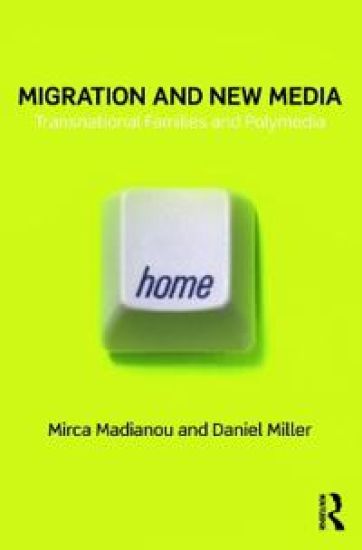
How do parents and children care for each other when they are separated because of migration? The way in which transnational families maintain long-distance relationships has been revolutionised by the emergence of new media such as email, instant messaging, social networking sites, webcam and texting. A migrant mother can now call and text her left-behind children several times a day, peruse social networking sites and leave the webcam for 12 hours achieving a sense of co-presence. Drawing on a long-term ethnographic study of prolonged separation between migrant mothers and their children who remain in the Philippines, this book develops groundbreaking theory for understanding both new media and the nature of mediated relationships. It brings together the perspectives of both the mothers and children and shows how the very nature of family relationships is changing. New media, understood as an emerging environment of polymedia, have become integral to the way family relationships are enacted and experienced. The theory of polymedia extends beyond the poignant case study and is developed as a major contribution for understanding the interconnections between digital media and interpersonal relationships.
Migration and New Media

Migration and New Media

Mirca Madianou; Daniel Miller

Routledge
2011
nidottu
How do parents and children care for each other when they are separated because of migration? The way in which transnational families maintain long-distance relationships has been revolutionised by the emergence of new media such as email, instant messaging, social networking sites, webcam and texting. A migrant mother can now call and text her left-behind children several times a day, peruse social networking sites and leave the webcam for 12 hours achieving a sense of co-presence. Drawing on a long-term ethnographic study of prolonged separation between migrant mothers and their children who remain in the Philippines, this book develops groundbreaking theory for understanding both new media and the nature of mediated relationships. It brings together the perspectives of both the mothers and children and shows how the very nature of family relationships is changing. New media, understood as an emerging environment of polymedia, have become integral to the way family relationships are enacted and experienced. The theory of polymedia extends beyond the poignant case study and is developed as a major contribution for understanding the interconnections between digital media and interpersonal relationships.
Mediating the Nation

Mediating the Nation

Mirca Madianou

Routledge Cavendish
2005
sidottu
What does it mean to watch two-hour long news programmes every evening? Why are some people 'addicted' to the news while others prefer to switch off? Television is an indispensable part of the fabric of modern life and this book investigates a facet of this process: its impact on the ways that we experience the political entity of the nation and our national and transnational identities.Drawing on anthropological, social and media theory and grounded on a two-year original ethnography of television news viewing in Athens, the book offers a fresh, interdisciplinary perspective in understanding the media/identity relationship. Starting from a perspective that examines identities as lived and as performed, the book follows the circulation of discourses about the nation and belonging and contrasts the articulation of identities at a local level with the discourses about the nation in the national television channels. The book asks: whether, and in what ways does television influence identity discourses and practices? When do people contest the official discourses about the nation and when do they rely on them? Do the media play a role in relation to inclusion and exclusion from public life, particularly in the case of minorities?The book presents a compelling account of the contradictory and ambivalent nature of national and transnational identities while developing a nuanced approach to media power. It is argued that although the media do not shape identities in a causal way, they do contribute in creating common communicative spaces which often catalyse feelings of belonging or exclusion. The book claims a place in the emerging sub-field of media anthropology and represents the new generation of audience research that places media consumption in the wider social, economic and political context.
Mediating the Nation

Mediating the Nation

Mirca Madianou

Routledge Cavendish
2005
nidottu
What does it mean to watch two-hour long news programmes every evening? Why are some people 'addicted' to the news while others prefer to switch off? Television is an indispensable part of the fabric of modern life and this book investigates a facet of this process: its impact on the ways that we experience the political entity of the nation and our national and transnational identities.Drawing on anthropological, social and media theory and grounded on a two-year original ethnography of television news viewing in Athens, the book offers a fresh, interdisciplinary perspective in understanding the media/identity relationship. Starting from a perspective that examines identities as lived and as performed, the book follows the circulation of discourses about the nation and belonging and contrasts the articulation of identities at a local level with the discourses about the nation in the national television channels. The book asks: whether, and in what ways does television influence identity discourses and practices? When do people contest the official discourses about the nation and when do they rely on them? Do the media play a role in relation to inclusion and exclusion from public life, particularly in the case of minorities?The book presents a compelling account of the contradictory and ambivalent nature of national and transnational identities while developing a nuanced approach to media power. It is argued that although the media do not shape identities in a causal way, they do contribute in creating common communicative spaces which often catalyse feelings of belonging or exclusion. The book claims a place in the emerging sub-field of media anthropology and represents the new generation of audience research that places media consumption in the wider social, economic and political context.