Kirjojen hintavertailu. Mukana 12 390 323 kirjaa ja 12 kauppaa.
Kirjailija
Miriam Williams
Kirjat ja teokset yhdessä paikassa: 10 kirjaa, julkaisuja vuosilta 2010-2019, suosituimpien joukossa Tracey Tea Pot: Spiteful Sheila. Vertaile teosten hintoja ja tarkista saatavuus suomalaisista kirjakaupoista.
Tracey Tea Pot loved her life. She lived on Patterson Farm near Parsnip Wood. She had a warm, loving nature and loved listening to her family's tales and stories.Join Tracey Tea Pot and her family as the watch over Spiteful Sheila.Will Spiteful Sheila misbehave and cause trouble? And will Tracey Tea Pot again save the day?
**************************************************************************************Tracey Tea Pot loved her life. She lived on Patterson Farm near Parsnip Wood. She had a warm, loving nature and loved listening to her family's tales and stories.**********************************************************************************************************
Tracey Tea Pot loved her life. She lived on Patterson farm near Parsnip Wood. She had a warm, loving nature and loved to listen to the family's tales and stories. Her pride of place was in the kitchen on top of the stove.Christmas is a very exciting time in the Patterson household. Let us join Tracey Tea Pot and the Patterson as they celebrate Christmas.Is there going to be another trouble this Christmas? And will Tracey Tea Pot again save the day?
Tracey Tea Pot had been born in Parsnip wood. She had been made by the elves that lived in the wood. They had given her magical powers. Dad had brought her to the Patterson house. He had found her one day when out walking with Rusty, the family dog. She loved all the warm smells, all the chattering, laughter, and even tears that sometimes occurred in the old kitchen. The room was the heart of the household. Lately, Alice had been unusually quiet. She was a reserved girl but had been acting quite strangely. Mum had asked her if there was anything worrying her. Miriam had tried to have a sister chat. Even William told her that her big brother would look after her if there were anything wrong. Still, Alice insisted that everything was just perfect. Why is Alice acting different? Let us join Tracey Teapot and the family as they find out what is going on with Alice. Will Tracey Tea Pot save the day?
Tracey Tea Pot loved her life. She lived on Patterson farm near Parsnip Wood. She had a warm, loving nature and loved to listen to the family's tales and stories. Her pride of place was in the kitchen on top of the stove.Tracey Tea Pot had been worried lately about Mum. She hadn't been herself recently, and the last few days, she had looked tired and worn out. What is wrong with Mum? Join Tracey Tea Pots adventures and enjoy her family's stories.
The book you hold in your hands was not written in condemnation, or as a critical indictment against the Church or any segment of it. Quite the contrary It has been composed out of a deep love and concern that Church rise and fulfill her divine calling in the earth according to all that is revealed in the Word of God. It is a must read for anyone longing for the next move of God in our world today Both inspiring and heart convicting. A Dangerous Church is coming forth in the earth, and she is beautiful to her Groom, but lethal to her enemy Within these pages you will discover: * Your biblical identity * The mindset that prevails over every enemy * Your rightful inheritance and how to possess it * Other exciting insights from Scripture into the end of the ages Destiny awaits you
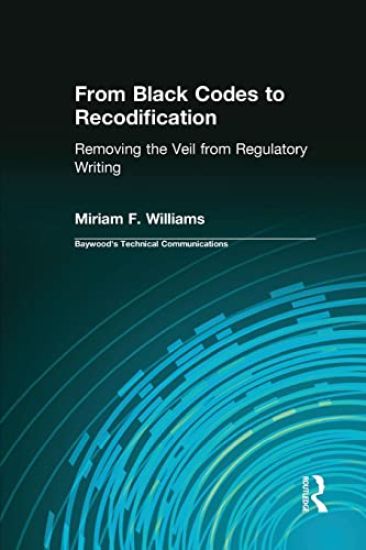
This book examines Texas regulations from the Texas Black Codes of 1866, some of the most deceptive regulations in Texas history, to contemporary Texas Child Care Licensing regulations, which perhaps symbolize some of the most audience-friendly contemporary regulations in Texas. The author focuses on the contemporary African-American audience, often categorized as distrustful of government. The book can help public policy students understand the complexities of intercultural communication and negotiation in public policy development and implementation.
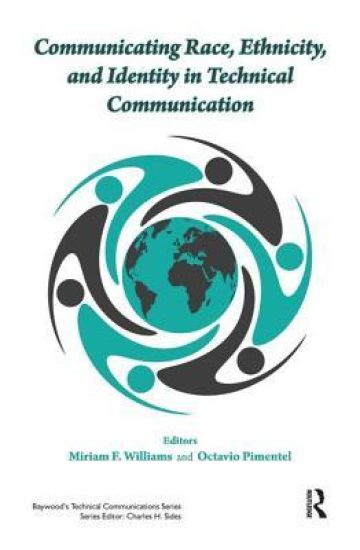
The purpose of this book is to move our field's discussion beyond issues of diversity in the practice of technical communication, which is certainly important, to include discussions of how race and ethnicity inform the production and distribution of technical communication in the United States. Equally important, this book is an attempt to uncover those communicative practices used to adversely affect historically marginalized groups and identify new practices that can be used to encourage cultural competence within institutions and communities. This book, like our field, is an interdisciplinary effort. While all authors have taught or practiced technical communication, their backgrounds include studies in technical communication, rhetoric and composition, creative writing, and higher education. For the sake of clarity, the book is organized into five sections: historical representations of race and ethnicity in health and science communication; social justice and activism in technical communication; considerations of race and ethnicity in social media; users' right to their own language; and communicating identity across borders, cultures, and disciplines.
The purpose of this book is to move our field's discussion beyond issues of diversity in the practice of technical communication, which is certainly important, to include discussions of how race and ethnicity inform the production and distribution of technical communication in the United States. Equally important, this book is an attempt to uncover those communicative practices used to adversely affect historically marginalized groups and identify new practices that can be used to encourage cultural competence within institutions and communities. This book, like our field, is an interdisciplinary effort. While all authors have taught or practiced technical communication, their backgrounds include studies in technical communication, rhetoric and composition, creative writing, and higher education. For the sake of clarity, the book is organized into five sections: historical representations of race and ethnicity in health and science communication; social justice and activism in technical communication; considerations of race and ethnicity in social media; users' right to their own language; and communicating identity across borders, cultures, and disciplines.
This book examines Texas regulations dating as far back as the Texas Black Codes of 1866 to contemporary Texas Child Care Licensing regulations. It presents case studies that test contemporary African American perceptions of various styles of regulatory writing.