Kirjojen hintavertailu. Mukana 12 595 353 kirjaa ja 12 kauppaa.

Kirjailija

Misa Kayama

Kirjat ja teokset yhdessä paikassa: 2 kirjaa, julkaisuja vuosilta 2013-2020, suosituimpien joukossa Disability, Stigmatization, and Children's Developing Selves. Vertaile teosten hintoja ja tarkista saatavuus suomalaisista kirjakaupoista.

2 kirjaa

Kirjojen julkaisuhaarukka 2013-2020.

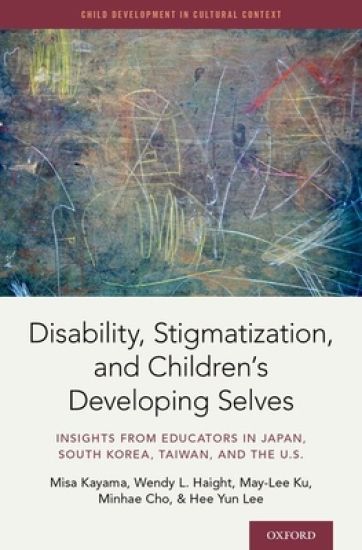
Disability, Stigmatization, and Children's Developing Selves

Disability, Stigmatization, and Children's Developing Selves

Misa Kayama; Wendy Haight; May-Lee Ku; Minhae Cho; Hee Yun Lee

Oxford University Press Inc
2020
sidottu
Guided by developmental cultural psychology, this volume focuses on understandings and responses to disability and stigmatization from the perspectives of educators practicing in Japan, South Korea, Taiwan, and the United States. Synthesizing research that spanned over a decade, this volume seeks to understand disabilities in different developmental and cultural contexts. The research presented in this book found that educators from all four cultural groups expressed strikingly similar concerns about the impact of stigmatization on the emerging cultural self, both with children with disabilities and their typically developing peers, while also describing culturally nuanced socialization goals and practices pertaining to inclusive education. In providing a multicultural view of common challenges in classrooms from around the world, this book provides important lessons for the improvement of children's lives, as well as the development of theory, policy, and programs that are culturally sensitive and sustainable.
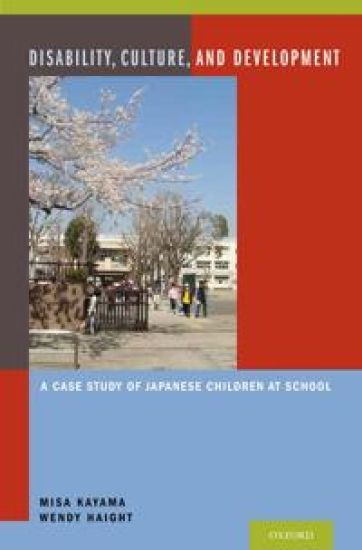
Disability, Culture, and Development

Disability, Culture, and Development

Misa Kayama; Wendy Haight

Oxford University Press Inc
2013
sidottu
This book examines Japanese cultural beliefs about disability and related socialization practices as they impact the experiences of elementary school-aged children. Physical and mental conditions which impair children's functioning are universal issues impacting child welfare and educational systems around the world. While the American approach is well understood and represented in the literature, cultures differ in which physical and mental conditions are considered 'disabling'. Currently, the Japanese educational system is in transition as public schools implement formal special education services for children with developmental disabilities. 'Developmental disabilities' is a new term used by Japanese educators to categorize a variety of relatively minor social and cognitive conditions caused by neurologically based deficits: learning disabilities such as dyslexia, ADHD, and Asperger's Syndrome. Children who were once considered 'difficult' or 'slow learners' are now considered to be 'disabled' and in need of special services. This transition created an excellent opportunity to explore Japanese beliefs about disability that might otherwise have remained unexamined by participants, and how these evolving beliefs and new socialization and educational practices impact children's experiences.