Kirjojen hintavertailu. Mukana 12 251 771 kirjaa ja 12 kauppaa.

Kirjailija

Mohamed Ali Ahdash

Kirjat ja teokset yhdessä paikassa: 2 kirjaa, julkaisuja vuodelta 2016, suosituimpien joukossa Copyright in Islamic Law. Vertaile teosten hintoja ja tarkista saatavuus suomalaisista kirjakaupoista.

2 kirjaa

Copyright in Islamic Law

Copyright in Islamic Law

Mohamed Ali Ahdash

The Islamic Texts Society
2016
nidottu
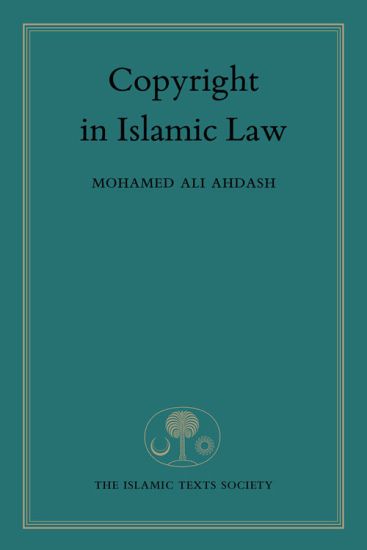
Copyright in Islamic Law is the first work in English to systematically address the ideas of intellectual property and copyright from an Islamic perspective. The author builds a framework from within Shari'a law to address the concepts of intellectual property and copyright. In so doing, he adopts the classical usul al-fiqh approach by firstly defining the key terms associated with the field, namely: right (haq), ownership (milkiyya), wealth (mal), and utility (manfa'a). Dr Ahdash then analyses how these terms are used in the Qur'an and in the Hadith before looking at how the secondary sources of qiyas (analogy), maslaha (public interest), 'urf (custom) and al-qawa'id al-fiqhiyya (legal maxims) can be applied to copyright. The result of this study is a framework wherein the concept of copyright is defined and understood in an Islamic manner. This then gives a consistent approach from which specific rulings can be derived. Copyright in Islamic Law is a ground-breaking study not only within Shari'a law, but also by making a contribution to the on-going debates on copyright in general.
Copyright in Islamic Law

Copyright in Islamic Law

Mohamed Ali Ahdash

The Islamic Texts Society
2016
sidottu
Copyright in Islamic Law is the first work in English to discuss systematically the ideas of intellectual property and copyright from an Islamic perspective. In so doing, the author, Dr Mohamed Ahdash, adopts the discipline of usul al-fiqh (principles of Islamic jurisprudence) to see if key terms associated with one's legal rights--such as the right to ownership (milkiyya), wealth (ma l) and utility (manfa'a)--can be applied to copyright. Dr Ahdash then seeks evidence for copyright in the primary sources of Islamic law--the Qur'a n and the Hadith--before looking at how the secondary sources of analogy (qiyas), public interest (maslaha), custom ('urf) and legal maxims (qawa'id fiqhiyya) can be applied to copyright. The result of this study is a framework wherein the concept of copyright is defined and understood according to Sharia law. This gives a consistent approach from which specific legal rulings can be derived. Copyright in Islamic Law is both a ground-breaking study in Shari'a law and a valuable contribution to the ongoing debates on copyright in general.