Kirjojen hintavertailu. Mukana 12 390 323 kirjaa ja 12 kauppaa.
Kirjailija
Mohamed Choukri
Kirjat ja teokset yhdessä paikassa: 7 kirjaa, julkaisuja vuosilta 2006-2024, suosituimpien joukossa For Bread Alone. Vertaile teosten hintoja ja tarkista saatavuus suomalaisista kirjakaupoista.
Driven by famine from their home in the Rif, Mohamed's family walks to Tangiers in search of a better life. But things are no better there. Eight of his siblings die of malnutrition and neglect, and one is killed by his father in a fit of rage. This is a memoir of a young Moroccan boy's coming of age in a time of extreme poverty and degradation.
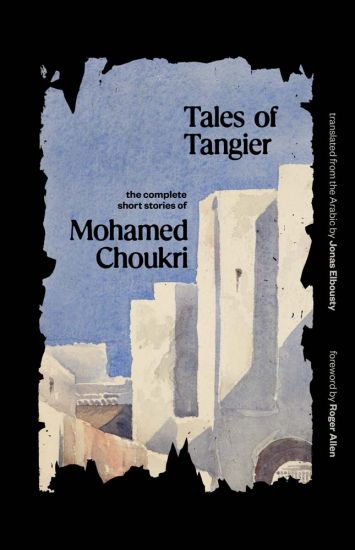
The complete short stories of acclaimed Moroccan author Mohamed Choukri, translated into English and collected in one volume for the first time A World Literature Today Notable Translation of 2023 “Choukri is one of Morocco’s most revered figures. . . . To have his words translated is to have the privilege to view the inner world of his intellect and the obscured landscapes of Tangier.”—Noshin Bokth, The New Arab Mohamed Choukri’s vivid stories invite the reader to wander the streets of Tangier, the ancient coastal crossroads between Europe and Africa, and to meet its denizens at markets, beaches, cafés, and brothels. Choukri’s Tangier is a place where newborns are for sale, swindlers hawk the Prophet’s shoes, and boys collect trash to sell for food. Choukri says that “writing is a protest, not a parade.” And in these thirty-one stories he privileges the voices of those ignored by society: the abused, the abandoned, the addicted. The tales are at once vibrant local vignettes and profound reflections on the lives, sufferings, and hopes of Choukri’s fellow Tangerines.
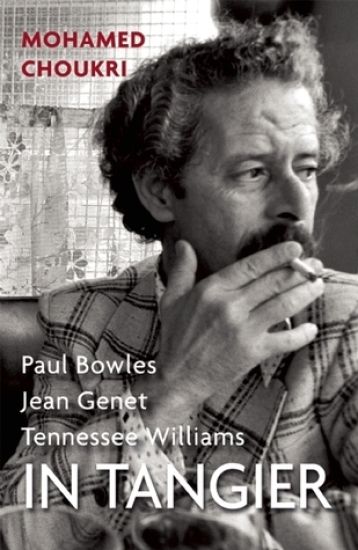
Tangier, 'the most extraordinary and mysterious city in the world', in Mohamed Choukri's mind, was a haven for many Western writers in the early twentieth century. Paul Bowles, Jean Genet and Tennessee Williams all spent time there, and each was befriended in turn by Choukri. Collected here for the first time are Choukri's delightful recollections of these encounters, offering a fresh and unpretentious insight into the lives of these cult figures. The sights and sounds of seventies Tangier are brought vividly to life, as are the larger-than-life characters of these extraordinary men, through ordinary everyday events. It is a must-have for anyone with an interesting Tangier's literary life.
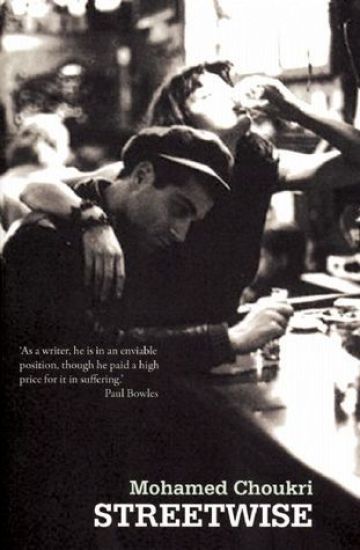
At the age of twenty Mohamed Choukri takes the momentous decision to learn to read and write, and joins a children's class at the local state school in Tangier. When not at school he hangs out in cafes, drinking and smoking kif. Some nights he sleeps in a doss-house, but mostly he sleeps in mosques or on the street. He befriends many 'lowlife' characters, while the cafe habitues help him with his Arabic and the local prostitutes take him home, providing some human solace. Choukri's determination to educate himself, and his compassion for those with whom he shares his life on the streets is heartfelt and inspirational.
The first English translation of one of the novels that helped change modern Arab literatureMohamed Choukri, one of the most important writers of modern Moroccan literature, grew up in extreme poverty in Tangier and was illiterate until the age of twenty. After learning to read, he realized that "writing could also be a way to expose, to protest against those who have stolen my childhood, my teenage-hood and a piece of my youthfulness." His vivid portrayals of marginalized people, which had been considered taboo, led to the censorship of his work and a cultural backlash in the Middle East.In Faces, the third book in his trilogy of fictionalized autobiographical works, he describes gritty events, extreme poverty, prostitution, violence, sexual revelry, deprivation, and abuse. It is through his storytelling that Choukri reflects on human nature, love, and kindness–emphasizing the need for community and collaboration. Faces humanizes those undergoing poverty and places the blame for the violence they encounter squarely on colonial forces and the resulting postcolonial government, while opening literary traditions to a new style of writing.Choukri's friendships with Tennessee Williams, Paul Bowles, Jean Genet, and other writers brought him attention in his lifetime. But Faces—his last novel, which was originally published in Arabic in 2000—has remained untranslated until now. In English for the first time, Jonas Elbousty's translation allows Choukri's work to reach wider international discussions of contemporary Arab literature.
For much of the twentieth century, Tangier stood at a crossroads of cultures, creativity and chaos. Its labyrinthine streets and vivid contradictions attracted adventurers and artists, forming the backdrop of an era of literary and cultural revolution. At its heart was Mohamed Choukri, a self-taught writer whose life epitomised resilience and transformation, rising from illiteracy and hardship to become one of Morocco’s most celebrated voices. In Tangier captures Choukri’s memories of the city and his encounters with luminaries Paul Bowles, Jean Genet and Tennessee Williams, whose lives intertwined with his own. Against the evocative backdrop of 1970s Tangier, Choukri offers readers a glimpse into the complex personalities of these iconic figures while painting a portrait of a city teetering between past and present. A mesmerising blend of memoir and cultural history, In Tangier celebrates the spirit of a city and its indelible mark on literary history.