Kirjojen hintavertailu. Mukana 12 595 353 kirjaa ja 12 kauppaa.

Kirjailija

Mohamed Mohamud Abdi

Kirjat ja teokset yhdessä paikassa: 3 kirjaa, julkaisuja vuosilta 2021-2022, suosituimpien joukossa A History Of The Ogaden (Western Somali) Struggle For Self-Determination Part II (2007-2021). Vertaile teosten hintoja ja tarkista saatavuus suomalaisista kirjakaupoista.

3 kirjaa

Kirjojen julkaisuhaarukka 2021-2022.

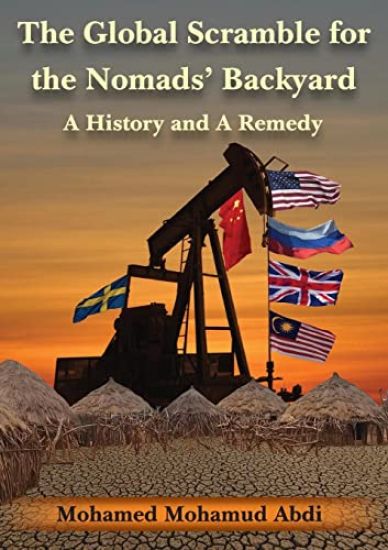
The Global Scramble for the Nomads' Backyard

The Global Scramble for the Nomads' Backyard

Mohamed Mohamud Abdi

Safis Publishing Limited
2022
pokkari
The book is about the exploitation of the natural energy resources in the Ogaden Basin by foreigners without the consent of the Somali Region's indigenous inhabitants. The exploitation started over a century ago and continues to the present day. The scramble for the geological resources in the Ogaden Basin, the consequent menace and how to repair the damage resulting from the scramble are the main topics of the book.The history section details the history of the scramble and its consequences for the Somali Region, for the Horn of Africa and for world peace. Recommended remediation measures for the scramble based on legal economic and environmental considerations follow that historical overview. The remedy aims to redress the negative impacts of the scramble and also construct a management framework that can lead to the optimal utilisation of the natural energy resources in the region.The book presents the management frameworks of the oil and gas industries of Norway and Nigeria as lessons in natural energy resource management. The models of these two countries are contrasting experiments in terms of success, but both provide useful lessons.The book ends with an ongoing discussion in the forum regarding the future of the oil and gas resources in the Somali Region. The forum under the tree is a continuous debate forum exclusively attended by the indigenous inhabitants who aim to protect the region's natural resources and environment and ensure optimal utilisation of the resources.
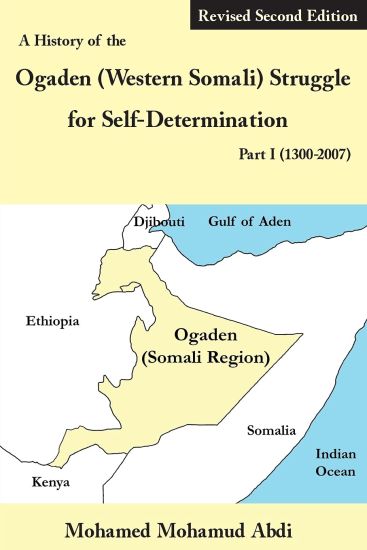
A History of the Ogaden (Western Somali) Struggle for Self-Determination Part I (1300-2007)
This book is about the history of the Ogaden region. Since its forced incorporation into Ethiopia, the region has been a zone of conflict. The war between the Ethiopian occupiers and the resistance forces of the Somalis began with the first Ethiopian incursions. It intensified after the completion of the occupation and still persists despite intermittent periods of respite. Because of the inhabitants' rejection of the annexation, the oppressive policies that successive Ethiopian regimes pursued to maintain the occupation and the ensuing resistance to both the occupation and the subsequent violations of human rights, the region has not seen real peace since the occupation began. The protracted war and persistent repression have made normal life unattainable there, and instead, hunger, refugee crises and human rights abuses have become the norm. The inhabitants are constantly being displaced. Over a million people fled to neighbouring countries during the 1970s and 1980s. Despite the long suffering of the inhabitants of the Ogaden region, the victims did not receive the attention that was due from the international community. This history work consists of two parts. The first part begins with the root causes of the conflict and highlights the different stages of the struggle and its impacts. It ends with a discussion of the case for self-determination and the prospects for a resolution to the conflict. The second part picks up the history from where the first part ended, casting light on the political and humanitarian consequences of the conflict for the region's inhabitants and for the wider Horn region. It concludes with a prediction about future resolution scenarios.The Ogaden issue is crucial to the Horn of Africa. Because of the wider impacts that the conflict is having on this part of the African continent, a resolution to the Ogaden conflict would not only lead to the alleviation of the suffering of the inhabitants of the Ogaden region but also make that part of the world a better place to live in. Despite the superpowers' involvement in the conflict and its devastating consequences, serious attempts have not been made to resolve it. Ethiopia's voice has always been louder than that of the Ogaden region, and as a result, the issue has been misrepresented in international arenas. As a foundation for the study of the Somali Ogaden region, this history work aims to shed light on the main issues affecting the conflict, in order to contribute to a better understanding of the problem and, hopefully, to the resolution of the conflict.
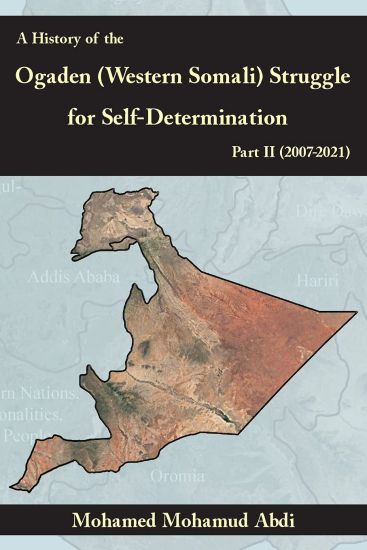
A History Of The Ogaden (Western Somali) Struggle For Self-Determination Part II (2007-2021)
The Ogaden region/Somali state is inhabited by Somalis and is geographically and administratively part of Ethiopia, but its political status remains unsettled. The war between Ethiopia and the resistance began with the Ethiopian incursion into the territory and intensified after the completion of the occupation but has never stopped. Because the inhabitants rejected the Ethiopian annexation, successive Ethiopian regimes pursued repressive policies to continue the occupation. This repression and the ensuing resistance to both the occupation and subsequent violations of human rights has meant that the region has not seen real peace since its forced incorporation into Ethiopia. The consequences of this protracted war and the subsequent crackdowns have adversely and severely affected the lives and livelihoods of the inhabitants. As a result of this insecurity and the persistent repression by successive Ethiopian governments, normal life has become unattainable there, and instead, persistent hunger, refugee crises and human rights abuses have become the norms. The inhabitants are constantly displaced internally and externally. Over a million people fled to neighbouring countries during the 1970s and 1980s. This historical analysis consists of two parts. The first part begins with the root causes of the Ogaden conflict, highlights the different stages of the fighting and its impacts on the living conditions of the inhabitants, and ends with a discussion on the prospects for a resolution to the conflict. The second part picks up the history from where the first one ended, casting light on the progress and political and humanitarian consequences of the conflict for the inhabitants of the Somali Region and for the wider Horn of Africa. It concludes with a prediction of the future scenarios for conflict resolution.The Ogaden conflict is the main source of the wars and instability that persist in the Horn of Africa region. Because of this conflict's wider impacts on that part of the African continent, a resolution to this conflict will not only lead to the alleviation of the suffering of the inhabitants of the Ogaden region but will also immensely contribute to peace in the Horn of Africa. As a foundation for the study of Somali society in the Ogaden region, this historical book aims to shed light on the main issues affecting the conflict to contribute to the understanding of the problem and thereby hopefully to the resolution of the conflict.