Kirjojen hintavertailu. Mukana 12 125 943 kirjaa ja 12 kauppaa.

Kirjailija

Mohammad Affan

Kirjat ja teokset yhdessä paikassa: 2 kirjaa, julkaisuja vuosilta 2022-2023, suosituimpien joukossa Secularism Confronts Islamism. Vertaile teosten hintoja ja tarkista saatavuus suomalaisista kirjakaupoista.

2 kirjaa

Kirjojen julkaisuhaarukka 2022-2023.

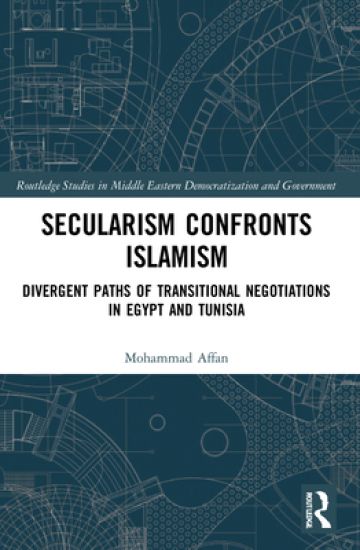
Secularism Confronts Islamism

Secularism Confronts Islamism

Mohammad Affan

TAYLOR FRANCIS LTD
2023
nidottu
This book provides in-depth examination of the recent confrontation between Islamists and secularists in Egypt and Tunisia. Presenting a new approach to understand Islamism and secularism, the research addresses the variables that could affect the outcome of transitional negotiations.The secularist-Islamist conflict proved to be a major hindrance for democratisation and a main source of political instability in the Middle East. During the Arab Spring, disputes between both political trends sparked shortly after getting rid of their common enemy: the autocratic rulers. First, they disagreed on how to lead the transitional period. Then, polarisation grew deeper with the political competition in the parliamentary and presidential elections and the ideological disagreements during the drafting of the constitution. Eventually, this conflict put Tunisia at a verge of civil strife in the summer of 2013 and led to collapse of the transitional process in Egypt after the military coup.Examining the causes of the conflict between the secularists and the Islamists during the transitional period, the work provides new insights from the Arab Spring experience. Updating the transition literature, the book is a key resource to academics and students interested in democratization theory and Middle East politics.
Secularism Confronts Islamism

Secularism Confronts Islamism

Mohammad Affan

TAYLOR FRANCIS LTD
2022
sidottu
This book provides in-depth examination of the recent confrontation between Islamists and secularists in Egypt and Tunisia. Presenting a new approach to understand Islamism and secularism, the research addresses the variables that could affect the outcome of transitional negotiations.The secularist-Islamist conflict proved to be a major hindrance for democratisation and a main source of political instability in the Middle East. During the Arab Spring, disputes between both political trends sparked shortly after getting rid of their common enemy: the autocratic rulers. First, they disagreed on how to lead the transitional period. Then, polarisation grew deeper with the political competition in the parliamentary and presidential elections and the ideological disagreements during the drafting of the constitution. Eventually, this conflict put Tunisia at a verge of civil strife in the summer of 2013 and led to collapse of the transitional process in Egypt after the military coup.Examining the causes of the conflict between the secularists and the Islamists during the transitional period, the work provides new insights from the Arab Spring experience. Updating the transition literature, the book is a key resource to academics and students interested in democratization theory and Middle East politics.