Kirjojen hintavertailu. Mukana 12 309 559 kirjaa ja 12 kauppaa.

Kirjailija

Mohammad T. Alhawary

Kirjat ja teokset yhdessä paikassa: 6 kirjaa, julkaisuja vuosilta 2009-2025, suosituimpien joukossa Modern Standard Arabic Grammar, Revised and Updated. Vertaile teosten hintoja ja tarkista saatavuus suomalaisista kirjakaupoista.

6 kirjaa

Kirjojen julkaisuhaarukka 2009-2025.

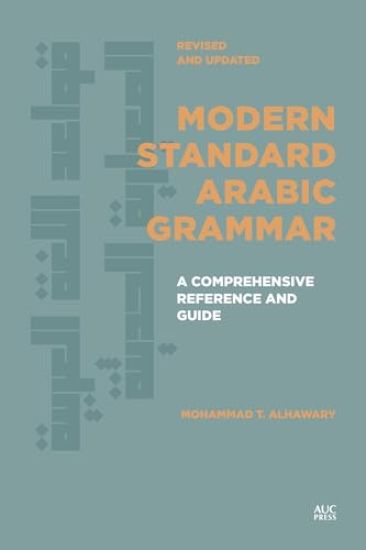
Modern Standard Arabic Grammar, Revised and Updated

Modern Standard Arabic Grammar, Revised and Updated

Mohammad T. Alhawary

AMERICAN UNIVERSITY IN CAIRO PRESS
2025
pokkari
This comprehensive guide to Arabic grammar is an essential resource for the first five years of language learning and beyond, now in a revised editionThorough and carefully organized, this book covers all the basic structures and grammar that students need for the first five years of learning Modern Standard Arabic, from beginner through to advanced proficiency levels. - Filled with diagrams, tables, and examples for ease of learning- Provides straightforward explanations of the all the key grammar points, avoiding overly jargonistic language- Presents grammar rules and structures in order of frequency and communicative functional useAlready a time-proven favorite among students and teachers alike, this classic book now has a new chapter as well as updates and new material throughout.
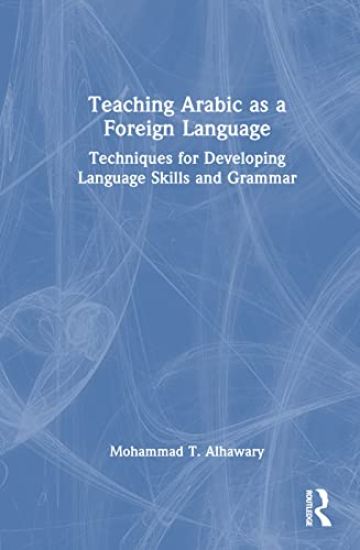
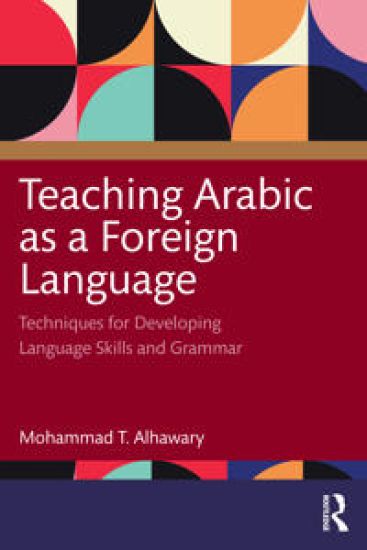
Teaching Arabic as a Foreign Language

Teaching Arabic as a Foreign Language

Mohammad T. Alhawary

TAYLOR FRANCIS LTD
2023
sidottu
Teaching Arabic as a Foreign Language: Techniques for Developing Language Skills and Grammar is an indispensable guide for in-training and novice teachers of Arabic as a foreign language and a source of fresh and effective ideas for experienced teachers. This highly practical guide outlines how Arabic second-language skills (listening, speaking, reading, and writing) and grammar are targeted in isolation from one another and how they are integrated to reinforce each other through the use of specific tried-and-tested techniques and activities.Teaching Arabic as a Foreign Language provides instantly accessible, practical teaching techniques to target and develop specific language skills and grammar at novice, intermediate, and advanced levels.
Teaching Arabic as a Foreign Language

Teaching Arabic as a Foreign Language

Mohammad T. Alhawary

TAYLOR FRANCIS LTD
2023
nidottu
Teaching Arabic as a Foreign Language: Techniques for Developing Language Skills and Grammar is an indispensable guide for in-training and novice teachers of Arabic as a foreign language and a source of fresh and effective ideas for experienced teachers. This highly practical guide outlines how Arabic second-language skills (listening, speaking, reading, and writing) and grammar are targeted in isolation from one another and how they are integrated to reinforce each other through the use of specific tried-and-tested techniques and activities.Teaching Arabic as a Foreign Language provides instantly accessible, practical teaching techniques to target and develop specific language skills and grammar at novice, intermediate, and advanced levels.
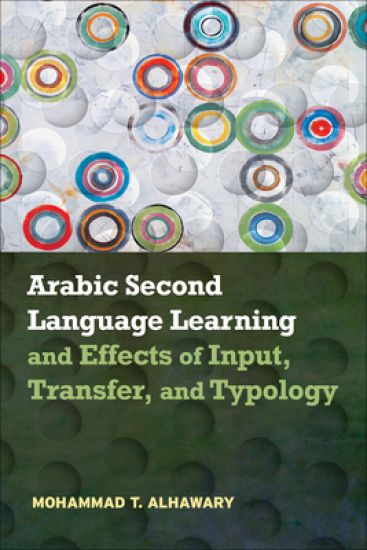
Arabic Second Language Learning and Effects of Input, Transfer, and Typology
Despite the status of Arabic as a global language and the high demand to learn it, the field of Arabic second language acquisition remains underinvestigated. Second language acquisition findings are crucial for informing and advancing the field of Arabic foreign language pedagogy including Arabic language teaching, testing, and syllabus design. Arabic Second Language Learning and Effects of Input, Transfer, and Typology provides data-driven empirical findings for a number of basic and high-frequency morphosyntactic structures with two novel typological language pairings, examining Arabic second language acquisition data from adult L1 Chinese- and Russian-speaking learners of Arabic as a foreign language. Alhawary’s study examines the different processes, hypotheses, and acquisition tendencies from the two learner groups, and documents the extent of the successes and challenges faced by such learners in their L2 Arabic grammatical development during the first three years of learning the language. In addition, the book offers both theoretical and practical implications related to input exposure, L1 and L2 transfer, and typological and structural proximity effects. This book serves as a valuable resource for both second language acquisition experts and foreign language teaching practitioners.
Arabic Second Language Learning and Effects of Input, Transfer, and Typology
Despite the status of Arabic as a global language and the high demand to learn it, the field of Arabic second language acquisition remains underinvestigated. Second language acquisition findings are crucial for informing and advancing the field of Arabic foreign language pedagogy including Arabic language teaching, testing, and syllabus design. Arabic Second Language Learning and Effects of Input, Transfer, and Typology provides data-driven empirical findings for a number of basic and high-frequency morphosyntactic structures with two novel typological language pairings, examining Arabic second language acquisition data from adult L1 Chinese- and Russian-speaking learners of Arabic as a foreign language. Alhawary’s study examines the different processes, hypotheses, and acquisition tendencies from the two learner groups, and documents the extent of the successes and challenges faced by such learners in their L2 Arabic grammatical development during the first three years of learning the language. In addition, the book offers both theoretical and practical implications related to input exposure, L1 and L2 transfer, and typological and structural proximity effects. This book serves as a valuable resource for both second language acquisition experts and foreign language teaching practitioners.
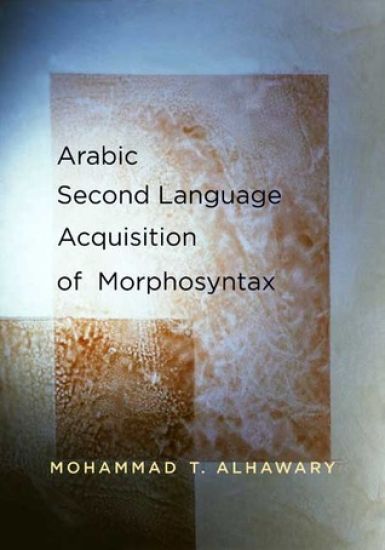
Arabic Second Language Acquisition of Morphosyntax

Arabic Second Language Acquisition of Morphosyntax

Mohammad T. Alhawary

Yale University Press
2009
pokkari
While the demand for Arabic classes and preparation programs for Arabic language teachers has increased, there is a notable gap in the field of linguistic research on learning Arabic as a second language. Arabic Second Language Acquisition of Morphosyntax presents a data-driven and systematic analysis of Arabic language acquisition that responds to this growing need.Based on large data samples collected from longitudinal and cross-sectional studies, this book explores a broad range of structures and acquisition issues. It also introduces new and comprehensive research, and it documents the successes and problems that native speakers of other languages, including English, Spanish, French, and Japanese, are likely to encounter in learning Arabic.By integrating previously published findings with new research, the author has created a unified and streamlined resource for teachers, teachers-in-training, linguists, Arabic textbook authors, and second-language acquisition experts.