Kirjailija
Mór Jókai
Kirjat ja teokset yhdessä paikassa: 157 kirjaa, julkaisuja vuosilta 2008-2026, suosituimpien joukossa Jokai Mor Osszes Muvei V85. Vertaile teosten hintoja ja tarkista saatavuus suomalaisista kirjakaupoista.
Mukana myös kirjoitusasut: Mor Jokai
157 kirjaa
Kirjojen julkaisuhaarukka 2008-2026.


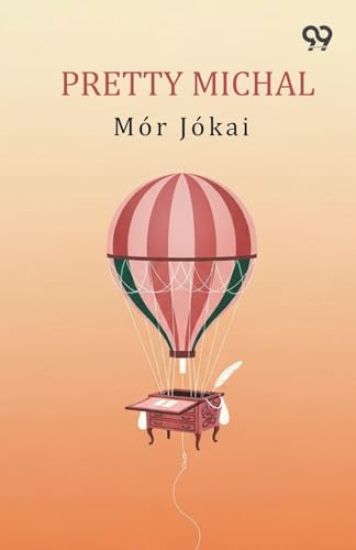
Pretty Michal is a historical romance set against the backdrop of political unrest in Hungary. It follows the life of a young woman raised in a strict and secluded environment under the watchful guidance of her father. Deprived of maternal influence, she is educated in both scientific and domestic matters through unconventional methods, including being given a masculine name to protect her from perceived dangers. As she grows older, her beauty and personality attract romantic attention, leading to unexpected connections and courtship through unusual means such as imaginative exchanges involving symbols and airborne messages. The narrative weaves themes of love, fidelity, and the transformative choices that shape one's path, while the tension between parental caution and youthful desire adds emotional depth. The story explores how personal growth and affection can emerge even within the boundaries of strict upbringing, highlighting the challenges faced when navigating loyalty, passion, and the uncertainties brought on by a turbulent era.


A Hungarian nabob centers on a wealthy landowner and his flamboyant nephew from Paris who arrives seeking his inheritance. Set against the backdrop of Hungary's rainy, rustic countryside, the story begins at a struggling inn where the inn-keeper contemplates his difficult circumstances. Humorous interactions soon arise as the magnate's extravagant demands disrupt the flow of life. The novel explores themes of wealth and power, family loyalty, and the clash between old traditions and modern aspirations. It delves into the eccentricities of aristocratic society, revealing social hierarchies and human foibles. Through vivid characters and dynamic relationships, the narrative addresses ambition, identity, and the tension between public image and private desires. Political intrigues and shifting social landscapes further enrich the story, highlighting cultural conflicts and the questions of honor. This richly textured tale offers a balance of comedy and drama, providing insight into human nature and the complex forces shaping Hungarian society.
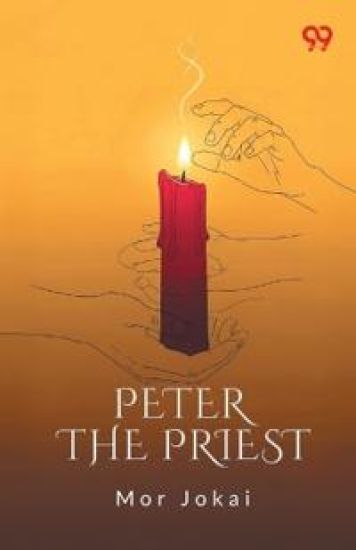
Peter: The priest tells the story of a young novice monk whose steadfast nature is tested when he is chosen to become the tutor of a wayward child from a powerful household. Set against the quiet discipline of monastic life, the narrative soon shifts into a realm of moral tension and emotional complexity. Called beyond the cloister's walls, he must guide the unruly boy while experiencing the subtle yet undeniable pull of the boy's patroness, whose presence hints at temptations he wishes to resist. The monks' initial concerns about sending him reveal both their respect for his resolve and their wariness of the task ahead. As he leaves the monastery, he steps into a world rich with conflicting loyalties, where each encounter forces him to reconcile his duty with personal vulnerability. The novel weaves themes of inner struggle, the fragility of conviction, and the intricate web of human relationships, creating a portrait of faith under pressure and the enduring challenge of moral choice.

The Green BookOr, Freedom Under The Snow A Novel (Edition1)
Mor Jokai
Double 9 Books LLP
2025
nidottu
The green book or Freedom under the snow: A Novel presents a powerful exploration of resilience and the relentless pursuit of freedom amidst political and social turmoil. Set in a land engulfed by snow and conflict, the story unfolds with haunting imagery of a forest storm, where mysterious riders and symbolic traces of blood and roses hint at the blend of suffering and hope that shapes the narrative. The book delves into human endurance and the desire to define identity in a time of oppression and uncertainty. As the story progresses, the intertwined fates of several individuals emerge, each confronting internal and external challenges reflecting broader struggles of power and resistance. Through its atmospheric settings and intricate storytelling, the novel portrays how beauty and pain coexist even in the harshest circumstances. Themes of transformation, destiny, and unyielding human spirit are woven together, creating a deeply emotional and compelling tale that examines how freedom often thrives most fiercely under pressure.

Midst the wild carpathians unfolds in the rugged and untamed landscapes where nobles, officials, and villagers navigate a world brimming with political intrigue and cultural clashes. The story centers on the rise of a humble country squire who ascends to power amidst dark conspiracies threatening noble families. The novel skillfully explores themes of heroism, loyalty, and the collision of civilizations through rich storytelling and vivid character dynamics. The opening scene of a hunting party in dense, wild forests sets the tone with vibrant depictions of the natural environment and the strength of the characters, including a fearless female warrior and courageous youths. A tragic accident during the hunt triggers a cascade of dramatic events, weaving together personal struggles with wider conflict looming on the horizon. The narrative captures the tension of a society caught between past traditions and emerging forces, enveloped in a rich historical tapestry that enhances themes of honor, sacrifice, and resilience.
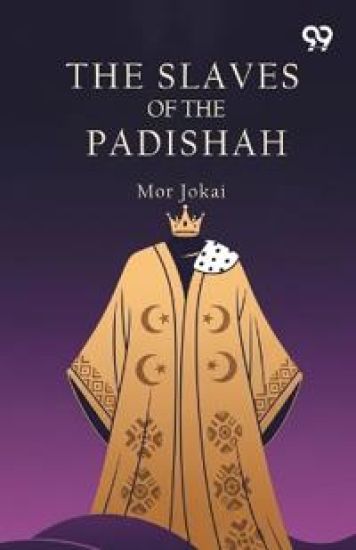
The slaves of the Padishah unfolds in a landscape shaped by political change and cultural conflict, weaving together the destinies of individuals caught between ambition, loyalty, and the shifting power of empires. At its heart is the story of a young man whose quiet life as a future priest is upended when unexpected inheritance thrusts him into wealth and influence. His transformation from modest scholar to reluctant magnate introduces him to a world of grandeur and deception, symbolized by the extravagant palace he builds and the golden gifts that mark his rising status. Yet beneath the richness of his new existence lies unease, as the currents of desire, power, and identity begin to reshape his world. Set against the backdrop of Transylvania's uneasy balance between Hungarian and Ottoman rule, the novel interlaces romantic and political intrigue, revealing how fortune and fate intermingle in a time of uncertainty and splendor. It captures both the beauty and instability of a world defined by ambition and transformation.

Black diamonds: A novel delves into the life of a coal-mine owner who balances personal ambition with the stark realities of his underground world. His solitary search for treasures hidden within the mine symbolizes a deeper internal struggle with isolation and unfulfilled desires. The story contrasts his position with that of a young worker facing hardship and entangled in a troubled engagement, highlighting sharp divides in social class and fate. Themes of love, power, and resilience underpin the narrative, portraying both the harshness of industrial labor and the complex interplay between human relationships in trying circumstances. The rich, atmospheric descriptions of the coal mine environment intensify the mood, reinforcing the emotional and physical challenges characters endure. Simultaneously, the novel critiques the broader social and economic systems that shape life in such a demanding community, capturing the tension between progress and the human cost it exacts. This story skillfully weaves personal and societal struggles into a compelling reflection on endurance and moral conflict.

Halil the pedlar: A tale of old Stambul unfolds in the vibrant, politically charged atmosphere of Ottoman Istanbul, where the daily life of a modest pedlar transforms into a pivotal force of rebellion. Set against a backdrop of rising unrest, the story follows a man of sharp wit and unshakable courage who finds himself swept into a movement challenging the authority of the Sultan. The narrative captures the city's energy - from the colorful bazaars to the tension within the Janissary ranks - where social divisions, power struggles, and personal convictions collide. Early in the tale, a dramatic confrontation with a drunken soldier reveals the protagonist's bravery and moral resolve, foreshadowing his unexpected ascent as a leader in a time of revolution. As the plot deepens, a veiled girl's tragic fate becomes entwined with his, injecting themes of love, loss, and sacrifice. With richly layered scenes and emotionally charged moments, the novel presents a compelling mix of personal and political drama, set in a world where a single act of defiance can shift the course of history.
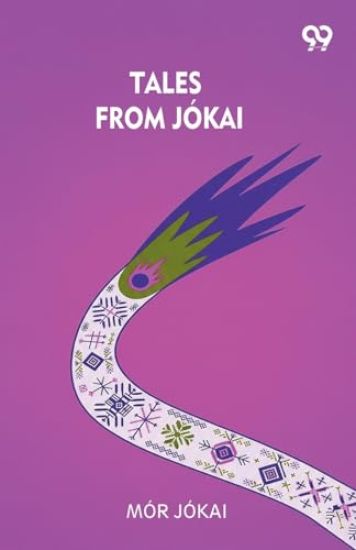
Tales from Jokai is a captivating collection of short stories that captures the richness of Hungarian culture through a blend of fantasy, history, and humor. The anthology presents a variety of narratives that move seamlessly between serious and whimsical tones, each reflecting deep cultural roots and storytelling finesse. One of the opening stories portrays a city struggling against powerful external threats, where courage and communal spirit emerge as defining virtues. Through unexpected twists and supernatural interventions, the narrative explores themes of resilience and divine providence, emphasizing how belief and unity can overcome adversity. The stories are filled with vivid imagery and folkloric influences that bring historical and mythical elements to life. This collection offers a window into a world where the ordinary and the mystical coexist, creating an artistic portrayal of human endurance, imagination, and faith. Each tale serves as a testament to the power of storytelling as both cultural preservation and emotional reflection.
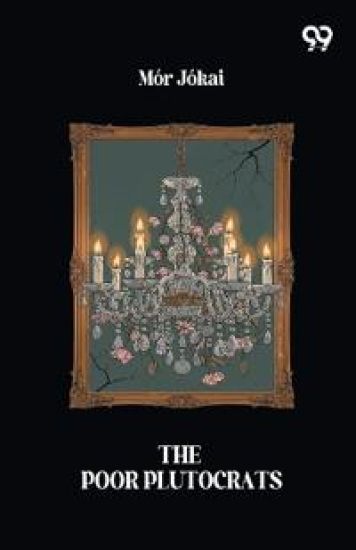
The poor plutocrats delves into the intricate world of a wealthy family torn apart by greed, ego, and emotional decay. At its center is an aging patriarch whose domineering presence shapes the household's every move, fostering resentment and quiet rebellion. The narrative explores how immense wealth, instead of ensuring peace, becomes a source of division and moral erosion. Within this oppressive atmosphere, the younger generation grapples with expectations, regret, and the longing for freedom from the legacy of control that governs their lives. As discussions of inheritance and status take precedence over love and humanity, the family's emotional fragility surfaces through illness, rivalry, and despair. The novel contrasts opulence with emptiness, revealing how material riches can coexist with spiritual poverty. Through its portrayal of domestic conflict and moral struggle, it becomes a reflection on the corrosive power of greed and the enduring search for meaning within a gilded but hollow existence.

The strange story of Rab Raby is a powerful historical narrative that follows a young nobleman determined to challenge the injustices and corruption undermining his homeland. Set in Hungary during a turbulent period of reform and resistance, the novel explores themes of integrity, sacrifice, and the moral struggle between duty and conscience. The story unfolds in a city where deceit and oppression pervade the ruling institutions, and the protagonist's steadfast pursuit of fairness places him at odds with entrenched authorities. As he witnesses the suffering of the common people, his mission becomes both personal and political, driving him to confront those who wield power without accountability. The novel vividly portrays the climate of suspicion, privilege, and resistance, blending individual courage with the broader movement for justice. Through its eloquent depiction of moral conviction and societal transformation, it becomes a timeless reflection on the costs of integrity in a flawed world and the heroism required to demand truth where corruption thrives.