Kirjojen hintavertailu. Mukana 12 657 676 kirjaa ja 12 kauppaa.

Kirjailija

Mrinalini Chakravorty

Kirjat ja teokset yhdessä paikassa: 3 kirjaa, julkaisuja vuosilta 2014-2023, suosituimpien joukossa Spivak Moving. Vertaile teosten hintoja ja tarkista saatavuus suomalaisista kirjakaupoista.

3 kirjaa

Kirjojen julkaisuhaarukka 2014-2023.

Spivak Moving

Spivak Moving

Gayatri Chakrav Spivak; Mrinalini Chakravorty; Surya Parekh; Joe Parker; Herman Rapaport

SEAGULL BOOKS LONDON LTD
2023
nidottu
This collection offers a broad range of Spivak’s recent essays, lectures, and other writings that speak to her groundbreaking work in feminism, deconstruction, Marxism, and subaltern studies. The pieces collected in Spivak Moving touch on a variety of topics, including her crucial thinking on pan-Africanism and W. E. B. DuBois, reproductive heteronormativity, art and film, class apartheid in education, practices of institutional critique, and the training of imaginative activism through a sustained engagement with the humanities. She moves from a look at the unsystematized first languages of continental Africa into a broader consideration of human rights, international civil society practice, the question of terror, the “freedom” of the academic, and the place of the digital. About half the essays are collected here for the first time and are not found in Spivak’s several published essay collections.
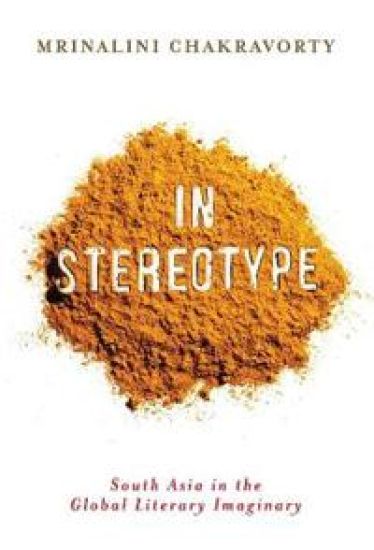
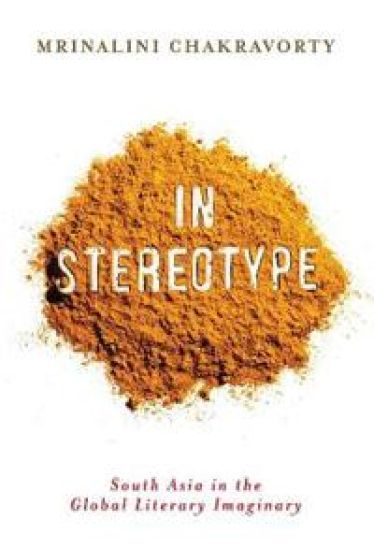
In Stereotype

In Stereotype

Mrinalini Chakravorty

Columbia University Press
2017
pokkari
In Stereotype confronts the importance of cultural stereotypes in shaping the ethics and reach of global literature. Mrinalini Chakravorty focuses on the seductive force and explanatory power of stereotypes in multiple South Asian contexts, whether depicting hunger, crowdedness, filth, slums, death, migrant flight, terror, or outsourcing. She argues that such commonplaces are crucial to defining cultural identity in contemporary literature and shows how the stereotype's ambivalent nature exposes the crises of liberal development in South Asia. In Stereotype considers the influential work of Salman Rushdie, Aravind Adiga, Michael Ondaatje, Monica Ali, Mohsin Hamid, and Chetan Bhagat, among others, to illustrate how stereotypes about South Asia provide insight into the material and psychic investments of contemporary imaginative texts: the colonial novel, the transnational film, and the international best-seller. Probing circumstances that range from the independence of the Indian subcontinent to poverty tourism, civil war, migration, domestic labor, and terrorist radicalism, Chakravorty builds an interpretive lens for reading literary representations of cultural and global difference. In the process, she also reevaluates the fascination with transnational novels and films that manufacture global differences by staging intersubjective encounters between cultures through stereotypes.
In Stereotype

In Stereotype

Mrinalini Chakravorty

Columbia University Press
2014
sidottu
In Stereotype confronts the importance of cultural stereotypes in shaping the ethics and reach of global literature. Mrinalini Chakravorty focuses on the seductive force and explanatory power of stereotypes in multiple South Asian contexts, whether depicting hunger, crowdedness, filth, slums, death, migrant flight, terror, or outsourcing. She argues that such commonplaces are crucial to defining cultural identity in contemporary literature and shows how the stereotype's ambivalent nature exposes the crises of liberal development in South Asia. In Stereotype considers the influential work of Salman Rushdie, Aravind Adiga, Michael Ondaatje, Monica Ali, Mohsin Hamid, and Chetan Bhagat, among others, to illustrate how stereotypes about South Asia provide insight into the material and psychic investments of contemporary imaginative texts: the colonial novel, the transnational film, and the international best-seller. Probing circumstances that range from the independence of the Indian subcontinent to poverty tourism, civil war, migration, domestic labor, and terrorist radicalism, Chakravorty builds an interpretive lens for reading literary representations of cultural and global difference. In the process, she also reevaluates the fascination with transnational novels and films that manufacture global differences by staging intersubjective encounters between cultures through stereotypes.