Kirjojen hintavertailu. Mukana 12 595 353 kirjaa ja 12 kauppaa.
Kirjailija
Multatuli
Kirjat ja teokset yhdessä paikassa: 60 kirjaa, julkaisuja vuosilta 1987-2025, suosituimpien joukossa Max Havelaar: Or the Coffee Auctions of the Dutch Trading Company (1868). Vertaile teosten hintoja ja tarkista saatavuus suomalaisista kirjakaupoista.
"Woutertje Pieterse" (or The History of Walter Pieterse) by Multatuli was his second novel and published posthumously in 1890. It is also the most famous work by the author after "Max Havelaar". The history of Wouter Pieterse appeared as fragments in the Ideas, which also forms an organic whole with it. The story is about a dreamy and poetic msterdam boy, Wouter Pieterse, who grows up in a middle-class environment in the French period . The philistinism of his surroundings and curiosity of Wouter often come into conflict, and forms the main theme of the book. Eduard Douwes Dekker (2 March 1820 - 19 February 1887), better known by his pen name Multatuli (from Latin multa tuli, "I have suffered much"), was a Dutch writer famous for his satirical novel, Max Havelaar (1860), which denounced the abuses of colonialism in the Dutch East Indies (today's Indonesia).
""Indonesia: Once More Free Labor"" is a book written by Multatuli, a Dutch writer and social critic. The book is a collection of essays that criticize the Dutch colonial rule in Indonesia during the 19th century. Multatuli argues that the Dutch exploited the Indonesian people and resources for their own benefit, while suppressing the local culture and language.The book is divided into three parts. The first part is a series of letters to the Dutch King and Parliament, in which Multatuli pleads for the rights of the Indonesian people. He argues that the Dutch should abolish the system of forced labor (known as ""cultuurstelsel"") and allow the Indonesians to work freely for their own benefit.The second part of the book is a series of essays on the Indonesian culture and language. Multatuli argues that the Dutch should respect and preserve the local culture and language, rather than imposing their own language and culture on the Indonesians.The third part of the book is a collection of stories and anecdotes about the Indonesian people and their struggle against the Dutch colonial rule. Multatuli portrays the Indonesians as brave and resilient, despite the oppression they faced.Overall, ""Indonesia: Once More Free Labor"" is a powerful critique of colonialism and a call for social justice and equality. It is a landmark work in Indonesian literature and a must-read for anyone interested in the history of Indonesia and colonialism.This scarce antiquarian book is a facsimile reprint of the old original and may contain some imperfections such as library marks and notations. Because we believe this work is culturally important, we have made it available as part of our commitment for protecting, preserving, and promoting the world's literature in affordable, high quality, modern editions, that are true to their original work.
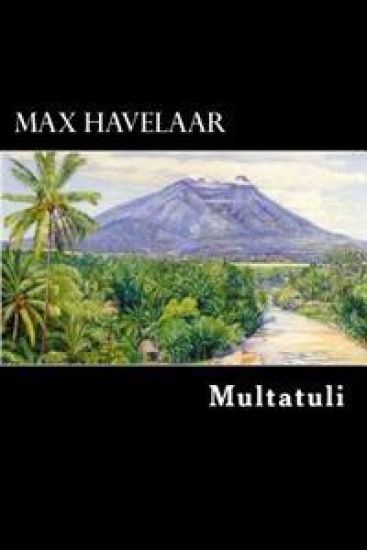
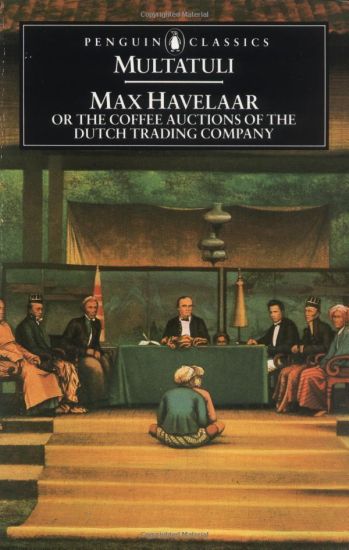
Max Havelaar - a Dutch civil servant in Java - burns with an insatiable desire to end the ill treatment and oppression inflicted on the native peoples by the colonial administration. Max is an inspirational figure, but he is also a flawed idealist whose vow to protect the Javanese from cruelty ends in his own downfall. In Max Havelaar, Multatuli (the pseudonym for Eduard Douwes Dekker) vividly recreated his own experiences in Java and tellingly depicts the hypocrisy of those who gained from the corrupt coffee trade. Sending shockwaves through the Dutch nation when it was published in 1860, this damning exposé of the terrible conditions in the colonies led to welfare reforms in Java and continues to inspire the fairtrade movement today. Roy Edwards's vibrant translation conveys the satirical and innovative style of Multatuli's autobiographical polemic. In his introduction, R. P. Meijer discusses the author's tempestuous life and career, the controversy the novel aroused and its unusual narrative structure.