Kirjojen hintavertailu. Mukana 12 499 503 kirjaa ja 12 kauppaa.
Kirjailija
Munir Ozturk
Kirjat ja teokset yhdessä paikassa: 12 kirjaa, julkaisuja vuosilta 2015-2026, suosituimpien joukossa Climate-Resilient Brassicas. Vertaile teosten hintoja ja tarkista saatavuus suomalaisista kirjakaupoista.
Mulberry (Morus spp.) is widely distributed tree taxon found almost in every continent across the globe. Habitat of this plant species is very much diversified, as it is found across all climatic zones ranging from tropical, sub-tropical, temperate, tundra, semi-arid to desert (arid) conditions. It flourishes on all types of landforms; mountains, valleys, plateaus, forests, grasslands, hills, plains and arid lands. Successful utilization of mulberry leaf for silkworm rearing and production of quality cocoons has been studied at length. Now, mulberry is being recognized as a multipurpose plant by most of the countries across the globe. As mulberry is eco-friendly in nature, the propagation of mulberry needs to be done at large scale to address the ecological issues like conversion of arid lands to cultivable lands, eco-restoration of degraded lands, bioremediation of polluted land sites, conservation of water and soil, cleaning the air pollution in urban areas, utilization of mulberry in producing renewable energy in the form of biodiesel. Similarly, there is the need to produce the identified and highly commercially valued pharmaceutical compounds of mulberry under laboratory conditions through in vitro culture based secondary metabolite production through enhanced expression under the stress conditions or in presence of elicitors. Lately protocols have been developed for genetic transformation of mulberry through agrobacterium mediated and particle bombardment mediated gene transfer techniques. Biotechnology based molecular breeding techniques could also be utilized in raising the improved lines through marker assisted selection, soma clonal variations, mutational breeding, somatic hybridization, genome editing and other genetic engineering approaches. Apart from sericulture; mulberry should also be utilized and exploited in other sectors across the globe for additional revenue generation, for livestock maintenance, for environmental safety and in promoting human health. These diversified aspects of mulberry coupled with its economic importance in revenue generation through sericulture, animal husbandry and industrial products has prompted us to prepare this book. It will present a comprehensive account of mulberry plant under 9 chapter headings: introduction, botanical features, ecological features, ecophysiological aspects, interactions and development, molecular aspects, propagation and production, economic importance, and global perspectives as well as future approaches.
Soil biota is an important and fundamental part of terrestrial ecology. The soil organisms include all those life forms which pass significant proportion of their life within a soil profile. The range of organisms may vary from microscopic entities to a macro level organisms. These organisms are the hidden beauties which take up the task of food chain regulation, organic matter decomposition, and nutrient enrichment of soil. Soil organisms can be grouped into three classes viz; chemical engineers (bacteria,fungi and protozoans), biological regulators (small soil invertebrates like nematodes and mesofauna) and ecosystem engineers (large soil invertebrates and small mammals). These creatures are mainly regulated by certain physical and biological factors. The physicochemical characteristics of soil can determine its biological diversity which influences the regulatory services in an ecosystem. This book showcases the mechanisms of biological dynamics at micro, meso and macro scales of the soil organisms. The introductory chapters of this book focus on understanding the faunistic diversity and its significance in soil, bioindicators in assessment of soil quality, consequences of various stressors on soil, highlighting the eves and odds associated with agricultural industry vis-à-vis environmental pollution and the possible influences on soil biota. Remaining chapters focus on the fungal internet, ecosystem cybernetics, and the potential remedial technologies for soil conservation, and novel remediation strategies to deal with degraded soils.
Salinity is one of the acute problems causing enormous yield loss in many regions of the world. This phenomenon is particularly pronounced in arid and semiarid regions. Halophytes can remove salt from various types of problematic soils due to their unique morphological, physiological and anatomical adaptations to these environments. Halophytes are also used for the treatment of certain diseases but scientific documentation in terms of current phytotherapic applications is deficient in this unique group of plants. Different ethnic groups around the world use medicinal halophytes according to their own beliefs and ancestor’s experiences. However, their knowledge about the use of salt tolerant medicinal plants is usually confined to their own community. There is thus a knowledge gap on halophytes which should be bridged and preserved. This book provides a comprehensive account on the distribution of halophytes, their ethnobotanical and medicinal aspects, economic importance, and chemical constituents along with scientific description. The book therefore serves as a valuable resource for professionals and researchers working in the fields of plant stress biology and ethnobotanical aspects.
Mulberry (Morus spp.) is widely distributed tree taxon found almost in every continent across the globe. Habitat of this plant species is very much diversified, as it is found across all climatic zones ranging from tropical, sub-tropical, temperate, tundra, semi-arid to desert (arid) conditions. It flourishes on all types of landforms; mountains, valleys, plateaus, forests, grasslands, hills, plains and arid lands. Successful utilization of mulberry leaf for silkworm rearing and production of quality cocoons has been studied at length. Now, mulberry is being recognized as a multipurpose plant by most of the countries across the globe. As mulberry is eco-friendly in nature, the propagation of mulberry needs to be done at large scale to address the ecological issues like conversion of arid lands to cultivable lands, eco-restoration of degraded lands, bioremediation of polluted land sites, conservation of water and soil, cleaning the air pollution in urban areas, utilization of mulberry in producing renewable energy in the form of biodiesel. Similarly, there is the need to produce the identified and highly commercially valued pharmaceutical compounds of mulberry under laboratory conditions through in vitro culture based secondary metabolite production through enhanced expression under the stress conditions or in presence of elicitors. Lately protocols have been developed for genetic transformation of mulberry through agrobacterium mediated and particle bombardment mediated gene transfer techniques. Biotechnology based molecular breeding techniques could also be utilized in raising the improved lines through marker assisted selection, soma clonal variations, mutational breeding, somatic hybridization, genome editing and other genetic engineering approaches. Apart from sericulture; mulberry should also be utilized and exploited in other sectors across the globe for additional revenue generation, for livestock maintenance, for environmental safety and in promoting human health. These diversified aspects of mulberry coupled with its economic importance in revenue generation through sericulture, animal husbandry and industrial products has prompted us to prepare this book. It will present a comprehensive account of mulberry plant under 9 chapter headings: introduction, botanical features, ecological features, ecophysiological aspects, interactions and development, molecular aspects, propagation and production, economic importance, and global perspectives as well as future approaches.
Most imperative environmental concerns are Cultural eutrophication pertaining to industrialization and urbanization which lead to proliferation of weeds in aquatic environs disturbing these ecosystems. Alarming increase in CO2, CH4, CFC’s, N2O and water vapour in the atmosphere cause enhanced greenhouse effect, among all these CO2 is accountable for 55-60 % of total enhanced effect. Phyto- and Nutrient sequestration via plants helps storage of atmospheric CO2 in the vegetation to get rid of contaminants. Carbon and nutrient sequestration can be braided together for sustainable development goals. The chapters adopt the hierarchy as follows: significance of quality environs, quantification and bio-monitoring of culprit contaminants, the issues relevant to global warming and accelerated eutrophication and their ecological impacts followed by various sequestration technologies.
Salinity is one of the acute problems causing enormous yield loss in many regions of the world. This phenomenon is particularly pronounced in arid and semiarid regions. Halophytes can remove salt from various types of problematic soils due to their unique morphological, physiological and anatomical adaptations to these environments. Halophytes are also used for the treatment of certain diseases but scientific documentation in terms of current phytotherapic applications is deficient in this unique group of plants. Different ethnic groups around the world use medicinal halophytes according to their own beliefs and ancestor’s experiences. However, their knowledge about the use of salt tolerant medicinal plants is usually confined to their own community. There is thus a knowledge gap on halophytes which should be bridged and preserved. This book provides a comprehensive account on the distribution of halophytes, their ethnobotanical and medicinal aspects, economic importance, and chemical constituents along with scientific description. The book therefore serves as a valuable resource for professionals and researchers working in the fields of plant stress biology and ethnobotanical aspects.
Medicinal flora plays an important role in health care systems across the world. Out of the half million flowering plants, around 50.000 species are valued for their therapeutic properties. During the last few decades, 20% of the world’s population used plants and/or their derived products as a source of medicine. WHO stated that 80% population around the globe, specifically the rural communities, depend on medicinal plants for their basic healthcare needs. To this end, plant-based phytochemicals are known to have hepato-protective, anti-carcinogenic, anti-allergic, anti-inflammatory, antimicrobial, antioxidant actions. This book is a guide to ~280 plant species of medicinal flora that demonstrates global relevance. Our goal is to share local knowledge about phytomedicines to a worldwide audience. It is an illustrated reference that documents and preserves the existing knowledge on these plant taxa, with a social and cultural (ethnobotanical) emphasis. This book also provides comprehensive and useful information about traditional uses of medicinal plants by the local communities for the treatment of various prevalent diseases. It contains comprehensive descriptions of each species including family, synonyms, English name, distribution, altitude, habitat, morphological description, life form, part used, mode of utilization, diseases category, recipes, other medicinal uses, phytochemical activity and toxicity.
Medicinal flora plays an important role in health care systems across the world. Out of the half million flowering plants, around 50.000 species are valued for their therapeutic properties. During the last few decades, 20% of the world’s population used plants and/or their derived products as a source of medicine. WHO stated that 80% population around the globe, specifically the rural communities, depend on medicinal plants for their basic healthcare needs. To this end, plant-based phytochemicals are known to have hepato-protective, anti-carcinogenic, anti-allergic, anti-inflammatory, antimicrobial, antioxidant actions. This book is a guide to ~280 plant species of medicinal flora that demonstrates global relevance. Our goal is to share local knowledge about phytomedicines to a worldwide audience. It is an illustrated reference that documents and preserves the existing knowledge on these plant taxa, with a social and cultural (ethnobotanical) emphasis. This book also provides comprehensive and useful information about traditional uses of medicinal plants by the local communities for the treatment of various prevalent diseases. It contains comprehensive descriptions of each species including family, synonyms, English name, distribution, altitude, habitat, morphological description, life form, part used, mode of utilization, diseases category, recipes, other medicinal uses, phytochemical activity and toxicity.
Licorice (Glycyrrhiza) is one of the most widely used in foods, herbal medicine and one of the extensively researched medicinal plants of the world. In traditional medicine licorice roots have been used against treating many ailments including lung diseases, arthritis, kidney diseases, eczema, heart diseases, gastric ulcer, low blood pressure, allergies, liver toxicity, and certain microbial infections. Licorice extract contains sugars, starch, bitters, resins, essential oils, tannins, inorganic salts and low levels of nitrogenous constituents such as proteins, individual amino acids, and nucleic acids. A large number of biologically active compounds have been isolated from Glycyrrhiza species, where triterpene, saponins and flavonoids are the main constitutes which show broad biological activities.The present book will discuss the botany, the commercial interests as well as the recent studies on the phytochemistry and pharmacology of licorice. It will also describe the side effects and toxicity of licorice and its bioactive components, an underrepresented subjects of importance.It will be the first book to present global perspectives of licorice in detail. It will serve as a carefully researched introduction for students, healthcare practitioners, botanists and plant biochemists; full of historical background and bridges the gap between botany, ecology, pharmacology, as well as treatment of diseases.
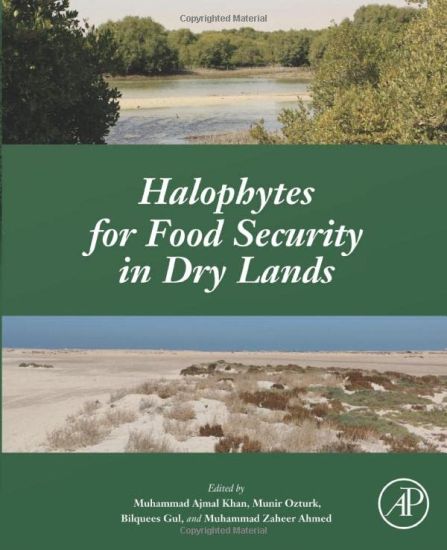
Halophytes for Food Security in Dry Lands addresses the concerns surrounding global food scarcity, especially focusing on those living in arid and dry lands The book touches on food crises in dry regions of the world and proposes halophytes as an alternate source of consumption for such areas. Halophytes, those plants that thrive in saline soil and provide either food source options themselves, or positively enhance an eco-system’s ability to produce food, and are thus an important and increasingly recognized option for addressing the needs of the nearly 1/6 of the world’s population that lives in these arid and semi-arid climates. Including presentations from the 2014 International Conference on Halophytes for Food Security in Dry Lands, this book features insights from the leading researchers in the subject. It is a valuable resource that includes information on the nutritional value of halophytes, their genetic basis and potential enhancement, adaption of halophytes, and lessons learned thus far.